
Dog, Puppy in New Zealand Sign Language (NZSL)
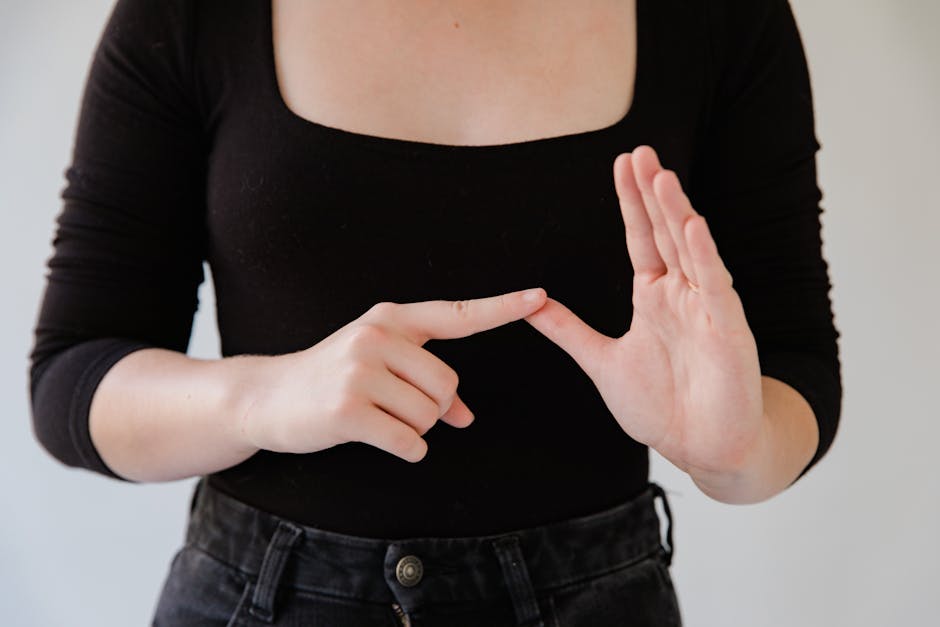
The sign for “dogpuppykurī” in NZSL refers to a dog or puppy, and it’s commonly used in everyday conversations within the Deaf community. This sign can be seen in various contexts, such as discussing pets, animals, or even in storytelling. It’s a lively sign that often brings a smile to faces when talking about our furry friends.
Table of Contents
How to Sign “Dogpuppykurī” in NZSL
- Start with your dominant hand in a flat ‘B‘ shape, palm facing down.
- Position your hand near your waist, as if you are mimicking a dog’s body.
- Make a gentle, forward motion with your hand, mimicking the movement of a dog walking or wagging its tail.
- Facial expressions are important! Smile and perhaps raise your eyebrows slightly to convey excitement or joy.
Common Mistakes
- Some learners might forget to use appropriate facial expressions, which are crucial for conveying emotion in NZSL.
- Using the wrong hand shape, such as a fist, instead of the flat ‘B‘ shape can lead to confusion.
- Not positioning the hand at the correct height can make the sign less clear to viewers.
NZSL vs ASL
In NZSL, “dogpuppykurī” is signed with a distinct movement and hand shape that may differ from the American Sign Language (ASL) sign for “dog.” While ASL often uses a different handshape and may incorporate more fingerspelling, NZSL focuses on the movement that mimics a dog walking, highlighting its cultural significance and connection to everyday life in New Zealand.
Related Signs
- (Baby’s) Dummy – A sign for a pacifier commonly used for infants.
- (Be) Careful – A sign used to advise caution or care.
- (Be) Born, (Give) Birth – A sign relating to childbirth and new life.
- (All Of) You – A sign used to refer to a group of people.
- (Be) Passive – A sign to describe a passive state or action.
Frequently Asked Questions
How can I use “dogpuppykurī” in a sentence?
You could say, “I have a dogpuppykurī,” by signing “I HAVE dogpuppykurī.” This helps to contextualize the sign within your conversation.
Are there regional variations of this sign in NZ?
While “dogpuppykurī” is widely understood, some regional signs may exist, particularly in rural areas where dialects can influence the local NZSL.
What are some similar signs to “dogpuppykurī”?
Related signs might include “cat” or “pet,” which can also be used in discussions about animals.
What tips do you have for learning this sign?
Practice in front of a mirror to see your hand shape and movement. Also, try to use it in conversations to reinforce learning.
Can I use “dogpuppykurī” when talking about other animals?
This sign specifically refers to dogs and puppies. For other animals, different signs would be more appropriate.
What is the importance of facial expressions in NZSL?
Facial expressions add meaning and emotion to signs, making them clearer and more engaging for the viewer.
Practice This Sign
Try signing DogpuppykurīNoun with your camera and get AI coaching on your handshape, movement, and location.
Free · No signup required