
Deter in New Zealand Sign Language (NZSL)
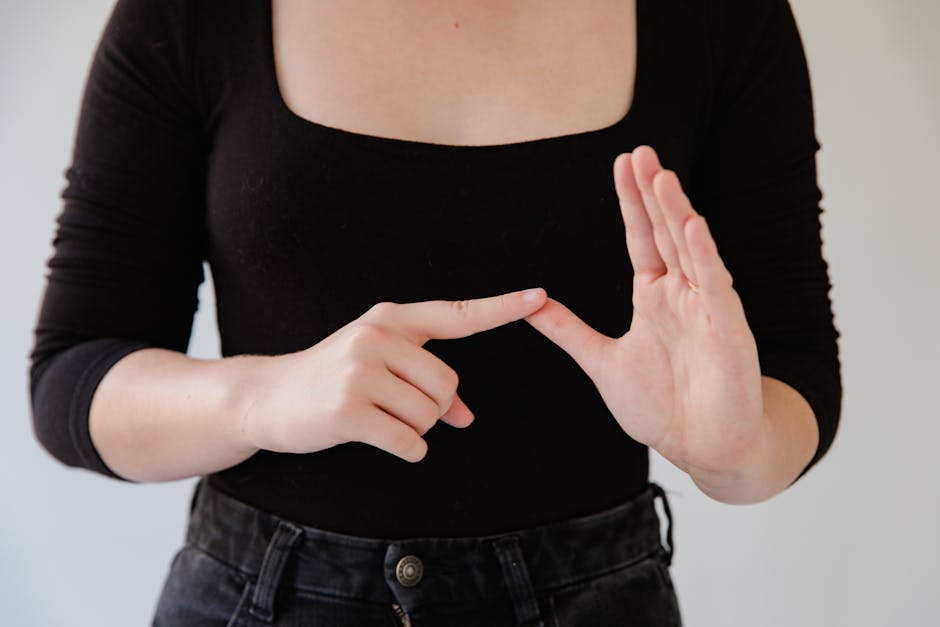
The NZSL sign for “determined,” “firm,” or “stubborn” conveys a strong sense of resolve and commitment. This sign is often used to express a person’s steadfastness in making decisions or sticking to their beliefs, and it resonates deeply within the Deaf community, where determination is valued in overcoming challenges.
Table of Contents
How to Sign “Determined, Firm, Stubbornmake Up One’s Mind, Obstinate, Pig-Headed, Resolved, Set One’s Mind To, StrictpūKeke, Upoko MāRōAdjective; Verb” in NZSL
- Start with your dominant hand in a fist shape, with your thumb resting along the side of your index finger.
- Position your hand in front of your chest, with your palm facing towards you.
- Move your fist forward slightly while maintaining the shape, as if pushing through an invisible barrier.
- Incorporate a facial expression that shows determination, such as narrowing your eyes or setting your jaw.
Common Mistakes
One common mistake is using an open hand instead of a fist, which can change the meaning of the sign. Another error is not incorporating the facial expression of determination, which is crucial for conveying the right context. Learners sometimes also confuse this sign with related signs that express different levels of stubbornness or resolve.
NZSL vs ASL
In NZSL, this sign focuses on the hand shape and a forward movement to convey determination. In contrast, ASL uses a different handshape and movement pattern, reflecting the unique characteristics of each sign language. Understanding these differences helps learners appreciate the nuances of NZSL.
Related Signs
- Determined – More focused on the sense of purpose.
- Resolve – Emphasizes the act of making a decision.
- Stubborn – Highlights the aspect of unwillingness to change one’s mind.
- Firm – Indicates a strong stance without wavering.
Frequently Asked Questions
How can I use this sign in a sentence?
You can use it in sentences like “I am determined to succeed” by signing “I DETERMINED SUCCEED.”
Are there regional variations for this sign in New Zealand?
While the sign is generally consistent, some regions may have slight variations in hand movement or expression based on local Deaf culture.
What are some signs that are similar to this one?
Signs such as “stubborn” and “firm” share related meanings, so it’s important to understand their subtle differences.
What tips do you have for learning this sign?
Practice in front of a mirror to check your hand shape and facial expression, and try to use it in conversations with Deaf friends to reinforce your learning.
Is this sign commonly used in everyday conversations?
Yes, expressing determination is a common theme in discussions, especially in goal-setting or when sharing personal stories.
Can this sign be used in formal settings?
Absolutely! It can be effectively used in presentations or discussions to convey a strong stance or commitment.
Practice This Sign
Try signing Determined, Firm, Stubbornmake Up One's Mind, Obstinate, Pig-Headed, Resolved, Set One's Mind To, StrictpūKeke, Upoko MāRōAdjective; Verb with your camera and get AI coaching on your handshape, movement, and location.
Free · No signup required