
Dog in New Zealand Sign Language (NZSL)
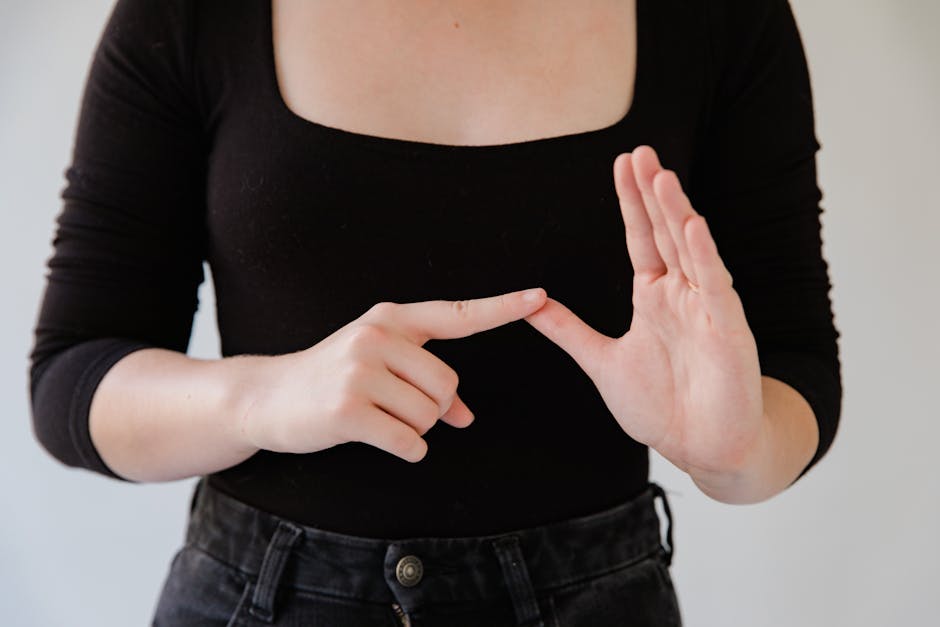
The sign for “dogkurīnoun” in NZSL refers to a dog, a beloved pet and companion for many in the Deaf community. This sign is commonly used in various contexts, such as discussing pets, animal care, or when meeting someone’s dog. It’s a friendly and engaging sign that reflects the connection many people have with their canine friends.
Table of Contents
How to Sign “DogkurīNoun” in NZSL
- Start with your dominant hand in a flat handshape, fingers together.
- Position your hand at the side of your head, with the palm facing downwards.
- Make a small circular motion with your hand, resembling a playful gesture.
- Maintain a cheerful facial expression to convey friendliness and warmth.
Common Mistakes
- Forgetting to use a playful circular motion, which can make the sign feel less engaging.
- Using the wrong handshape; ensure your fingers are together and flat.
- Neglecting facial expressions, which are important in conveying the right emotion in NZSL.
NZSL vs ASL
The sign for “dog” differs between NZSL and ASL. In ASL, the sign involves a different handshape and movement, often resembling the action of a dog wagging its tail. NZSL emphasizes a more playful motion, reflecting the lively nature of dogs in a way that resonates with New Zealand culture.
Related Signs
- Pet – Refers to any domesticated animal kept for companionship.
- Cat – The sign for this popular pet, often used in contrast with “dog.”
- Walk – Useful when discussing taking a dog for a walk.
- Friend – Reflects the companionship that dogs provide.
- Animal – A broader term that can be used in various contexts.
Frequently Asked Questions
Can I use “dogkurīnoun” in a sentence?
Yes! You can use it in sentences like “I have a dogkurīnoun” by incorporating it into your everyday conversations.
Are there regional variations for this sign in New Zealand?
While the sign is generally consistent across New Zealand, some regions may have slight variations in movement or expression.
What signs are similar to “dogkurīnoun”?
Related signs include “pet” and “cat,” which are useful for discussing pets in general.
Any tips for learning this sign effectively?
Practice in front of a mirror to ensure your handshape and movements are accurate, and don’t forget to include your facial expressions!
How can I incorporate this sign into my daily life?
Use “dogkurīnoun” when talking about your pets, sharing stories about dogs, or when meeting new furry friends!
Is “dogkurīnoun” influenced by te reo Māori?
While this sign is distinct, it reflects the cultural connections and influence of New Zealand’s diverse languages, including te reo Māori.
Practice This Sign
Try signing DogkurīNoun with your camera and get AI coaching on your handshape, movement, and location.
Free · No signup required