
Clever in New Zealand Sign Language (NZSL)
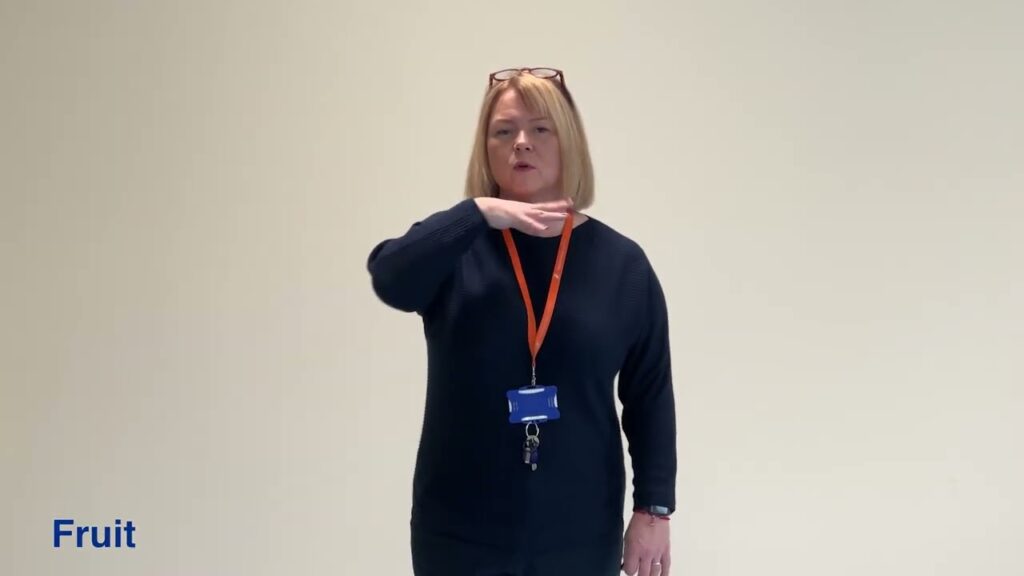
The sign for “clever” in NZSL is used to describe someone who is intelligent, quick-witted, or resourceful. This sign is commonly used in educational settings, conversations about problem-solving, or when praising someone’s abilities. It reflects the values of the New Zealand Deaf community, where cleverness and creativity are highly regarded.
Table of Contents
How to Sign “Clever” in NZSL
- Start with your dominant hand in a flat handshape (the palm facing downwards).
- Position your hand near your forehead, with your fingers pointing towards your temple.
- Move your hand slightly forward and downwards in a gentle, smooth motion.
- Maintain a facial expression that conveys positivity or admiration, as facial expressions are an important aspect of NZSL.
Common Mistakes
- Using the wrong handshape; remember to keep the dominant hand flat.
- Not moving the hand forward enough, which can make the sign unclear.
- Neglecting facial expressions, which can change the meaning or intensity of the sign.
NZSL vs ASL
In ASL, the sign for “clever” may use a different handshape and movement compared to NZSL. While NZSL incorporates unique elements influenced by both BSL and te reo Māori, ASL has its own distinct signs and regional variations that do not directly translate to NZSL.
Related Signs
- (Be) Careful – Used to advise caution.
- (All Of) You – A sign for addressing a group.
- (Be) Passive – Describing a state of being.
Using “Clever” in Everyday Conversations
Incorporating the sign “Clever” into your everyday conversations can enhance communication and express admiration for someone’s intelligence or skill. Here are a few example sentences where this sign naturally fits:
- “My friend clever is.” (My friend is clever.) — This can be used when talking about a friend who has solved a difficult problem or completed a challenging task.
- “Child clever, learn fast.” (The child is clever and learns quickly.) — This sentence might come up in discussions about children’s progress at school or in extracurricular activities.
- “That idea clever, good for business.” (That idea is clever and good for business.) — Use this when discussing innovative ideas in a workplace or entrepreneurial setting.
Cultural Notes
The sign for “Clever” carries significance within the New Zealand Deaf community, reflecting a celebration of intelligence and creativity. In NZSL, this sign is often accompanied by facial expressions that add depth to the sentiment being conveyed. Recognizing NZSL as an official language of New Zealand since 2006 has empowered the Deaf community, fostering greater visibility and appreciation for their culture and language.
Moreover, there are connections between NZSL and te reo Māori, the language of the indigenous Māori people of New Zealand. This relationship highlights the importance of cultural identity and expression within the broader context of New Zealand society. Variations in signing may exist regionally, with some signs reflecting local cultural nuances or preferences.
Tips for Learning This Sign
Practicing the sign for “Clever” can be both fun and rewarding. Here are some effective tips to help you learn and remember it:
- Mirror Practice: Stand in front of a mirror while signing. This allows you to check your form and ensure your facial expressions match the meaning of the sign.
- Pay Attention to Facial Expressions: The meaning of signs in NZSL can be enhanced by facial expressions. Practice signing “Clever” while using expressions that convey admiration or excitement.
- Incorporate it into Short Sentences: Use the sign in simple sentences during practice. This helps reinforce your understanding and makes it easier to remember the sign in a conversational context.
Regularly using “Clever” in various contexts will help solidify your learning and make conversations more engaging!
Frequently Asked Questions
How can I use “clever” in a sentence?
You might say, “She is very clever!” by signing “SHE CLEVER”.
Are there regional variations for this sign in New Zealand?
While the sign is generally consistent, some regions may have slight variations in movement or emphasis.
What are some similar signs to “clever”?
Signs like “smart” or “intelligent” convey similar meanings and can be used interchangeably in some contexts.
Do facial expressions matter when signing “clever”?
Yes, facial expressions add context and emotional depth, reinforcing the meaning of the sign.
What tips do you have for learning this sign?
Practice in front of a mirror to ensure handshape and movement are correct, and pay attention to facial expressions.
Can I use this sign in formal settings?
Absolutely! “Clever” is appropriate in both casual and formal conversations.
Practice This Sign
Try signing Clever with your camera and get AI coaching on your handshape, movement, and location.
Free · No signup required