
Backline (noun) in New Zealand Sign Language (NZSL)
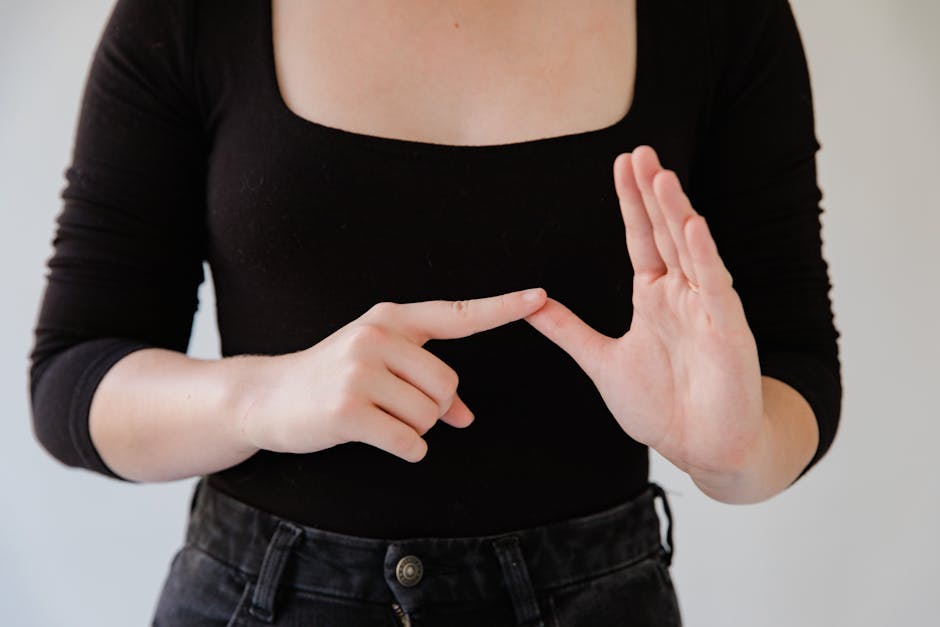
The sign “backlinebackspou murinoun” is used in the New Zealand Deaf community to refer to a specific concept or term that may not have a direct translation in English. It’s commonly used in various contexts, often in discussions around relationships or identity. Understanding this sign can deepen connections within the community and enhance communication.
Table of Contents
How to Sign “Backlinebackspou Murinoun” in NZSL
- Start with your dominant hand in a flat shape (like a ‘B’ handshape) facing forward.
- Position your hand at the side of your head, near your ear.
- Move your hand slightly away from your head while maintaining the flat shape.
- As you perform the movement, incorporate a subtle facial expression that conveys the meaning or context of the sign.
Common Mistakes
- Forgetting to maintain the correct handshape, which can alter the meaning.
- Not moving the hand away from the head, which can result in a misunderstanding of the sign.
- Neglecting facial expressions, which are essential in NZSL for conveying emotion and context.
NZSL vs ASL
In NZSL, the sign for “backlinebackspou murinoun” may differ significantly from American Sign Language (ASL). While ASL uses different handshapes and movements for similar concepts, NZSL incorporates unique signs influenced by cultural elements, including te reo Māori influences, making it distinct in both form and meaning.
Related Signs
- (All Of) You – A sign used to refer inclusively to a group.
- (Baby’s) Dummy – This sign refers to a pacifier or teething device for infants.
- (Be) Careful – A sign used to convey caution or carefulness.
Frequently Asked Questions
Can you use “backlinebackspou murinoun” in a sentence?
Yes! For example, you can integrate it into a sentence about relationships, expressing identity or connection.
Are there regional variations for this sign across New Zealand?
While the core sign remains the same, there may be slight variations in hand movement or facial expressions based on different regions.
What is a similar sign in NZSL?
A similar sign could be the one for “identity,” which emphasizes personal connections.
What tips do you have for learning this sign?
Practice in front of a mirror to check your handshape and facial expressions. Engage with the Deaf community for feedback.
Does this sign have a cultural significance?
Yes, it reflects aspects of identity and community values, which are vital in the New Zealand Deaf culture.
Is this sign used in formal settings?
Yes, it can be used in both casual and formal contexts, especially when discussing topics related to identity.
Practice This Sign
Try signing Backlinebackspou Murinoun with your camera and get AI coaching on your handshape, movement, and location.
Free · No signup required