
(baby’s) Dummy in New Zealand Sign Language (NZSL)
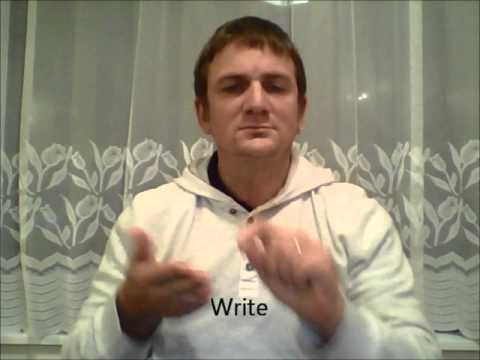
The sign for “(baby’s) dummy” in NZSL refers to a pacifier or soother used for infants. It’s commonly used in conversations about babies, parenting, and childcare. This sign is an essential part of everyday discussions in the Deaf community, especially among parents and caregivers.
Table of Contents
How to Sign “(Baby’s) Dummy” in NZSL
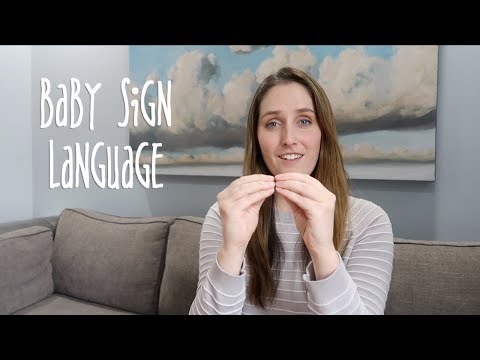
- Start with your dominant hand in a flat ‘B’ shape, fingers together and palm facing down.
- Place your hand near your mouth, mimicking the action of placing a dummy in a baby’s mouth.
- Move your hand slightly forward and away from your mouth, as if you are gently pulling the dummy out.
- Maintain a neutral facial expression or a gentle smile to convey a caring context.
Common Mistakes
- Forgetting to use the flat ‘B’ handshape, which can lead to confusion with other signs.
- Not using facial expressions that match the context, which may make the sign less clear.
- Using too much movement or an exaggerated motion, which may distract from the sign’s meaning.
NZSL vs ASL
In NZSL, the sign for “(baby’s) dummy” is performed with a flat handshape and a movement that mimics placing the dummy in a baby’s mouth. In contrast, ASL uses a different handshape and movement, which may not include the same facial expressions. Understanding these differences highlights the unique features of NZSL as an official language of New Zealand.
Related Signs
- (Baby’s) Dummy/Pacifier – A similar sign referring to the same object.
- (Be) Born, (Give) Birth – Related to the context of babies and parenting.
- (Be) Careful – Useful when discussing safety for infants.
- (All Of) You – Engaging with a group of caregivers.
Frequently Asked Questions
How can I use this sign in a sentence?
You might say, “The baby needs his dummy,” which can be signed as “Baby dummy need.” Remember to use appropriate facial expressions to convey the context.
Are there any regional variations for this sign in New Zealand?
While the sign is generally consistent across New Zealand, some regions may have slight variations in movement or facial expressions based on local Deaf culture.
What is a similar sign that I should learn?
The sign for “(Baby’s) Dummy” is directly related, as it covers the same object but may differ in regional usage.
What are some tips for learning this sign?
Practice in front of a mirror to see your handshape and facial expressions. Watching native signers can also help you pick up nuances.
Can I use this sign with hearing people?
Yes! Many hearing parents of Deaf children learn NZSL, so using this sign can help communicate effectively about infants.
How do I teach this sign to children?
Use playful gestures and encourage repetition. Associating the sign with the action of using a dummy can make it easier for them to remember.
Is there a sign for “baby” that complements this sign?
Yes, there is a sign for “baby,” which you can use in conjunction with the sign for “(baby’s) dummy” to create full sentences about caring for infants.
Practice This Sign
Try signing (Baby's) Dummy with your camera and get AI coaching on your handshape, movement, and location.
Free · No signup required