
(Be) Born, (Give) Birth (noun) in New Zealand Sign Language (NZSL)
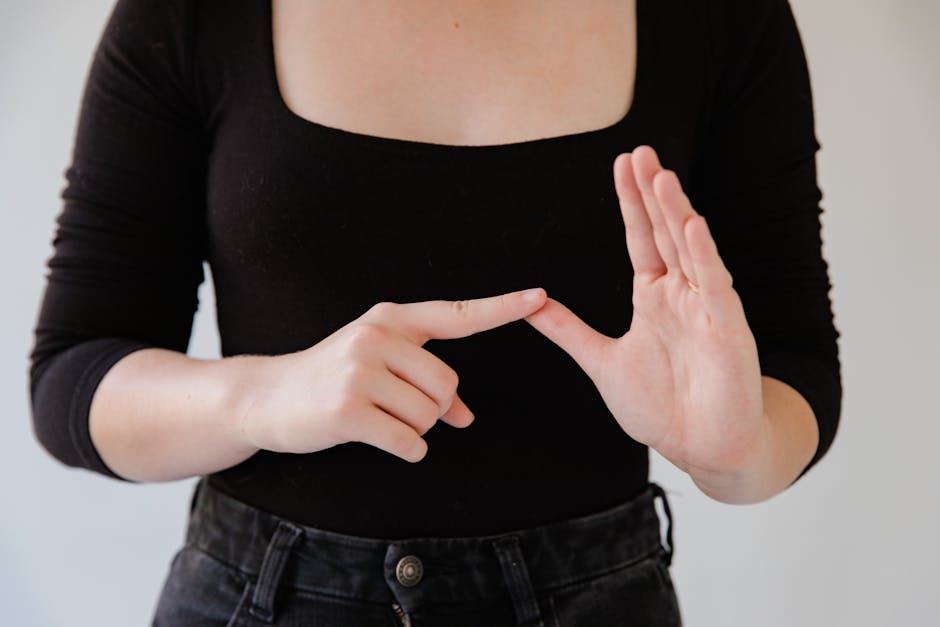
The sign for “(be) born, (give) birthdelivery (birth), have a baby” is an essential part of conversations within the NZ Deaf community, often used when discussing family, children, or pregnancy. This sign captures a significant life event and is used in both casual and formal contexts. Understanding this sign can deepen connections and conversations around family and identity.
Table of Contents
How to Sign “(Be) Born, (Give) Birthdelivery (Birth), Have A BabywhāNaunoun; Verb” in NZSL
- Start with your dominant hand in a flat hand shape (like a “B” handshape).
- Position your hand at the side of your chest, palm facing inward.
- Move your hand outward and slightly down, as if representing the act of something being released or emerging.
- As you sign, use a facial expression that conveys warmth and joy, reflecting the significance of birth.
Common Mistakes
- Forgetting to use facial expressions, which are important in NZSL for conveying emotions.
- Using an incorrect hand shape; ensure your hand is flat and in the right position.
- Rushing the movement; take your time to make the sign clear and expressive.
NZSL vs ASL
In NZSL, the sign for “(be) born, (give) birth” involves a flat hand moving outward from the chest, while in ASL, the sign is often represented with a different hand shape and movement. This reflects the unique features of NZSL, influenced by local culture and language, including te reo Māori.
Related Signs
- (Baby’s) Dummy – The sign for a baby’s pacifier.
- (Be) Careful – A sign to remind someone to be cautious.
- (All Of) You – A sign for addressing a group of people.
- (All Of) Youyou Allkoutou (Katoa)Pronoun – Another version for addressing a group, including inclusivity.
Frequently Asked Questions
How do I use this sign in a sentence?
You can use the sign in phrases like “I was born in New Zealand” or “She gave birth to a baby.” Incorporate facial expressions to convey emotion.
Are there regional variations of this sign across New Zealand?
While the core sign remains consistent, some regions may have slight variations in movement or facial expression. It’s good to observe and learn from local signers.
Are there similar signs in NZSL?
Yes, similar signs include those for “pregnant” and “family.” Each has its unique movement and facial expression.
What tips do you have for learning this sign?
Practice in front of a mirror to check your handshape and movements. Also, try to incorporate the sign into conversations to become more comfortable with it.
Can I use this sign when talking about adoption?
Yes, this sign can also be used in discussions about adoption, as it represents the broader concept of bringing a child into a family.
Is this sign culturally significant in the Deaf community?
Absolutely! Birth and family are central to many Deaf narratives, and using the correct sign fosters understanding and connection.
Practice This Sign
Try signing (Be) Born, (Give) Birthdelivery (Birth), Have A BabywhāNaunoun; Verb with your camera and get AI coaching on your handshape, movement, and location.
Free · No signup required