
(Be) Born, (Give) Birth (verb) in New Zealand Sign Language (NZSL)
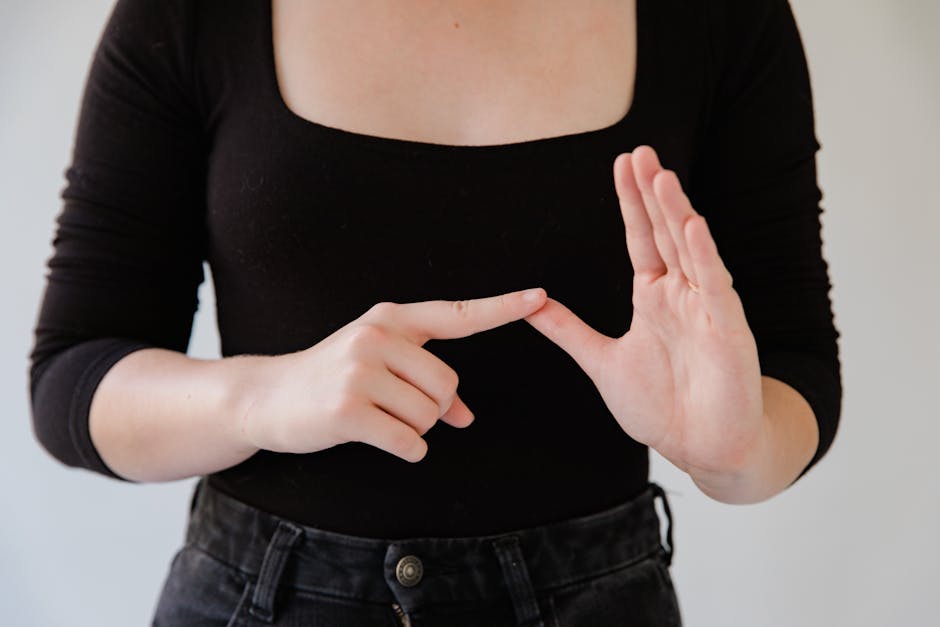
The sign for “(be) born, (give) birthdelivery (birth), have a babywhānauverb” is used in various contexts, such as discussing the arrival of a new child into a family or community. This sign is significant in the Deaf community, reflecting the importance of family and whānau, and is often used in conversations about parenting, family planning, and birthing experiences.
Table of Contents
How to Sign “(Be) Born, (Give) Birthdelivery (Birth), Have A BabywhāNauverb” in NZSL
- Start with your dominant hand in a flat “B” handshape (palm facing down).
- Place your hand just above your chest, representing the idea of a baby being inside the body.
- Move your hand downward in a gentle motion, indicating the action of birth as if the baby is coming out.
- At the end of the movement, open your hand to show that the baby is now in the world, and raise your eyebrows to indicate the significance of the moment.
Common Mistakes
- Using the wrong handshape—ensure you use a flat “B” handshape rather than a fist.
- Not including the facial expressions that convey the importance of the action; remember to raise your eyebrows to show excitement or significance.
- Moving your hand too quickly; the motion should be smooth and gentle to represent the delicate nature of birth.
NZSL vs ASL
In NZSL, the sign for “(be) born, (give) birthdelivery (birth), have a babywhānauverb” emphasizes the act of birth with a distinct downward motion, whereas in ASL, the sign may involve different handshapes and movements. While both languages share some similarities due to historical influences, each has its unique signs that reflect cultural contexts.
Related Signs
- (Baby’s) Dummy – the sign for a baby’s pacifier.
- (Be) Careful – a sign often used in parenting contexts to advise caution.
- (All Of) You – can be used when discussing family or groups.
- (Be) Passive – sometimes relevant in discussions about parenting dynamics.
- (Be) Born, (Give) Birth – a direct relation to the current sign.
Frequently Asked Questions
How do I use this sign in a sentence?
You can use this sign in a sentence like: “I was born in New Zealand,” by signing “I (be) born (NZ).” Make sure to include facial expressions to convey your message accurately.
Are there regional variations of this sign in New Zealand?
While the core sign remains consistent, some regions may have slight variations in hand movements or facial expressions. It’s good to observe local community members for the most authentic use.
What are some similar signs I should know?
Related signs include “(baby’s) dummy” for discussions about infants and “(be) careful” when talking about parenting safety.
Can I learn this sign easily as a beginner?
Yes! With practice and attention to detail, especially in hand shapes and facial expressions, beginners can pick this up quite quickly.
What tips do you have for mastering this sign?
Practice in front of a mirror to check your hand shapes and movements. Watching native signers can also provide insight into the nuances of this sign.
Is this sign used in formal settings?
Yes, this sign is appropriate in both formal and informal settings, especially during discussions about family and children.
How can I practice this sign with others?
Joining a local NZSL class or Deaf community events can provide opportunities to practice this sign with others and learn from native users.
Practice This Sign
Try signing (Be) Born, (Give) Birthdelivery (Birth), Have A BabywhāNauverb with your camera and get AI coaching on your handshape, movement, and location.
Free · No signup required