
Alone, Lonely, Oneself in New Zealand Sign Language (NZSL)
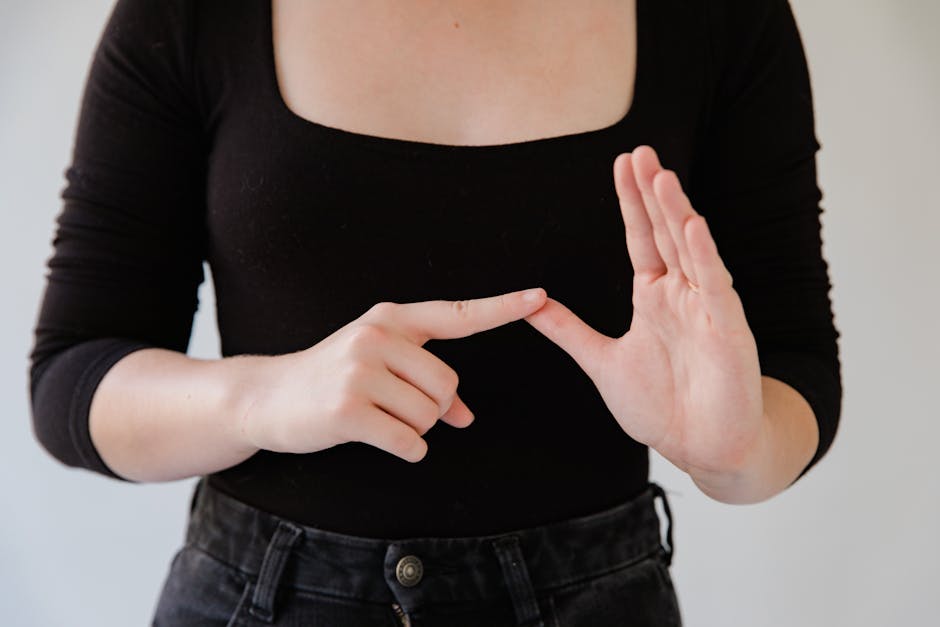
The sign for “alone, lonely, oneself, by oneself, isolated” conveys a sense of solitude or independence. It’s commonly used in the New Zealand Deaf community to express feelings of being on one’s own or to highlight individual experiences. This sign embodies the unique blend of NZSL, influenced by both British Sign Language (BSL) and the Māori language, reflecting the rich cultural tapestry of New Zealand.
Table of Contents
How to Sign “Alone, Lonely, Oneselfby Oneself, Isolated, Herself, Himself, Itself, On One’s Own, Self, Yourselfko TōNa Kotahi, Ko Ia Anake, Mokemoke, Ki A Au, Ki Ahauadjective; Adverb; Pronoun” in NZSL
- Start with your dominant hand in a flat handshape (palm facing down).
- Position your hand at chest level, just off to one side of your body.
- Move your hand away from your body slightly while maintaining the flat handshape.
- As you move your hand, show a facial expression that conveys a sense of solitude or contemplation.
- Finish the sign by bringing your hand back towards your chest, indicating a return to oneself.
Common Mistakes
- Forgetting to use appropriate facial expressions, which are crucial in NZSL for conveying emotions.
- Using a fist instead of a flat handshape, which can change the meaning of the sign.
- Not maintaining eye contact, which is important for effective communication in Deaf culture.
NZSL vs ASL
In NZSL, the sign for “alone” involves a flat handshape moving away from the body, emphasizing individuality. In contrast, ASL uses a different handshape and movement, showcasing the distinctive grammar and syntax of each sign language.
Related Signs
- (All Of) You – A sign expressing inclusivity.
- (Be) Careful – A sign for caution or mindfulness.
- (Be) Passive – A sign indicating a state of being inactive or not assertive.
Frequently Asked Questions
How can I use this sign in a sentence?
You can use the sign by incorporating it into a sentence like “I feel alone” which in NZSL would involve signing “I” (point to yourself), followed by the sign for “alone.”
Are there regional variations in signing this?
While the general sign is consistent, some regions may have slight variations in facial expressions or hand movements based on local Deaf culture.
What are some similar signs?
Signs like “lonely” and “isolated” can have similar handshapes but may differ in movement or facial expression. It’s best to learn each in context.
Any tips for learning this sign?
Practice in front of a mirror to check your handshape and facial expression. Watching native signers can also help with understanding nuances.
Can this sign be used in different contexts?
Yes, the sign can convey different feelings depending on the accompanying facial expression. For example, a sad expression can indicate loneliness, while a neutral expression may simply convey being alone.
What if I want to express being alone with others nearby?
You may want to pair the sign with context, such as “I feel alone even in a crowd,” to clarify your meaning in conversation.
Practice This Sign
Try signing Alone, Lonely, Oneselfby Oneself, Isolated, Herself, Himself, Itself, On One's Own, Self, Yourselfko TōNa Kotahi, Ko Ia Anake, Mokemoke, Ki A Au, Ki Ahauadjective; Adverb; Pronoun with your camera and get AI coaching on your handshape, movement, and location.
Free · No signup required