
Accompany in New Zealand Sign Language (NZSL)
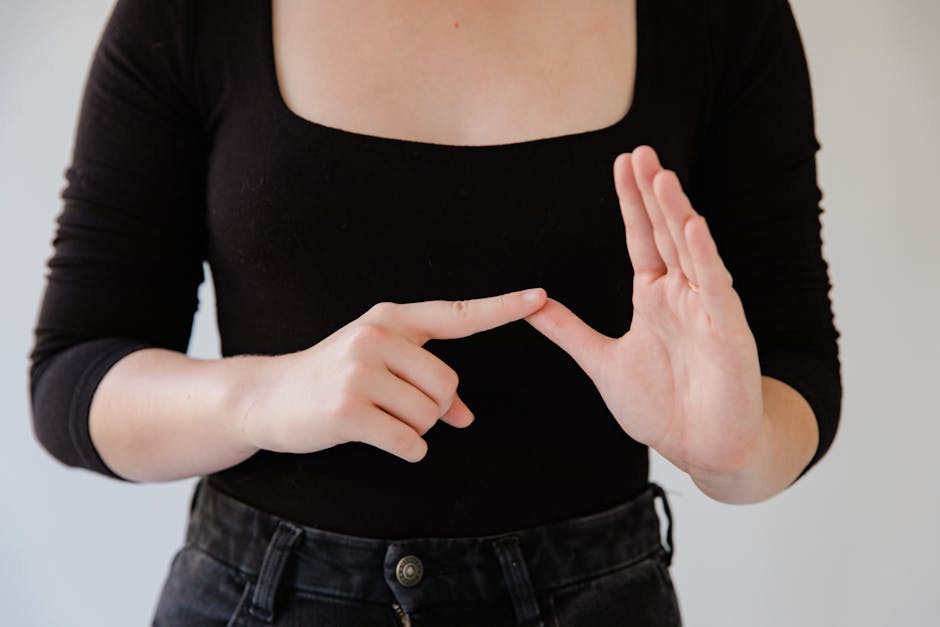
The NZSL sign for “accompany,” often expressed as “together” or “go with,” is a versatile sign used in various contexts within the Deaf community. This sign reflects a sense of togetherness and partnership, whether it’s about physically going somewhere with someone or emotionally supporting them. It fosters connections among individuals, which is a vital aspect of Deaf culture.
Table of Contents
How to Sign “Accompany, Withcome With, Go With, Togetherhaere Tahi, Meadverb; Preposition; Verb” in NZSL
- Start with both hands in a flat “B” handshape (fingers spread out and flat).
- Position your dominant hand slightly in front of your non-dominant hand, palm facing down.
- Move both hands forward together, mimicking a motion of walking or moving forward.
- Maintain a facial expression that conveys friendliness and openness, as this enhances the meaning of togetherness.
Common Mistakes
- Forgetting to use both hands, which can make the sign appear incomplete.
- Using a closed fist instead of a flat “B” handshape, which alters the sign’s meaning.
- Not incorporating facial expressions, leading to a lack of clarity about the sign’s intent.
NZSL vs ASL
In NZSL, the sign for “accompany” is distinct from American Sign Language (ASL). While both languages may express the concept of togetherness, the handshapes and movements can differ. NZSL often incorporates more cultural nuances and local signs influenced by te reo Māori, which may not be present in ASL.
Related Signs
- (All Of) You – A sign used to address a group collectively.
- (All Of) Youyou Allkoutou (Katoa)Pronoun – Emphasizes inclusivity and collective address.
- (Be) Careful – A sign indicating a need for caution, often used in social contexts.
Frequently Asked Questions
How can I use the sign “accompany” in a sentence?
You can combine it with other signs to indicate specific contexts, such as “I will accompany you to the store” by signing “I” + “accompany” + “you” + “store.”
Are there any regional variations in using this sign across New Zealand?
While the sign is generally consistent, some regional communities may have slight variations in hand positioning or movement style.
What are some similar signs in NZSL?
Signs like “together” or “join” convey similar meanings and can be used in related contexts.
What tips do you have for learning this sign?
Practice with friends or in a group setting; using facial expressions can help convey the sign’s meaning more effectively.
Can this sign be used in both formal and informal settings?
Yes, “accompany” is versatile and can be used in various contexts, from casual conversations to more formal discussions.
How does this sign relate to te reo Māori?
Incorporating te reo Māori signs into NZSL enriches communication and reflects New Zealand‘s cultural diversity.
Practice This Sign
Try signing Accompany, Withcome With, Go With, Togetherhaere Tahi, Meadverb; Preposition; Verb with your camera and get AI coaching on your handshape, movement, and location.
Free · No signup required