
Boss, Captain, Chief, Master in New Zealand Sign Language (NZSL)
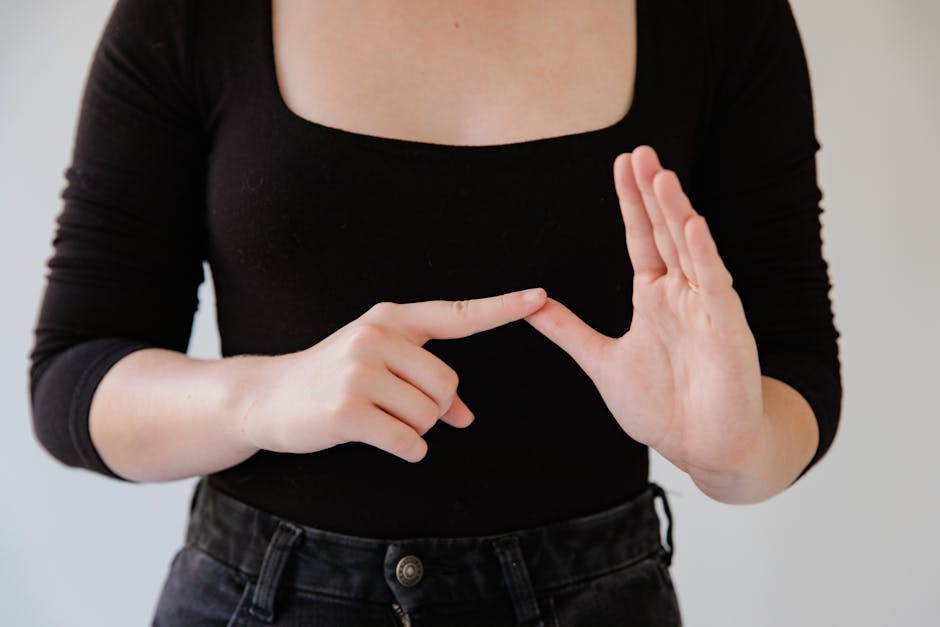
The sign for “bosscaptain, chief, masterrangatira, pāhinoun” in NZSL represents leadership and authority. It’s commonly used in various contexts, such as workplaces, community groups, or when discussing leadership roles within Māori culture. This sign reflects the importance of strong leadership in both the Deaf and wider communities.
Table of Contents
How to Sign “Bosscaptain, Chief, Masterrangatira, PāHinoun” in NZSL
- Start with your dominant hand in an open hand shape, fingers extended and together.
- Position your hand in front of your forehead, palm facing inward.
- Move your hand outward from your forehead slightly, while keeping your fingers extended.
- Maintain a confident facial expression, showing authority or leadership.
Common Mistakes
- Forgetting to maintain a strong facial expression, which is essential to convey authority.
- Incorrectly positioning the hand too high or low; it should be at forehead level.
- Using a flat hand shape instead of an open hand shape with fingers extended.
NZSL vs ASL
In NZSL, the sign for “bosscaptain, chief, masterrangatira, pāhinoun” is distinct from ASL. While ASL also has a sign for “boss,” it uses a different handshape and movement that does not involve the forehead. Each sign reflects the cultural nuances of its respective community.
Related Signs
- Leader – A sign denoting someone who guides or directs a group.
- Tribe – Represents a group of people connected by culture or kinship.
- Māori – Signifying the indigenous people of New Zealand.
- Community – Refers to a group of individuals living in the same area or sharing common interests.
- Council – A group of individuals convened for decision-making or advisory purposes.
Frequently Asked Questions
How can I use this sign in a sentence?
You can say, “The bosscaptain of our team is very supportive,” by signing the phrase and incorporating the sign for “team.”
Are there any regional variations for this sign across New Zealand?
This sign is fairly consistent across New Zealand, but some regions may have slight variations in handshape or movement.
What are some similar signs to “bosscaptain”?
Related signs include “leader” and “chief,” which share similar meanings and contexts.
What tips do you have for learning this sign?
Practice in front of a mirror to ensure you have the correct hand shape and facial expression. Watching native signers can also help!
Can I use this sign to refer to a non-Māori leader?
Yes, this sign can be used in a general context to refer to any leader, not just within Māori culture.
Is there a cultural significance to this sign?
Yes, it embodies respect for leadership and authority, especially within the Māori community and the Deaf culture in New Zealand.
Practice This Sign
Try signing Bosscaptain, Chief, Masterrangatira, PāHinoun with your camera and get AI coaching on your handshape, movement, and location.
Free · No signup required