
How to Learn NZSL – Your Complete Starter Guide

Figuring out how to learn NZSL is the first step toward connecting with New Zealand’s Deaf community and gaining one of the country’s three official languages. New Zealand Sign Language is a complete, independent language with its own grammar, cultural heritage, and Māori influence. Here’s everything you need to know to start learning effectively and make genuine progress.
Where to Begin
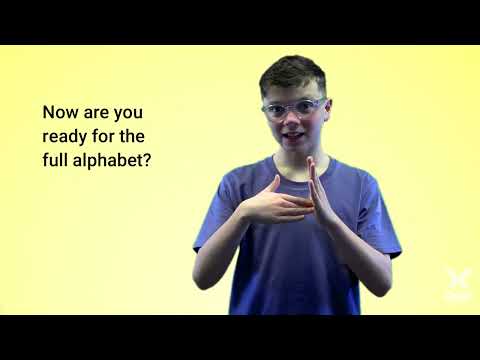
The NZSL manual alphabet is your starting point. This two-handed system (shared with BSL and Auslan) lets you fingerspell any word from day one. Learn all 26 letters from the NZSL Online Dictionary, then practise spelling your name, New Zealand place names, and common words until the movements flow naturally.
Numbers 1 to 20 and essential greeting signs (hello, goodbye, thank you, please, sorry) give you immediate communication tools. Within your first week, you can introduce yourself, be polite in basic interactions, and fingerspell anything you don’t yet have a sign for. This foundation makes every subsequent learning step easier.
Understand that NZSL is not signed English. It has topic-comment sentence structure, facial expressions as mandatory grammar, and spatial referencing — all different from English. Approaching NZSL as its own language from the start prevents the common beginner mistake of trying to sign English word-for-word.
NZSL uniquely incorporates Māori cultural elements. Signs for Māori concepts, place names, and protocols reflect Aotearoa’s bicultural identity. This Māori dimension makes NZSL a distinctly New Zealand language that connects you to the country’s broader cultural landscape alongside its Deaf community.
Learning Resources
Deaf Aotearoa New Zealand offers NZSL courses in major cities, taught by Deaf tutors. These courses provide the structured progression, interactive practice, and cultural context that effective language learning requires. Check their website for current course offerings in your area.
Community education providers and polytechnics across New Zealand offer NZSL courses, typically as term-length evening classes. Victoria University of Wellington provides the most comprehensive academic programme, with courses from introductory to postgraduate level in NZSL and Deaf studies.
The NZSL Online Dictionary (nzsl.vuw.ac.nz) is the essential free resource — a comprehensive video dictionary with English and Te Reo Māori translations. Bookmark it immediately and use it as your daily vocabulary reference. No NZSL learner should be without this tool.
Practice Makes Perfect
Test your sign language skills with our free practice app.
YouTube and social media provide free NZSL content from Deaf New Zealanders. While less abundant than ASL or BSL content, authentic NZSL videos supplement formal learning with natural language exposure. Follow NZSL creators for daily signing content in your social media feeds.
The Importance of Community
The New Zealand Deaf community is the most powerful resource for NZSL learning. It’s small (approximately 4,500 users), intimate, and genuinely welcoming to learners. Attending Deaf events provides real-world practice that develops fluency, cultural understanding, and confidence beyond what any classroom or app can offer.
Deaf clubs and social groups in Auckland, Wellington, Christchurch, and other cities hold regular events. Deaf Aotearoa can point you to groups in your area. Start attending as early as possible — you don’t need to wait until you’re “good enough.” Deaf community members appreciate effort and support learners warmly.
New Zealand Sign Language Week, celebrated annually, is an ideal entry point. Events nationwide welcome learners in a celebratory, learning-friendly atmosphere. Workshops, performances, and social events during this week provide excellent first experiences of NZSL community engagement.
The community’s small size means relationships develop quickly. After just a few events, you’ll be recognised and welcomed by name. This personal connection — rare in larger Deaf communities — creates a motivating feedback loop: the community’s encouragement sustains your learning, and your growing skills enrich your community participation.
Sustaining Your NZSL Journey
Daily practice beats weekly study. Even fifteen minutes of fingerspelling drills, vocabulary review, or NZSL video watching builds the visual processing and motor memory that the language demands. Attach your practice to a daily routine — after morning coffee, during lunch, before bed — and protect that habit.
Set specific goals: “Learn 15 new signs this week,” “have a two-minute conversation at the next Deaf event,” “understand a one-minute NZSL video without subtitles.” Measurable goals provide direction and a sense of achievement that vague intentions don’t. Track your progress in a simple log.
Combine multiple learning methods. Use courses for grammar and structure, the online dictionary for vocabulary, social media for daily exposure, and community events for real-world practice. Each method develops different skills, and together they create well-rounded NZSL ability.
Remember why you started. Whether you’re learning for a Deaf family member, professional development, or personal enrichment, reconnecting with your motivation during challenging moments keeps you moving forward. The Deaf people you’ll communicate with, the community you’ll join, and the perspectives you’ll gain make every hour of NZSL practice worthwhile. Start today — the journey begins with your first sign.
Related Articles
- How to Learn New Zealand Sign Language
- How to Learn NZ Sign Language
- How Long Does It Take to Learn NZSL
Practice ASL Signs
Use your camera to practice signs and get real-time AI feedback on your technique.
Free · No signup required