
How to Learn NZ Sign Language – Practical Steps

Working out how to learn NZ sign language starts with understanding that NZSL is one of New Zealand’s three official languages — a complete, independent language with its own grammar and cultural heritage. Whether you’re in Aotearoa or abroad, you can begin learning NZSL through courses, free online resources, and engagement with the Deaf community. Here’s your practical starting guide.
First Steps
Learn the NZSL manual alphabet first. NZSL uses the same two-handed alphabet as BSL and Auslan — both hands form each letter together. You can learn all 26 letters from the NZSL Online Dictionary or YouTube tutorials in a single session. Practise fingerspelling your name and common words until the movements become fluid.
Master numbers 1 to 20 alongside the alphabet. Numbers appear in virtually every conversation — times, dates, prices, ages, quantities. NZSL’s number system is logical and quick to learn, giving you immediately practical communication ability within your first week of study.
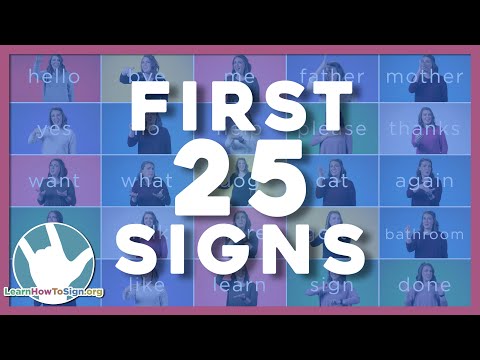
Learn ten essential signs: hello, goodbye, thank you, please, sorry, yes, no, help, good, and “my name is.” These signs enable polite basic interaction from day one. Practise them in front of a mirror, paying attention to your hand positions and facial expressions.
Accept from the start that NZSL has its own grammar. It uses topic-comment sentence structure, facial expressions as grammatical markers, and spatial referencing — all different from English. Learning NZSL as its own language rather than trying to sign English word-for-word is essential for genuine progress.
Courses and Learning Options
Deaf Aotearoa offers NZSL courses in major New Zealand cities, taught by Deaf tutors. These courses provide structured progression, interactive practice, and cultural learning. As the national Deaf organisation, Deaf Aotearoa ensures course content reflects authentic community language and culture.
Community education providers and polytechnics in Auckland, Wellington, Christchurch, Hamilton, and other centres offer NZSL courses. Some run as weekly evening classes over a term, fitting around work schedules. Costs vary but are generally affordable, and some providers offer subsidised places.
Victoria University of Wellington offers academic NZSL programmes from introductory to postgraduate level. For those wanting in-depth academic study of NZSL and Deaf culture, Wellington provides the most comprehensive educational pathway in the country.
Practice Makes Perfect
Test your sign language skills with our free practice app.
Online learning options are more limited for NZSL than for larger sign languages like ASL or BSL, but growing. Some providers offer online NZSL courses, and the NZSL Online Dictionary provides free video-based vocabulary learning that’s accessible from anywhere. Social media NZSL content supplements formal courses with authentic language exposure.
Free Resources
The NZSL Online Dictionary (nzsl.vuw.ac.nz) is the essential free resource. This comprehensive dictionary provides video demonstrations of thousands of signs with English and Te Reo Māori translations. Bookmark it and use it daily for vocabulary learning, reference, and sign verification.
YouTube hosts NZSL tutorial content from Deaf educators and organisations. While less abundant than ASL or BSL content, NZSL-specific videos provide authentic demonstrations from native signers. Search for “NZSL” or “New Zealand Sign Language” to find tutorials, vocabulary lessons, and cultural content.
Social media platforms connect you with Deaf New Zealanders creating NZSL content. Following NZSL creators on Instagram, TikTok, and Facebook provides daily exposure to natural signing, building your visual processing skills and familiarising you with NZSL’s rhythm and style.
Libraries in New Zealand may stock NZSL learning materials. While books alone can’t teach a visual language, they provide grammar explanations, cultural context, and structured lesson plans that complement video-based vocabulary learning. Check your local library catalogue for NZSL resources.
Community and Practice
The Deaf community in New Zealand is welcoming and accessible. Deaf clubs and social groups in major cities hold regular events. Deaf Aotearoa can connect you with local events and groups. Attending even one event per month alongside your study dramatically accelerates progress.
Find a practice partner for regular interactive practice. Fellow NZSL learners, willing friends, or online signing buddies provide the conversational practice that solo study lacks. Regular paired practice builds confidence and highlights gaps in your knowledge that self-study might miss.
New Zealand Sign Language Week, held annually, is the perfect time to engage. Events nationwide welcome learners and provide a celebratory context for NZSL interaction. Mark it in your calendar and attend as many events as possible.
Consistent daily practice matters more than occasional intensive study. Even ten to fifteen minutes daily — fingerspelling practice, vocabulary review, watching NZSL content — builds the skills that NZ sign language requires. Start today with the alphabet, and let each day’s practice carry you closer to the conversations you want to have.
Related Articles
Practice ASL Signs
Use your camera to practice signs and get real-time AI feedback on your technique.
Free · No signup required