
Younker in British Sign Language (BSL)

The sign for “younker” in BSL refers to a young child or a youth, often used in casual conversations within the Deaf community. It’s a term that can evoke a sense of affection or endearment when referring to a young person. This sign is commonly exchanged among friends and family when discussing children or young individuals.
How to Sign “Younker” in BSL
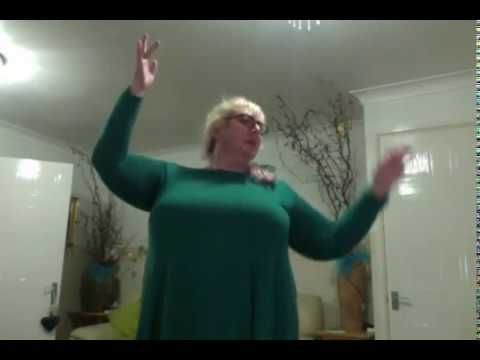
- Start with your dominant hand in a flat shape (like a ‘B’ handshape), palm facing down.
- Position your hand in front of your chest at about shoulder height.
- Move your hand slightly forward while bending your elbow and keeping your fingers together.
- As you make this movement, use a gentle facial expression that conveys warmth or playfulness.
- Finish with your hand returning to the starting position to emphasize the concept of a youthful individual.
Common Mistakes
- Forgetting to use facial expressions, which are crucial in BSL to convey emotion and context.
- Using an incorrect handshape—ensure your dominant hand is flat and fingers are together.
- Not maintaining a clear space in front of you for the sign, which can confuse the meaning.
BSL vs ASL
In BSL, the sign for “younker” has distinct handshapes and movements compared to ASL, where the concept may be signed differently. BSL tends to use more contextual visual cues, while ASL may focus on the sign’s placement and movement relative to the body.
Related Signs
- Child – A general term for a young person.
- Youth – Referring to a young adult or teenager.
- Baby – Specifically for very young children.
- Family – Discussing relationships that may include young ones.
- Play – Often associated with children and their activities.
Frequently Asked Questions
How can I use “younker” in a BSL sentence?
You can use “younker” to describe a child in a sentence like “The younker is playing outside” by signing ‘younker’ followed by the sign for ‘play’ and pointing to the outside.
Are there regional variations for this sign across the UK?
While the sign for “younker” is generally consistent, some regional variations may exist in facial expressions or slight hand movements, so it’s good to observe local usage.
What are some similar signs to “younker”?
Similar signs include ‘child’, ‘baby’, and ‘youth’, each with its specific context and meaning regarding age and development.
What tips do you have for learning this sign?
Practice in front of a mirror to ensure your handshape and facial expressions are clear, and try to use the sign in context with others to reinforce your learning.
Can “younker” be used in formal settings?
“Younker” is generally informal; in formal contexts, you might use ‘child’ or ‘youth’ instead, depending on the situation.
What should I focus on when practicing this sign?
Focus on the handshape, the movement of your hand, and the accompanying facial expressions to ensure effective communication.
Practice This Sign
Try signing Younker In Bsl with your camera and get AI coaching on your handshape, movement, and location.
Free · No signup required