
Wall in British Sign Language (BSL)
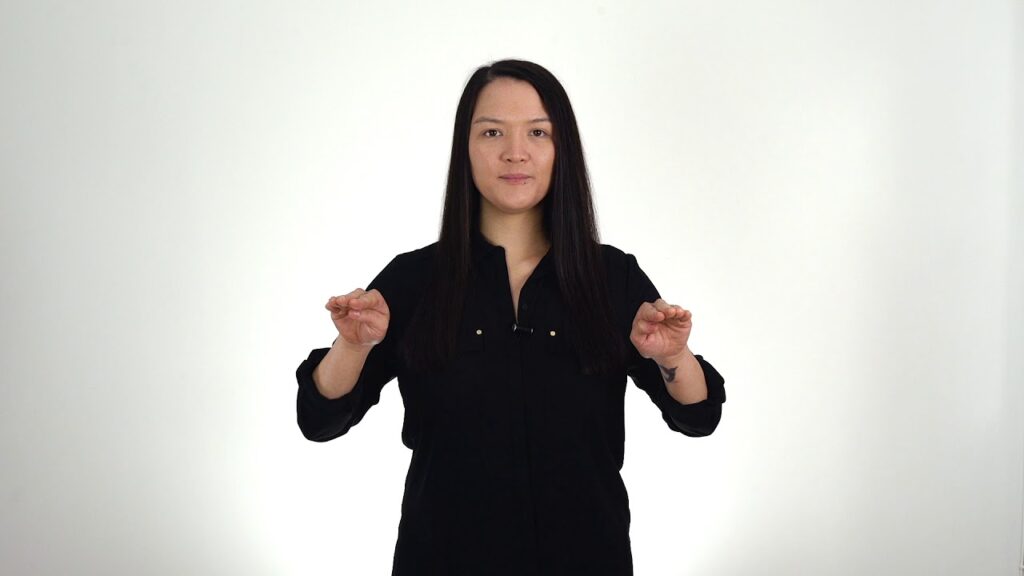
The BSL sign for “wall” refers to a vertical structure that encloses a space, often used in conversations about buildings, homes, or barriers. This sign is commonly utilised in both everyday discussions and more technical conversations within the UK Deaf community.
How to Sign “Wall”
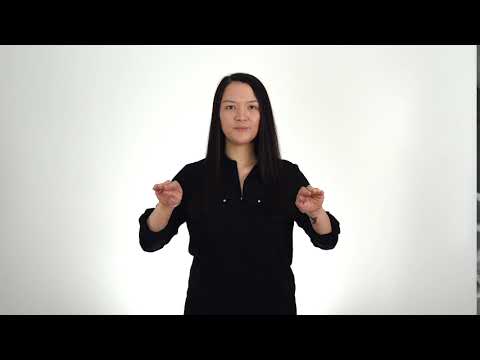
- Start with both hands in a flat shape (like a palm facing down). Your fingers should be together and extended.
- Position your hands in front of your body, approximately at waist level.
- Move your hands outward from the centre of your body, maintaining the flat shape, to indicate the width of the wall.
- As you move your hands, use a firm facial expression to convey strength and solidity, as walls are strong structures.
- Finish with your hands about shoulder-width apart, which signifies the thickness of the wall.
Common Mistakes
- Using rounded hands instead of flat hands, which can alter the meaning.
- Moving the hands too quickly or too slowly, which may confuse viewers about the sign’s intent.
- Not using appropriate facial expressions, which are key to conveying the sign’s strength and context.
BSL vs ASL
In BSL, the sign for “wall” uses a flat handshape and a specific movement to express the concept of a solid structure. In contrast, ASL may use different handshapes and movements, making the signs visually distinct. This highlights the unique grammar and vocabulary of each sign language.
Related Signs
- House – A structure where people live.
- Door – An entrance to a building.
- Window – An opening in a wall for light and air.
- Roof – The top covering of a building.
- Build – To construct or create something.
Frequently Asked Questions
How can “wall” be used in a BSL sentence?
You might say, “THE WALL (pointing to the wall) IS HIGH,” using the topic-comment structure.
Are there regional variations for this sign in the UK?
While the sign is generally consistent, some regions may have slight variations in movement or speed.
What are some similar signs to “wall”?
Signs like “fence” and “barrier” may have similar structures but differ in handshape and movement.
What tips can help me learn this sign?
Practice in front of a mirror and observe native signers to understand the nuances of movement and expression.
Can I use this sign in different contexts?
Yes, “wall” can describe physical walls as well as metaphorical barriers in conversations.
How does facial expression affect the sign?
Facial expressions add meaning and context, especially to convey strength and emphasis.
Practice This Sign
Try signing Wall In Bsl with your camera and get AI coaching on your handshape, movement, and location.
Free · No signup required