
Play in British Sign Language (BSL)
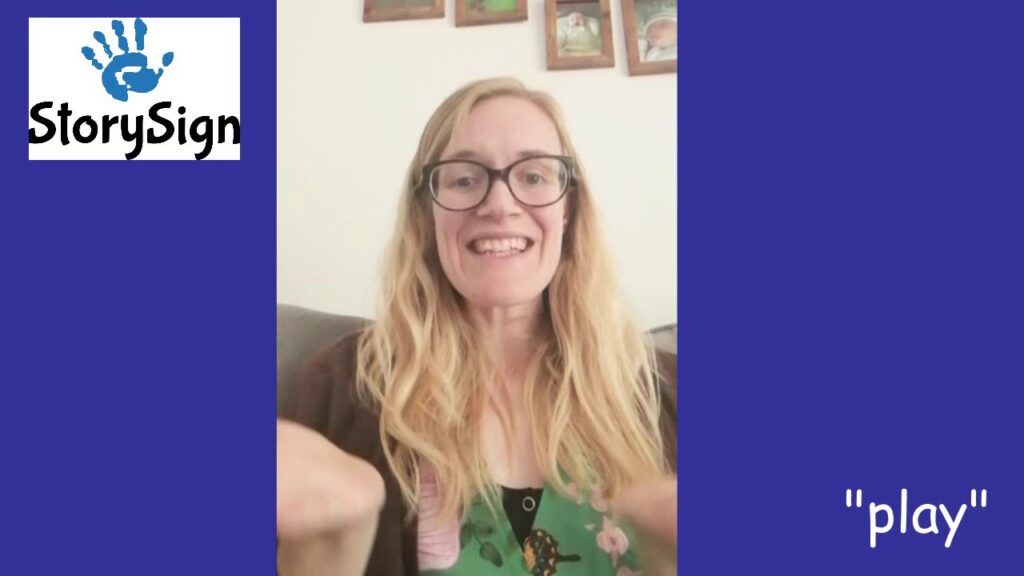
The sign for “play” in British Sign Language (BSL) is a vibrant and expressive gesture used frequently by the UK Deaf community. It conveys the concept of engaging in fun activities, games, or performances. This sign is often used in conversations about hobbies, sports, or entertainment.
How to Sign “Play” in BSL
- Start with both hands open, palms facing down, and held in front of your body at about waist height.
- Move your hands outward and slightly upwards in a gentle, playful motion, as if you are inviting someone to join in a game.
- While signing, maintain a friendly facial expression and engage your eyebrows to show excitement or enthusiasm. This non-manual feature adds context to the sign.
- Optionally, you can incorporate the use of space by indicating the direction of play, such as pointing to others or the space where the activity is happening.
Common Mistakes
- Forgetting to use facial expressions, which can make the sign feel flat and less engaging.
- Not using the correct hand shape; ensure your fingers are open and relaxed.
- Neglecting the topic-comment structure; remember to establish the context before performing the sign.
BSL vs ASL
In American Sign Language (ASL), the sign for “play” has a different handshape and movement. While BSL uses open hands, ASL may use a “P” handshape. This highlights the differences in the two languages, emphasizing the importance of learning the specific signs for each language.
Related Signs
- (Bsl): A reference to British Sign Language.
- 1: The sign for the number one.
- 10: The sign for the number ten.
- 100: The sign for one hundred.
- 11: The sign for eleven.
Frequently Asked Questions
How do I use “play” in a BSL sentence?
To use “play” in a sentence, establish your topic first, like “I” or “we,” and then sign “play” to convey the action, e.g., “We play football.”
Are there regional variations for this sign?
The sign for “play” is generally consistent across the UK, but some regional variations may exist in how expressive the movement is.
What are some similar signs?
Related signs include “game,” “fun,” and “sport,” each having its own unique gesture.
Do I need to learn facial expressions for this sign?
Yes, facial expressions are crucial in BSL as they add meaning and context to your signs.
Any tips for learning this sign?
Practice in front of a mirror to see your hand shapes and expressions. Joining a BSL class can also help.
What if I forget the sign for “play”?
If you forget the sign, you can describe the activity in simple terms or use fingerspelling for clarity.
Can I use this sign in a formal setting?
Yes, “play” can be used in both casual and formal contexts, such as discussing performances or educational activities.
Practice ASL Signs
Use your camera to practice signs and get real-time AI feedback on your technique.
Free · No signup required