
House in British Sign Language (BSL)
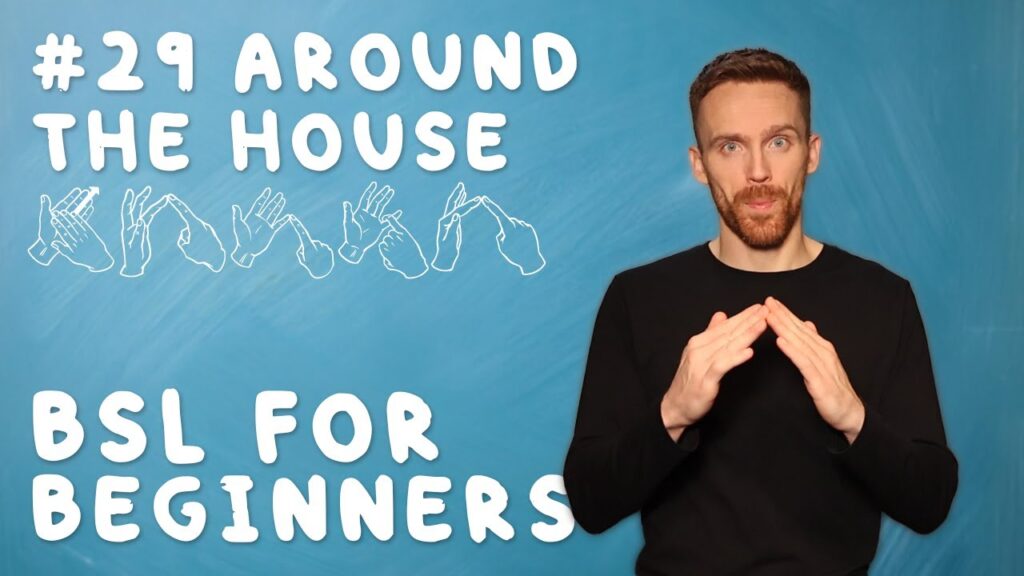
The sign for “house” in British Sign Language (BSL) represents a dwelling or home and is commonly used in everyday conversations within the UK Deaf community. It can express both literal and metaphorical meanings, such as referring to one’s own home or discussing locations in a broader context.
How to Sign “House” in BSL
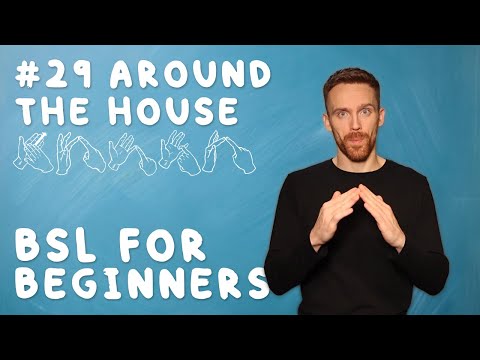
- Start with both hands in front of your chest, palms facing each other.
- Form the handshape by making a ‘flat’ shape with your dominant hand (like a ‘B’ handshape) while your non-dominant hand stays in a similar flat position.
- Move your dominant hand upward in a slight arc to form the roof of the house.
- Bring both hands back down to the starting position to indicate the base of the house.
- Use a facial expression that conveys the meaning or context of the sign, such as a smile if you are talking about a happy home.
Common Mistakes
Some common errors include:
- Not using the correct handshape, which can confuse the sign with other similar signs.
- Neglecting facial expressions, which can lead to a lack of clarity in the intended message.
- Moving hands too quickly or not clearly enough, making the sign difficult to understand.
BSL vs ASL
In American Sign Language (ASL), the sign for “house” differs significantly in both handshape and movement. While BSL uses both hands to represent the structure, ASL often uses one hand with a different motion. This highlights the unique grammar and structure of BSL compared to ASL.
Related Signs
- 1 – The sign for the number one.
- 10 – The sign for the number ten.
- 100 – The sign for the number one hundred.
- 11 – The sign for the number eleven.
- 12 – The sign for the number twelve.
Frequently Asked Questions
Can “house” be used in a sentence?
Yes, you can use “house” in a sentence like: “MY HOUSE BIG,” where “MY” is signed before “HOUSE” to indicate ownership.
Are there regional variations for the sign “house”?
While the sign is generally consistent across the UK, some regional variations may exist, so it’s beneficial to learn from local Deaf individuals.
What are similar signs to “house”?
Signs like “home” or “building” may have similar handshapes but will differ in movement and context.
Do I need to use facial expressions?
Yes, facial expressions are crucial in BSL as they add meaning to the sign, conveying emotions and context.
What tips can help me learn this sign?
Practise in front of a mirror, watch videos of native signers, and ask for feedback from Deaf friends or tutors.
Practice ASL Signs
Use your camera to practice signs and get real-time AI feedback on your technique.
Free · No signup required