
Very in British Sign Language (BSL)
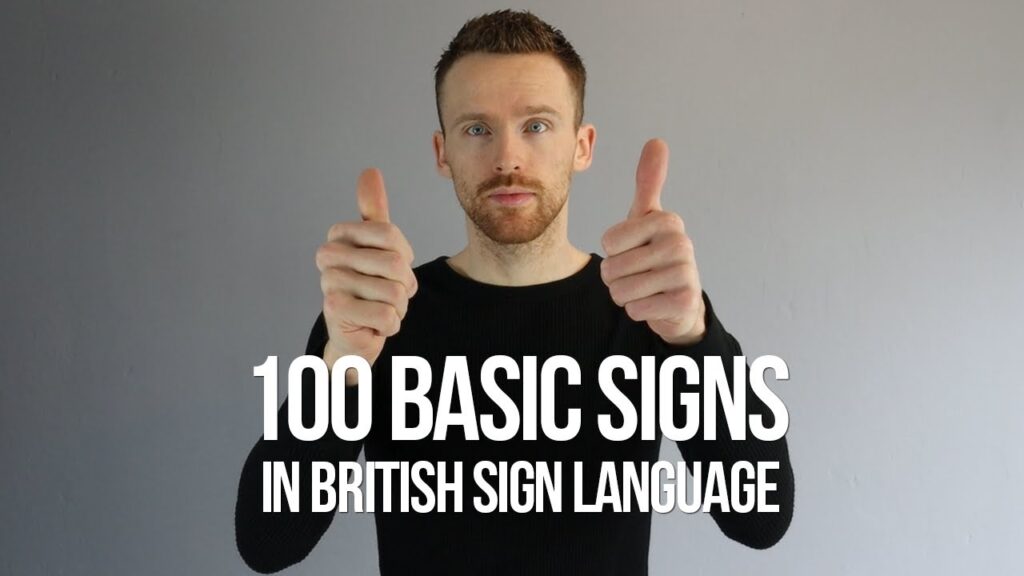
The sign for “very” in BSL is an important modifier that emphasizes the intensity or degree of an adjective or adverb. It’s commonly used in everyday conversations within the UK Deaf community to express strong feelings or opinions. This sign plays a crucial role in enhancing the meaning of the words it accompanies.
How to Sign “Very” in BSL

- Start with your dominant hand in a flat handshape (like the letter ‘B’).
- Position your hand in front of your chest, palm facing towards you.
- Move your hand slightly forward while keeping it flat, emphasizing the movement as you do so.
- Incorporate facial expressions that match the intensity of what you’re describing—raise your eyebrows and open your mouth slightly to show emphasis.
- Ensure to use space effectively; if you are describing something specific, you can point to the relevant object or concept in the signing space.
Common Mistakes
- Using a closed handshape instead of a flat handshape can change the meaning of the sign.
- Not incorporating appropriate facial expressions may lead to a lack of clarity in the intensity you are trying to convey.
- Failing to use space effectively might confuse the context of what you are describing.
BSL vs ASL
In BSL, the sign for “very” is made with a flat handshape and a forward movement. In contrast, ASL uses a different sign that involves a different handshape and movement, reflecting the unique grammatical structures and cultural nuances of each sign language.
Related Signs
- 1 – The sign for the number one.
- 10 – The sign for the number ten.
- 100 – The sign for the number one hundred.
- 11 – The sign for the number eleven.
- 12 – The sign for the number twelve.
Frequently Asked Questions
How can I use “very” in a BSL sentence?
You can combine “very” with adjectives or adverbs. For example, to say “very good,” sign “good” and then incorporate “very” to emphasize the quality.
Are there regional variations in signing “very”?
While the sign for “very” is generally consistent across the UK, some regions may have slight variations in movement or facial expressions.
What are some signs similar to “very”?
Signs like “really” or “extremely” can also modify words similarly and may have their own unique signs in BSL.
Any tips for learning this sign?
Practice in front of a mirror to ensure your handshape and facial expressions are correct. Watching native signers can also provide helpful context.
Can I use “very” in formal situations?
Yes, “very” is appropriate in both casual and formal contexts, making it a versatile sign to use in various conversations.
Is “very” used in the same way in BSL and ASL?
No, while both languages have a sign for “very,” the signs are different in execution and can be used differently in sentences due to grammatical structures.
Practice ASL Signs
Use your camera to practice signs and get real-time AI feedback on your technique.
Free · No signup required