
Feelings in British Sign Language (BSL)
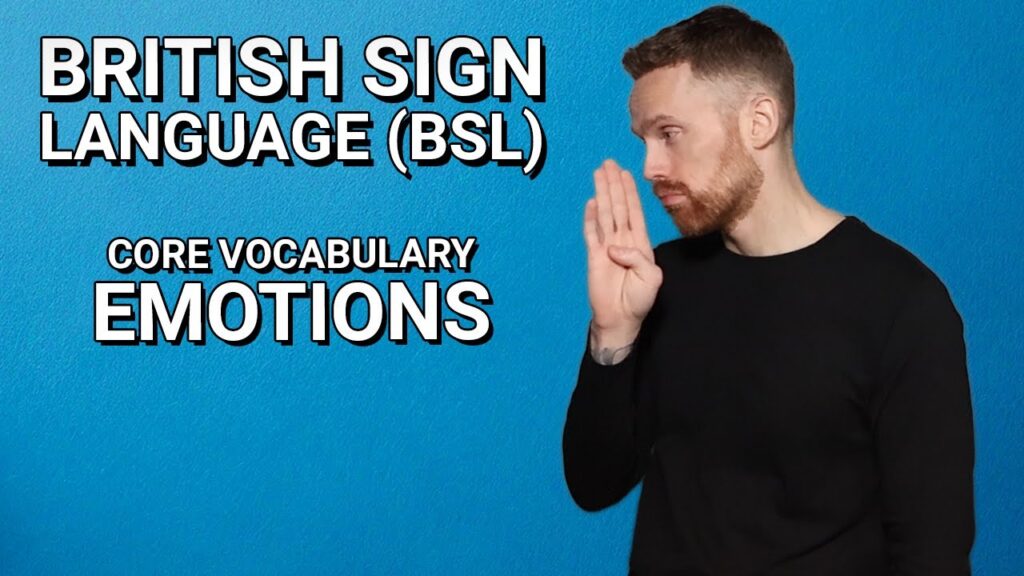
The sign for “feelings” in British Sign Language (BSL) conveys emotions and sentiments, integral to both personal expression and communication within the UK Deaf community. It is often used in discussions about mental health, personal experiences, or to express how someone feels in a given situation.
How to Sign “Feelings” in BSL
- Start with both hands in a flat ‘B’ shape (palms facing down).
- Position your hands at chest level, slightly apart.
- Move your hands outward and slightly up, as if expanding or expressing something blossoming.
- Incorporate facial expressions that reflect the feeling you’re expressing; for instance, a smile for happiness or a frown for sadness.
- Use non-manual features, such as raising your eyebrows when asking about feelings or lowering them for a serious tone.
Common Mistakes
- Forgetting to include facial expressions, which are crucial for conveying the full meaning.
- Using a stiff hand shape rather than a relaxed ‘B’ shape, which can make the sign look unnatural.
- Not using space effectively; forgetting to position hands and body to match the intensity of the feeling can lead to confusion.
BSL vs ASL
In American Sign Language (ASL), the sign for “feelings” differs significantly from BSL. While BSL uses a flat ‘B’ handshape with outward movement, ASL employs different handshapes and motions. This highlights the unique grammar and structure of each sign language, reflecting cultural nuances in expressing emotions.
Related Signs
- Happy – A sign reflecting joy and positivity.
- Sad – Expressing feelings of sorrow or unhappiness.
- Angry – Signifying frustration or anger.
- Excited – Conveying enthusiasm or eagerness.
- Surprised – Indicating shock or amazement.
Frequently Asked Questions
How can I use “feelings” in a BSL sentence?
You can use it in a sentence like “I feel happy” by signing “I” (pointing to yourself), followed by the sign for “feelings” and then “happy.”
Are there regional variations for this sign in the UK?
While the basic sign is consistent, some local dialects may have slight variations in handshape or movement.
What are some signs similar to “feelings”?
Similar signs include those for “emotions” and specific feelings like “happy” or “sad.”
What tips do you have for learning this sign?
Practice in front of a mirror to check your handshape and facial expressions, and try to use it in conversations with Deaf friends or community members.
Can “feelings” be signed differently based on context?
Yes, the context can affect how you sign “feelings” by altering the facial expressions or accompanying signs to convey specific emotions.
How do non-manual features enhance the sign?
Non-manual features like facial expressions and body language add emotional depth, making your communication more effective and relatable.
Practice ASL Signs
Use your camera to practice signs and get real-time AI feedback on your technique.
Free · No signup required