
Thank You British in British Sign Language (BSL)
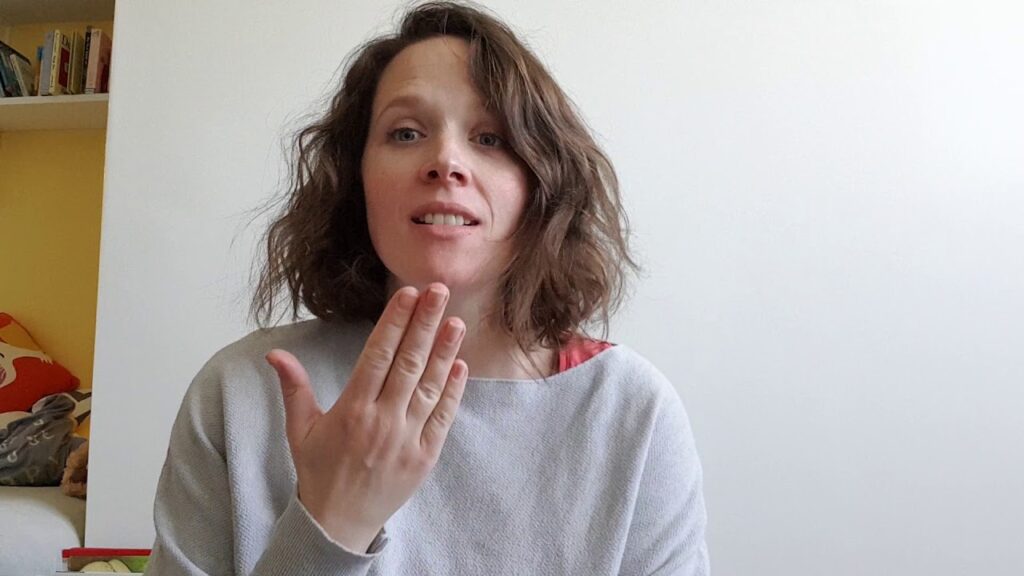
The sign for “thank you” is an important expression of gratitude within the UK Deaf community. It’s commonly used in various social interactions, from casual conversations to formal settings. Showing appreciation through this sign helps maintain positive communication and fosters a sense of community among signers.
How to Sign “Thank You British” in BSL
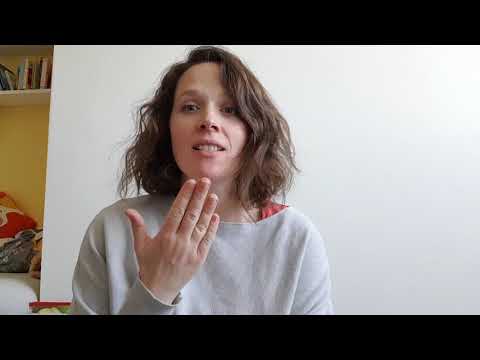
- Start with your dominant hand open and fingers together, palm facing upwards.
- Position your hand near your chin or lips.
- Move your hand slightly away from your face while curving your fingers downwards.
- Maintain a friendly facial expression, showing sincerity and warmth in your gesture.
Common Mistakes
- Not using the correct facial expression, which can make the sign feel less genuine.
- Performing the sign too quickly, which can lead to unclear communication.
- Forgetting to use the appropriate hand shape, leading to confusion with other signs.
BSL vs ASL
In BSL, “thank you” is signed with a distinct movement away from the chin, indicating the act of giving thanks. In contrast, ASL uses a variation of the same sign but may differ in hand shape and movement direction. Understanding these differences is essential for effective communication when interacting with different Deaf communities.
Related Signs
- Please – A sign to express polite requests.
- Sorry – Used to apologise or express regret.
- Help – A request for assistance.
- Goodbye – A sign for farewells.
- Yes – A simple affirmative response.
Frequently Asked Questions
Can I use “thank you” in a BSL sentence?
Yes, “thank you” can be incorporated into sentences. For example, you can sign “I thank you” by including the pronoun “I” before the sign.
Are there regional variations for “thank you” in BSL?
While the sign is generally consistent, some regions may have slight variations in how it is performed. It’s always good to observe local signers.
What are some similar signs to “thank you”?
Signs like “please” and “sorry” are commonly used in similar contexts and reflect politeness in conversation.
What tips can help me learn this sign?
Practice in front of a mirror to ensure your hand shape and facial expressions are correct, and try to incorporate it into daily conversations.
Is it okay to sign “thank you” without facial expression?
Facial expression is crucial in BSL, as it adds meaning and context to the sign. Always aim for a friendly expression.
How can I improve my BSL skills?
Regular practice, attending Deaf events, and engaging with the Deaf community will significantly enhance your skills and confidence.
Practice ASL Signs
Use your camera to practice signs and get real-time AI feedback on your technique.
Free · No signup required