
Thank You in British Sign Language in British Sign Language (BSL)

The sign for “thank you” is a fundamental part of polite communication in British Sign Language (BSL). It’s used to express gratitude in various situations, whether you’re thanking someone for their help, a gift, or simply acknowledging a kind gesture. This sign is widely recognised and appreciated within the UK Deaf community.
How to Sign “Thank You In British Sign Language” in BSL
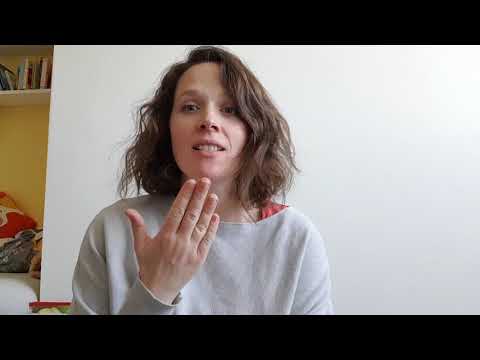
- Start with your dominant hand open, fingers together and palm facing upwards.
- Position your hand near your chin or lips, ensuring your fingers are pointing towards your face.
- Move your hand slightly away from your face while keeping your palm facing upwards. This motion should be gentle and smooth.
- As you perform the sign, maintain a warm facial expression to convey sincerity and appreciation.
Common Mistakes
- One common error is not moving the hand away from the face, which can make the sign unclear.
- Another mistake is using a flat hand instead of an open hand, which can change the meaning or make the sign less recognizable.
- Some learners forget to include appropriate facial expressions, which are crucial for conveying emotion in BSL.
BSL vs ASL
In American Sign Language (ASL), the sign for “thank you” is performed with a similar gesture but is executed differently. The dominant hand moves forward from the chin, while in BSL, the movement is more subtle. Understanding these differences highlights the unique aspects of each sign language.
Related Signs
- Please – A polite request, often used alongside “thank you.”
- Sorry – Used to express an apology, another important aspect of social interaction.
- Hello – A friendly greeting, the starting point of many conversations.
- Goodbye – Used to bid farewell, often following a “thank you.”
Frequently Asked Questions
Can I use “thank you” in a BSL sentence?
Yes, you can incorporate “thank you” into sentences. For example, you might sign, “I (topic) thank you (comment) for your help.”
Are there regional variations for this sign in the UK?
The sign for “thank you” is generally consistent across the UK, though some regions might have slight variations in movement or expression.
What are some similar signs to “thank you”?
Signs like “please” and “sorry” are similar in that they express politeness and are commonly used in everyday interactions.
Do I need to include facial expressions when signing?
Yes, non-manual features, including facial expressions, are vital in BSL to convey the right emotion and meaning.
What tips can help me learn this sign?
Practice regularly in front of a mirror, and try to incorporate the sign into daily conversations to build confidence and fluency.
Is “thank you” used in formal and informal settings?
Absolutely! “Thank you” is suitable for both formal and informal contexts, making it a versatile sign to know.
Practice ASL Signs
Use your camera to practice signs and get real-time AI feedback on your technique.
Free · No signup required