
Variation in British Sign Language (BSL)

The sign for “variation in BSL” refers to the different ways in which British Sign Language can be expressed across regions and contexts within the UK Deaf community. It emphasizes the diversity and richness of BSL, acknowledging that signs may differ based on factors such as location, culture, and personal preference.
How to Sign “Variation” in BSL
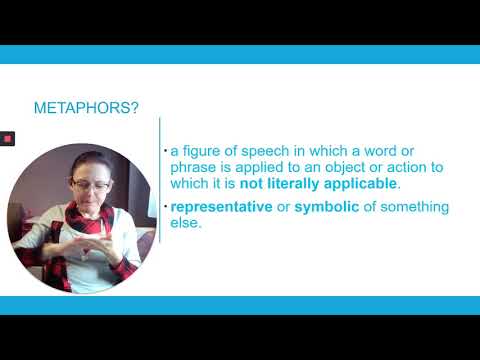
- Start with both hands in a flat shape (like a “B” handshape) with palms facing each other, positioned at chest height.
- Move your hands outward and slightly apart while keeping your palms facing each other. This movement represents the concept of “variation.”
- As your hands move apart, raise your eyebrows slightly to indicate curiosity or importance, which enhances the meaning.
- Finish the sign by bringing your hands back towards your body, signalling the personal connection to BSL.
Common Mistakes
- Forgetting to use non-manual features, like facial expressions, which are crucial in BSL.
- Using a rigid handshape instead of the relaxed “B” handshape, which can change the sign’s meaning.
- Not using enough space when performing the sign, making it less clear that it represents a variety of forms.
BSL vs ASL
In BSL, the sign for “variation” involves a specific handshape and movement that reflects the diverse ways of signing. In contrast, ASL may use different gestures and may not emphasize the same concept of regional variation as strongly as BSL.
Related Signs
- Different – A sign indicating something is not the same.
- Change – A sign for altering or modifying something.
- Style – A sign referring to the manner in which something is done.
- Regional – A sign indicating something related to a specific area or region.
- Option – A sign for the choices available.
Frequently Asked Questions
How can I use “variation in BSL” in a sentence?
You can say, “The variation in BSL is fascinating,” using the sign to emphasize the differences.
Are there regional variations for this sign?
Yes, some areas may have unique gestures or emphases, so it’s good to learn from local Deaf communities.
What are some similar signs to “variation in BSL”?
Signs like “different” and “change” can convey related ideas about diversity and adaptation in language.
What tips do you have for learning this sign?
Practice in front of a mirror to check your handshape and facial expressions; consider recording yourself for review.
Why is non-manual features important in BSL?
Non-manual features like facial expressions help convey tone and meaning, making your signing clearer and more expressive.
Is “variation in BSL” commonly used in conversations?
Yes, it’s often used when discussing different styles of signing or regional differences within the Deaf community.
Practice This Sign
Try signing Variation In Bsl with your camera and get AI coaching on your handshape, movement, and location.
Free · No signup required