
Yes in British Sign Language (BSL)
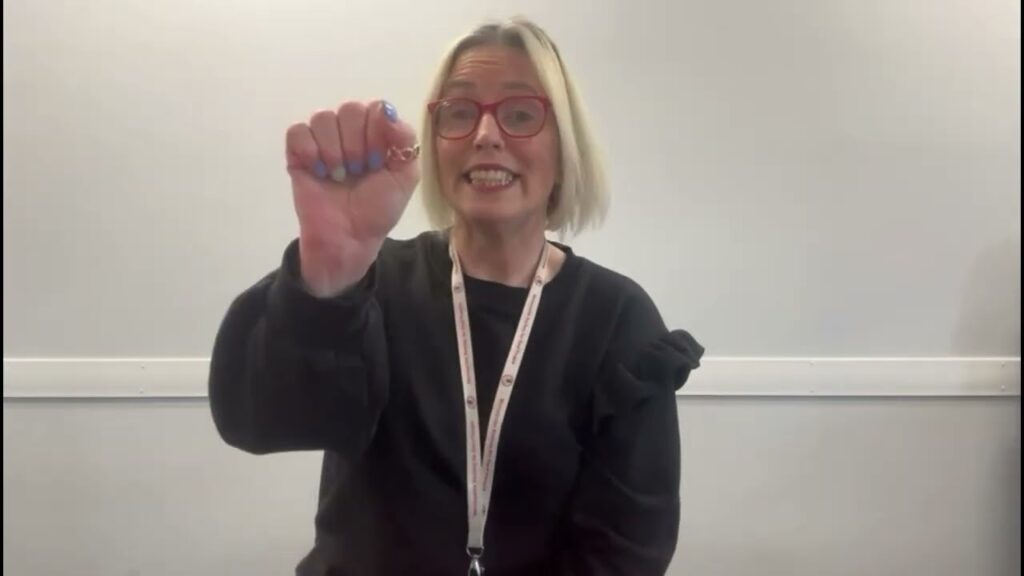
The sign for “yes” in British Sign Language (BSL) is a fundamental affirmation used in everyday conversations within the UK Deaf community. It conveys agreement and can be used in response to questions or statements where a positive confirmation is needed.
How to Sign “Yes” in BSL
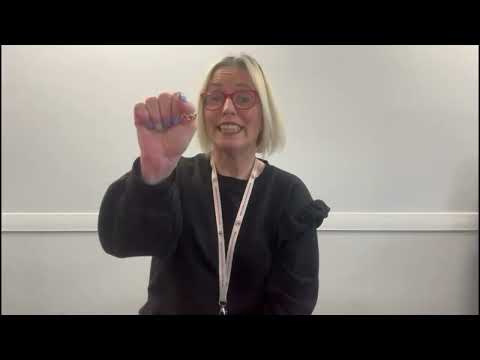
- Start with your dominant hand in a fist shape.
- Position your hand in front of your chest, about chin height.
- Move your fist slightly upwards and downwards, as if nodding.
- Maintain a confident facial expression, reflecting agreement or positivity.
Common Mistakes
- Some learners may forget to use the appropriate facial expression, which is essential for conveying affirmation.
- Others might use an open hand instead of a fist, which changes the meaning.
- Improper hand positioning can lead to confusion; ensure the fist is at the right height and distance from your body.
BSL vs ASL
In American Sign Language (ASL), the sign for “yes” is made with a fist shaking up and down, similar to BSL but with a different movement. The contrast highlights the unique grammar and signs in each language, showcasing the diversity of sign languages.
Related Signs
- No – The sign for disagreement or negation.
- Maybe – Used to express uncertainty.
- Agree – A sign for expressing agreement in more detail.
- Please – A polite sign often used in requests.
- Thank You – A sign for expressing gratitude.
Frequently Asked Questions
How can I use “yes” in a BSL sentence?
You can use “yes” at the end of a question, such as “You want tea, yes?” where you nod along with the sign.
Are there regional variations of the sign “yes” in BSL?
While the sign for “yes” is generally consistent, some regional variations might slightly alter the movement or intensity of the sign.
What is a similar sign to “yes”?
The sign for “agree” is similar in context but used for more formal agreement, while “yes” is more casual.
What are some tips for learning this sign?
Practice in front of a mirror to ensure your handshape and facial expressions are accurate, and watch native signers for guidance.
Can “yes” be used in different contexts?
Yes, “yes” can affirm statements, answer questions, or confirm intentions, making it a versatile sign.
Is “yes” used differently in formal settings?
In formal settings, you might combine “yes” with other signs to convey additional information or show respect.
Practice ASL Signs
Use your camera to practice signs and get real-time AI feedback on your technique.
Free · No signup required