
Occupancy in British Sign Language (BSL)
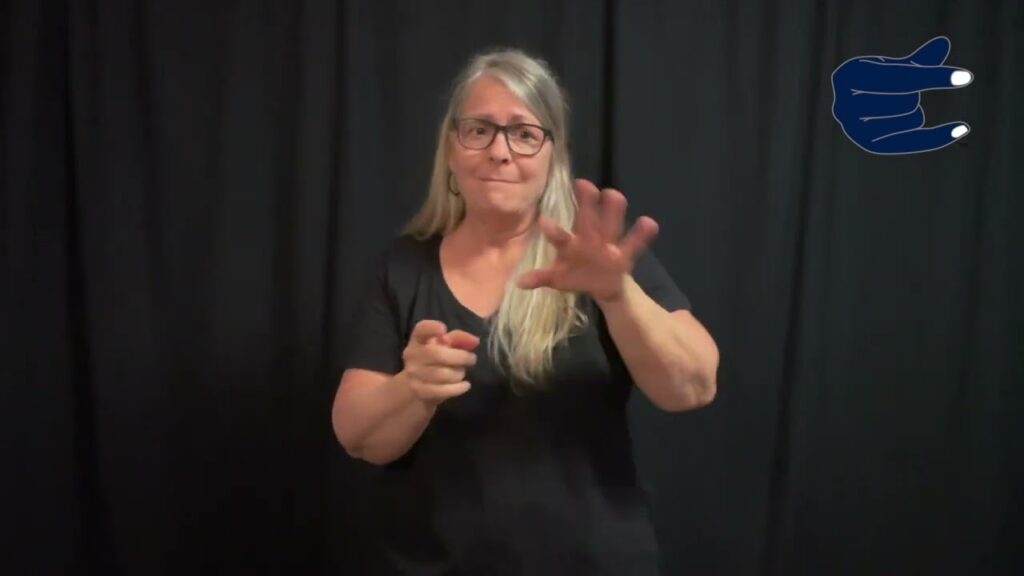
The sign for “occupancy” in BSL is useful for discussing the number of people in a space, such as in meetings, events, or shared living situations. This sign is commonly used within the UK Deaf community to convey important information about space and availability. It helps facilitate conversations about occupancy levels in various contexts.
How to Sign “Occupancy” in BSL
- Start with both hands in a flat shape (like the number “5”) and open in front of your chest, palms facing down.
- Move both hands outward and slightly apart, maintaining the flat handshape, to indicate space.
- As you move your hands outward, raise your eyebrows to show that you are asking or stating something about the occupancy.
- For clarity, you can also shake your head slightly while signing to indicate uncertainty about the number of people.
Common Mistakes
- Forgetting to use the topic-comment structure, which is key in BSL. Always clarify what you’re discussing before signing.
- Not using facial expressions effectively; non-manual features are crucial to convey the meaning and intent behind your sign.
- Using incorrect hand shapes or movements, which can change the meaning or make the sign unclear.
BSL vs ASL
In BSL, the sign for “occupancy” focuses on the spatial movement of the hands to indicate space and number. In contrast, ASL uses a different sign that may involve different hand shapes and movements to convey similar concepts. Understanding these differences can help in communicating effectively across different sign languages.
Related Signs
- 1 – The sign for the number one, often used in counting occupancy.
- 10 – The sign for ten, useful when discussing larger numbers of occupants.
- 100 – The sign for one hundred, for expressing large occupancy figures.
Frequently Asked Questions
How do I use “occupancy” in a BSL sentence?
You can structure your sentence by starting with the topic, such as “occupancy”, followed by a comment, like “is full”. For example, “Occupancy full” would mean there are no available spaces.
Are there regional variations for this sign?
While the sign for “occupancy” is generally consistent across the UK, some regions may have slight variations in the hand movements or facial expressions used.
What are some similar signs to “occupancy”?
Signs like “full”, “empty”, and “number” can be related and often used in conjunction with the occupancy sign.
Any tips for learning this sign?
Practice in front of a mirror to check your facial expressions and hand movements. Watching videos of native signers can also help improve your accuracy.
Can “occupancy” be used in different contexts?
Yes, “occupancy” can be used in various contexts, such as discussing hotel bookings, event capacities, or shared housing situations.
Practice This Sign
Try signing Occupancy In Bsl with your camera and get AI coaching on your handshape, movement, and location.
Free · No signup required