
Waiting Area in British Sign Language (BSL)

The sign for “waiting area” is commonly used in various settings such as hospitals, transport hubs, or any place where people gather while they wait. This sign helps convey the idea of a designated space for waiting within the Deaf community, making communication more efficient.
How to Sign “Waiting Area” in BSL
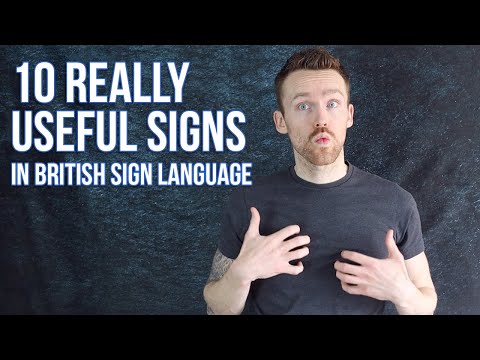
- Start by forming your dominant hand into a flat ‘B’ shape, with the palm facing down.
- Position your hand in front of your chest at about waist height.
- Then, move your hand slightly forward while keeping the palm facing down, to indicate the area.
- Use your facial expression to convey a relaxed or neutral stance, reflecting the concept of waiting.
- Optionally, you can establish the location by using your non-dominant hand to indicate the space around you, depending on the context of the conversation.
Common Mistakes
- Forgetting to use the appropriate facial expressions, which are essential in BSL to convey meaning.
- Not holding the sign long enough to show the concept of ‘waiting’.
- Confusing the hand shape or movement with similar signs, such as ‘sit’ or ‘stand’.
BSL vs ASL
In BSL, the sign for “waiting area” is formed using a flat ‘B’ handshape, while in ASL, a different sign is used that may involve more dynamic hand movements. This highlights the unique grammatical structures and signs within each language, emphasizing the cultural distinctions between the UK Deaf community and American Deaf culture.
Related Signs
- 1 – The sign for the number one.
- 10 – The sign for the number ten.
- 100 – The sign for the number one hundred.
- 11 – The sign for the number eleven.
- 12 – The sign for the number twelve.
Frequently Asked Questions
How can I use “waiting area” in a sentence?
You can say, “I am in the waiting area,” by signing “I” (pointing to yourself), then “waiting area.” This follows the topic-comment structure in BSL.
Are there regional variations for this sign?
The sign is generally consistent across the UK, but some regions may have slight variations in movement or facial expressions.
What signs are similar to “waiting area”?
Signs like “waiting” and “area” might be used in combination, but they convey distinct meanings.
Any tips for learning this sign?
Practice in front of a mirror to check your handshape and facial expressions, and try to use the sign in context to reinforce learning.
Can I use “waiting area” in conversation?
Yes, it’s a practical sign that can be used in various contexts, especially in public spaces like train stations or clinics.
Is “waiting area” used similarly in other contexts?
Yes, it can be used in both formal and informal settings, making it versatile for everyday conversations.
Practice This Sign
Try signing Waiting Area In Bsl with your camera and get AI coaching on your handshape, movement, and location.
Free · No signup required