
Waiter in British Sign Language (BSL)
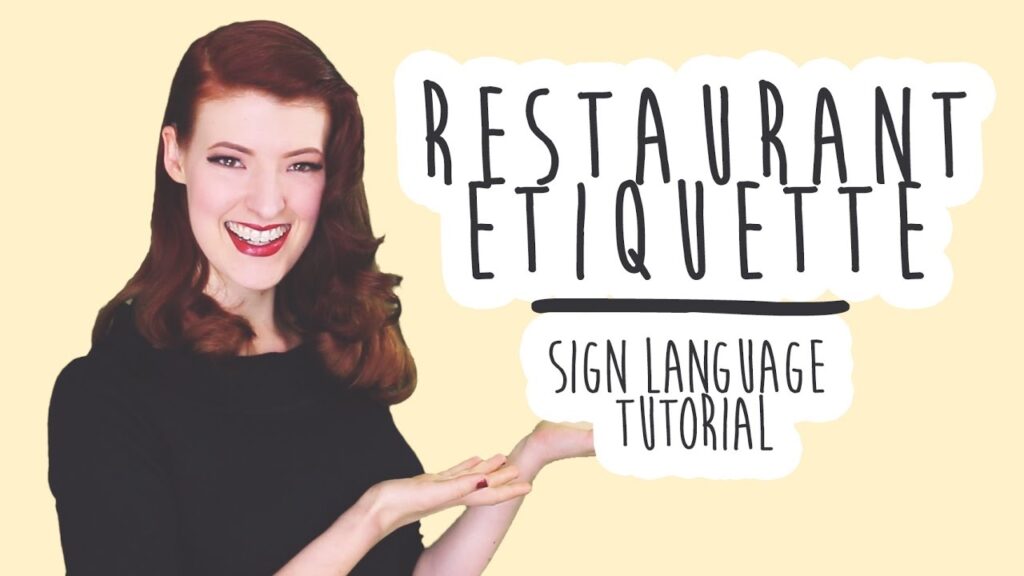
The sign for “waiter” in British Sign Language (BSL) is commonly used in restaurants and cafes when referring to a server who takes orders and serves food. This sign is important for effective communication in dining settings and can be used in both casual and formal contexts within the Deaf community in the UK.
How to Sign “Waiter” in BSL
- Start with your dominant hand in the “W” handshape (three fingers extended, thumb tucked).
- Position your hand at chest level, with the palm facing towards you.
- Move your hand slightly forward and back towards your body, as if presenting a plate or food.
- Maintain a friendly facial expression, ensuring your eyes are engaged to convey warmth.
- Optionally, use your non-dominant hand to support the sign by placing it under your dominant hand for emphasis.
Common Mistakes
One common mistake is using the wrong handshape; ensure you’re forming a “W” and not a flat hand. Another error is forgetting to incorporate facial expressions, which are essential in BSL to convey the appropriate meaning. Lastly, some learners may sign too far from their body, which can affect clarity.
BSL vs ASL
In American Sign Language (ASL), the sign for “waiter” is quite different, typically involving a different handshape and movement. While BSL focuses on the “W” handshape, ASL may use a more fluid motion with varied hand configurations. This highlights the unique characteristics of each sign language.
Related Signs
- Restaurant – Sign used to refer to a place where meals are served.
- Server – A broader term that can also refer to food service personnel.
- Customer – Refers to a person who purchases goods or services.
- Food – Sign for items that are eaten or consumed.
- Menu – Refers to a list of food and drinks offered at a restaurant.
Frequently Asked Questions
How can I use “waiter” in a BSL sentence?
You can use “waiter” in a sentence by setting the topic first, such as “WAITING (the topic), I need a WAITER.” This clarifies that you’re discussing the waiter.
Are there regional variations in signing “waiter”?
While the sign is generally consistent, some areas may have slight variations in the movement or handshape, so it’s useful to observe local signers.
What are some similar signs to “waiter”?
Related signs include “server” and “customer,” which are often used in conversations about dining experiences.
Do I need to use facial expressions while signing?
Yes, facial expressions are crucial in BSL as they add meaning and context. A friendly expression helps convey warmth when talking about service roles.
What tips do you have for learning BSL signs?
Practice regularly with others, watch fluent signers, and record yourself to check your handshape and movements for accuracy.
Can I use “waiter” in a formal setting?
Yes, the sign is appropriate for both casual and formal dining contexts when referring to service staff.
Practice This Sign
Try signing Waiter In Bsl with your camera and get AI coaching on your handshape, movement, and location.
Free · No signup required