
Necktie in British Sign Language (BSL)
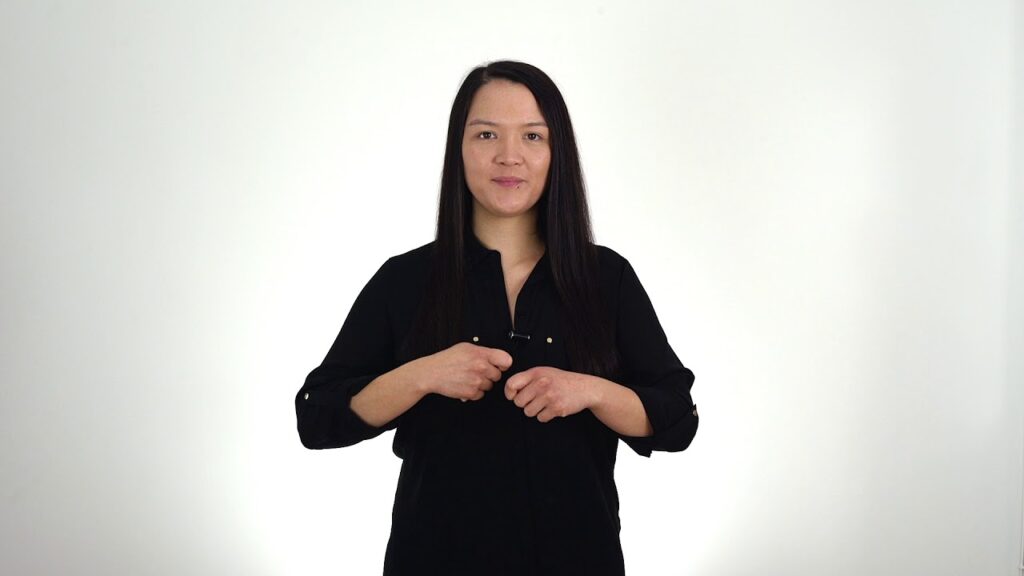
The sign for “necktie” is commonly used in the UK Deaf community, especially in contexts involving formal dress, style discussions, or when talking about clothing. This sign can come up in conversations about events like weddings, business meetings, or any occasions that require smart attire.
How to Sign “Necktie”
- Start with your dominant hand in a flat handshape (like a ‘B’ handshape) with your palm facing down.
- Position your hand at your neck area, simulating the location of a necktie.
- Move your hand downwards slightly, mimicking the motion of tying a necktie.
- Facial expression is important—maintain a neutral or slight smile, indicating clarity and confidence in your sign.
- Consider the space: keep your sign close to your neck to maintain relevance to the topic of neckties.
Common Mistakes
- Forgetting to use the proper handshape; using a flat hand instead of a fist can change the meaning.
- Moving the hand too far away from the neck area, which can make the sign unclear.
- Neglecting non-manual features like facial expressions, which can convey meaning and emotion in BSL.
BSL vs ASL
In BSL, the sign for “necktie” focuses on the physical action of tying the tie, while in ASL, the sign may look quite different, often involving more abstract hand movements. This highlights the unique grammar and structure of each sign language.
Related Signs
- Suit – The sign for suit involves a similar handshape, often used in conjunction with necktie.
- Shirt – This sign relates to clothing, often discussed alongside neckties.
- Fashion – This sign encompasses a broader topic that includes neckties as a style accessory.
- Formal – Used when discussing occasions where neckties are typically worn.
- Outfit – This includes all clothing items, including neckties.
Frequently Asked Questions
How can I use “necktie” in a BSL sentence?
You can say, “I wear a necktie for formal events” by signing the subject first, then the action, and finally the context to create clarity.
Are there regional variations for the sign “necktie”?
While the sign is generally consistent across the UK, some regions may have slight variations in speed or handshape, so it’s good to observe local users.
What are some similar signs to “necktie”?
Related signs include “suit” and “shirt,” which often come up in discussions about formal wear.
What tips do you have for learning this sign?
Practice in front of a mirror to ensure your handshape and movement are correct, and pay attention to your facial expressions.
Can I use this sign in a casual context?
While “necktie” is generally formal, it can be used in casual conversations about clothing or style if the context fits.
How important are non-manual features in BSL?
Non-manual features are crucial in BSL as they can change the meaning of signs and convey emotions, so always include them in your signing.
Practice This Sign
Try signing Necktie In Bsl with your camera and get AI coaching on your handshape, movement, and location.
Free · No signup required