
Narrative in British Sign Language (BSL)
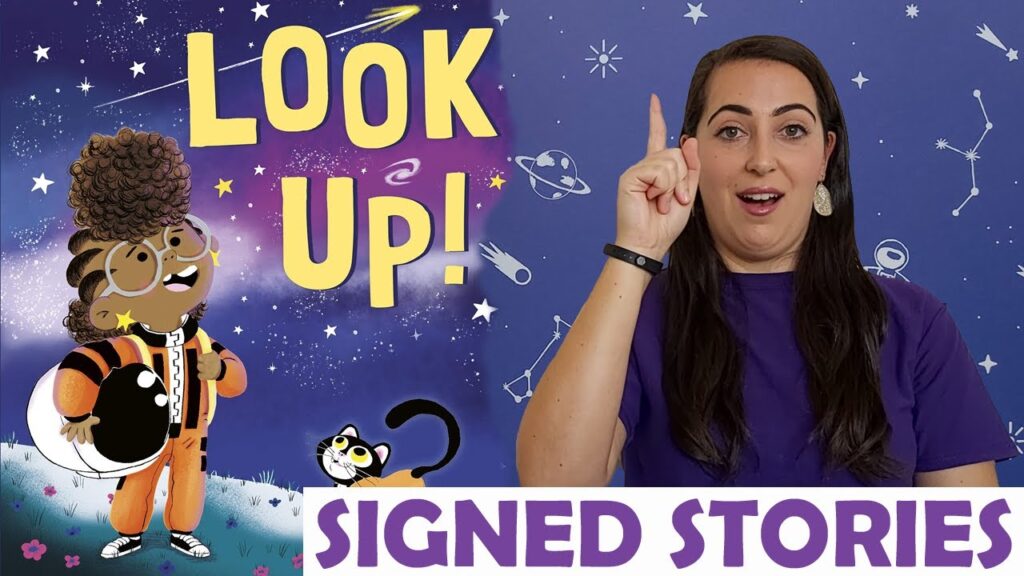
The sign for “narrative in BSL” is commonly used to discuss storytelling, narratives, or any form of communication that involves sharing experiences or events within the UK Deaf community. This sign highlights the importance of storytelling, a vital aspect of Deaf culture and identity.
How to Sign “Narrative” in BSL
- Start with your dominant hand in a flat shape (like a ‘B’ handshape) positioned at chest height slightly in front of you.
- Move your hand forward in a gentle arc, indicating the flow of the narrative.
- As you move your hand, use your facial expressions to convey emotion or emphasis related to the story being told; a raised eyebrow can indicate a question or surprise.
- Finish the movement by bringing your hand back to the starting position, showing the conclusion of the narrative.
- Remember to maintain eye contact with your audience throughout the signing to engage them effectively.
Common Mistakes
- Forgetting to use facial expressions, which can make the narrative less engaging.
- Not using the topic-comment structure, leading to unclear storytelling.
- Neglecting to use space effectively, which can result in a confusing narrative flow.
BSL vs ASL
In BSL, the sign for “narrative” incorporates a hand movement that represents the flow of the story, while ASL uses a different sign that may not involve a similar gesture. The emphasis on non-manual features and facial expressions is crucial in both sign languages, but the specific signs and their execution can differ significantly.
Related Signs
- Story – This sign represents a narrative or tale.
- Tell – Used when sharing information or recounting a story.
- Explain – This sign is used to clarify or elaborate on a narrative.
- Describe – Useful for giving detailed accounts within a narrative.
- History – Refers to past narratives and events.
Frequently Asked Questions
How can I use “narrative in BSL” in a sentence?
You can use it in a sentence like, “I want to share a narrative in BSL about my childhood.” This highlights the topic-comment structure typical in BSL.
Are there regional variations for this sign?
While the core sign remains consistent, some regions may have slight variations in movement or facial expressions. It’s beneficial to observe local signers.
What similar signs should I learn with “narrative”?
Learning signs like story and tell can enhance your ability to share narratives more effectively.
What tips do you have for learning this sign?
Practice in front of a mirror to observe your facial expressions and hand movements. Engage with the Deaf community to see how narratives are shared.
Can I use this sign in formal settings?
Yes, “narrative in BSL” is suitable for both formal and informal settings when discussing storytelling or sharing experiences.
How does storytelling differ in BSL culture?
Storytelling in BSL culture often involves rich visual language, facial expressions, and the use of space to create vivid imagery, making it a more engaging experience.
What is the importance of narratives in the Deaf community?
Narratives play a crucial role in preserving culture, sharing experiences, and fostering connections within the Deaf community.
Practice This Sign
Try signing Narrative In Bsl with your camera and get AI coaching on your handshape, movement, and location.
Free · No signup required