
Narrative Art in British Sign Language (BSL)
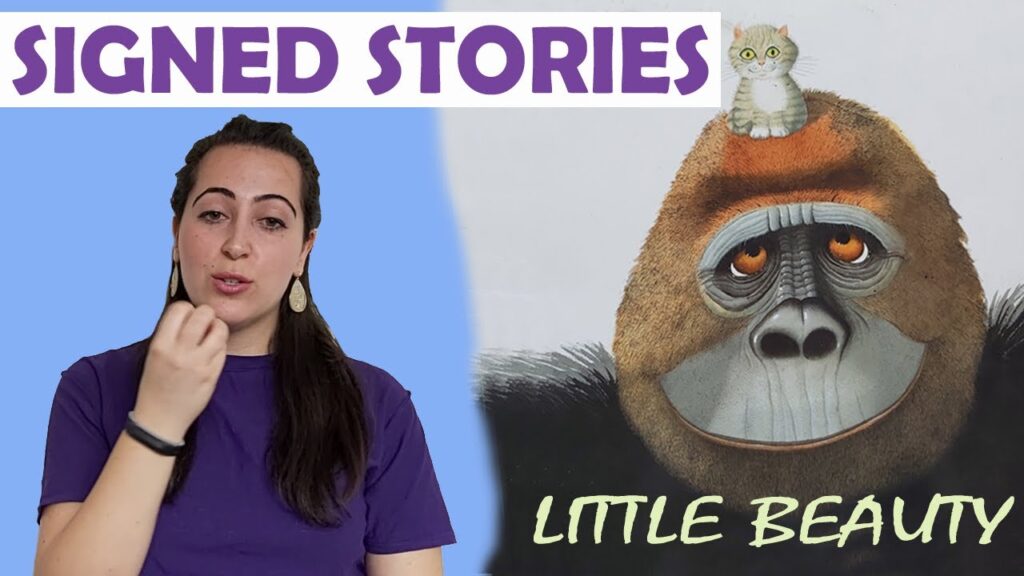
The sign for “narrative art in BSL” is used to describe storytelling through artistic expression within the Deaf community. This can include visual art forms that convey stories, emotions, and experiences unique to Deaf culture. It’s common in educational settings and discussions about art exhibitions.
How to Sign “Narrative Art” in BSL
- Start with your dominant hand in a flat, open position, palm facing down, at your chest level.
- Move your hand forward in a gentle arc, as if you are presenting an idea or concept.
- As your hand moves, raise your eyebrows to express interest and engage your audience.
- Next, use your non-dominant hand to mimic drawing or painting, moving it in a circular motion.
- Finish the sign by bringing your hands together in front of you, indicating the completion of the narrative.
Common Mistakes
- Forgetting to use non-manual features like facial expressions, which play a crucial role in conveying meaning.
- Using the wrong hand shape; ensure your dominant hand is flat during the initial sign.
- Not utilizing space effectively; remember that BSL relies on spatial awareness to provide context.
BSL vs ASL
In BSL, the sign for “narrative art” focuses more on the storytelling aspect and uses hand movements to create a visual representation. In contrast, ASL may emphasize different hand shapes or placements, reflecting cultural differences in how stories are expressed through art.
Related Signs
- Art – Refers to creative works in various forms.
- Story – Used to signify the act of telling a tale.
- Culture – Represents the shared customs and practices of a community.
- Expression – Signifying the act of conveying thoughts or emotions.
- Creative – Indicates creativity and artistic endeavors.
Frequently Asked Questions
How can I use “narrative art” in a BSL sentence?
You can say “I love narrative art” by signing “I” then “LOVE” followed by the sign for “NARRATIVE ART.”
Are there regional variations in this sign across the UK?
While the sign is generally consistent, some regions may have slight variations in movement or facial expression.
What are some similar signs I should know?
Signs like “story,” “art,” and “expression” are closely related and often used together in discussions about narrative art.
What tips do you have for learning this sign?
Practice in front of a mirror and pay attention to your facial expressions; they enhance the meaning of your signs.
Can I use this sign in formal settings?
Yes, this sign is appropriate for both informal and formal contexts, especially in discussions about art.
Is this sign commonly used in storytelling workshops?
Absolutely! It is frequently used in workshops focusing on narrative techniques and artistic expression within the Deaf community.
Practice This Sign
Try signing Narrative Art In Bsl with your camera and get AI coaching on your handshape, movement, and location.
Free · No signup required