
British Sign Language Interpreters – Complete Guide

British Sign Language interpreters are highly skilled professionals who enable communication between Deaf and hearing people. They translate spoken English into BSL and BSL into spoken English in real time, working across healthcare, legal, educational, and corporate settings. With a significant shortage across the UK, BSL interpreters play an essential role in ensuring Deaf people can access the services and opportunities available to everyone.
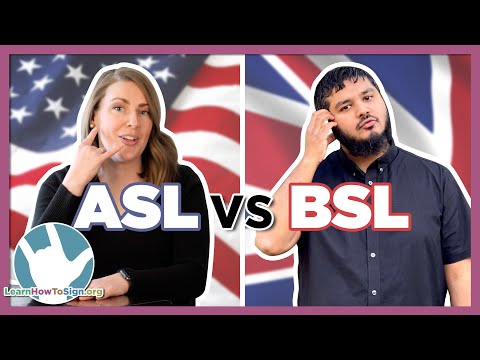
What British Sign Language Interpreters Do
BSL interpreters don’t simply convert words from English to BSL one by one. They interpret meaning, tone, and intent between two fundamentally different languages. BSL has its own grammar, syntax, and cultural conventions that differ from English. A skilled interpreter conveys the full meaning of communication in both directions, adapting for linguistic and cultural differences.
Interpreters work across every area of life. In medical settings, they translate diagnoses, treatment options, and medication instructions. In legal proceedings, they ensure Deaf defendants and witnesses fully understand and participate in the justice process. In education, they make lectures, seminars, and group discussions accessible to Deaf students.
Professional interpreters maintain strict neutrality. They don’t add opinions, filter information, or advocate for either party. Everything said by the hearing person is signed, and everything signed by the Deaf person is voiced. This impartiality is fundamental to the interpreter’s role and is enforced through the NRCPD code of conduct.
Confidentiality is absolute. Interpreters treat everything they encounter during assignments as strictly confidential. Whether interpreting a routine GP appointment or a sensitive legal matter, interpreters do not discuss assignment content with anyone. This confidentiality enables the trust that effective interpreting requires.
How to Find a BSL Interpreter
The NRCPD directory is the authoritative source for finding registered BSL interpreters. Search by location and specialism to find qualified professionals in your area. Only NRCPD-registered interpreters have been verified as meeting national standards for qualification, conduct, and continuing professional development.
BSL interpreting agencies maintain pools of vetted interpreters and handle booking logistics. Agencies match your needs with appropriate interpreters based on availability, specialism, and any preferences. Using a reputable agency saves time and provides quality assurance that independent searching may not offer.
For NHS appointments, contact the hospital or clinic’s communication support team. Most NHS trusts have established processes for booking BSL interpreters, often contracted through specific agencies. The responsibility and cost of providing an interpreter lies with the healthcare provider, not the Deaf patient.
In emergency situations, some services offer on-demand BSL interpreting via video link. While not ideal for all contexts, video remote interpreting provides immediate access to a BSL interpreter when an in-person interpreter cannot be arranged quickly enough.
Practice Makes Perfect
Test your sign language skills with our free practice app.
Working Effectively with an Interpreter
Speak directly to the Deaf person, not to the interpreter. Say “How are you feeling today?” rather than “Ask them how they’re feeling.” Maintain eye contact with the Deaf person while the interpreter signs your words. This direct communication style respects the Deaf person’s agency and creates a more natural interaction.
Speak at a normal pace. There’s no need to slow down dramatically or simplify your language for the interpreter. Professional interpreters are trained to handle natural speech speeds. However, avoid speaking while someone else is talking, as the interpreter can only convey one person’s communication at a time.
Allow extra time for interpreted sessions. The interpreting process naturally adds time to any interaction. A standard 15-minute medical appointment should be extended to 25 to 30 minutes when interpreted. For meetings, build in regular breaks, as sustained interpreting is cognitively demanding and quality drops after approximately 30 minutes without a pause.
Brief the interpreter before the session when possible. Sharing the agenda, key topics, specialist terminology, or background information helps the interpreter prepare. Five minutes of preparation time can significantly improve the quality and fluency of interpreting throughout the session.
The Interpreter Shortage and Its Impact
The UK faces a serious shortage of qualified BSL interpreters. The number of NRCPD-registered interpreters has not kept pace with growing demand, creating gaps in service provision that directly affect Deaf people’s access to healthcare, education, employment, and daily life.
The shortage leads to delayed appointments, cancelled procedures, and Deaf people attending important meetings without interpreting support. Some Deaf people avoid seeking medical help or legal advice because they cannot be confident an interpreter will be available. This is a significant equality issue with real consequences for Deaf people’s wellbeing and rights.
Training new interpreters is a long-term investment. The qualification pathway from beginner to registered interpreter takes six to ten years. While training capacity is expanding, it will take many years before the interpreter workforce meets current demand, let alone the increasing demand driven by the BSL Act 2022 and growing awareness.
Technology, including video relay services and remote interpreting, partially addresses the shortage by making existing interpreters more accessible across geographical boundaries. However, technology is a complement to, not a replacement for, in-person interpreting in many critical settings. Expanding the interpreter workforce remains the primary solution to the access challenges Deaf community members face daily.
Related Articles
Practice ASL Signs
Use your camera to practice signs and get real-time AI feedback on your technique.
Free · No signup required