
British Sign Language Course for Children

A British Sign Language course for children introduces young learners to visual communication in a fun, engaging way. Children are naturally receptive to learning new languages, and BSL is no exception. Whether your child is Deaf, has a Deaf family member, or simply wants to learn a new skill, a well-designed children’s BSL course builds communication abilities, empathy, and cultural awareness that last a lifetime.
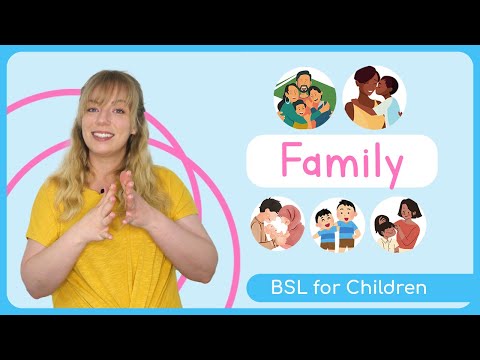
Benefits of BSL for Children
Learning BSL offers children cognitive benefits beyond communication skills. Research has shown that bilingual children, including those learning a signed language, demonstrate enhanced executive function, improved attention control, and greater cognitive flexibility. The visual-spatial nature of BSL engages different brain areas than spoken languages, creating additional neural pathways that support overall cognitive development.
For Deaf and hard-of-hearing children, access to a british sign language course for children is particularly important. The National Deaf Children’s Society emphasises that early language access — through BSL, English, or both — is critical for linguistic, social, and emotional development. Deaf children who acquire BSL early develop language skills on par with hearing children acquiring spoken language.
Hearing children benefit from BSL learning through increased empathy and inclusivity awareness. Understanding that people communicate in different ways fosters respect for diversity from a young age. Children who learn BSL are better equipped to include Deaf classmates and develop friendships that cross communication barriers.
BSL also supports children who have speech and language difficulties. Many speech and language therapists incorporate signing into their practice because visual communication can support language development even in hearing children. Signs provide an additional channel for expression when spoken language is developing slowly or is temporarily inaccessible. Children quickly learn signs like please, thank you, and hello, building social confidence.
How Children’s BSL Courses Are Taught
Children’s BSL courses use age-appropriate teaching methods that prioritise fun, engagement, and active participation. Games, songs, stories, and visual activities form the core of children’s BSL instruction. Young learners absorb language best through play and repetition, and quality children’s courses are designed around these principles.
For younger children aged three to seven, BSL lessons often incorporate movement, action songs, and picture-based activities. Signs are taught through themes that interest children — animals, colours, foods, family members, and favourite activities. Sessions are typically shorter than adult classes, lasting thirty to sixty minutes to match younger attention spans.
Older children aged eight to twelve can handle more structured learning. Courses for this age group may follow a simplified version of the Signature curriculum, introducing the manual alphabet, basic vocabulary, and simple conversational exchanges. Activities still emphasise interaction and games but include more explicit language instruction.
Teenagers can often join adult beginner courses or take dedicated youth programmes. Some providers offer BSL as a GCSE-equivalent or enrichment activity for secondary school students. At this age, learners can engage with Deaf culture, language structure, and more sophisticated conversational skills alongside vocabulary building.
Practice Makes Perfect
Test your sign language skills with our free practice app.
Finding a BSL Course for Your Child
Local Deaf organisations and charities are often the best source of children’s BSL courses. Many Deaf clubs and community groups run youth programmes, holiday workshops, and after-school BSL sessions. These Deaf-led programmes provide children with authentic language input from native BSL users and early exposure to Deaf culture.
Community centres, libraries, and leisure centres sometimes host children’s BSL workshops, particularly during school holidays. These introductory sessions are usually low-cost or free and give children a taste of BSL before committing to a longer course. Check local event listings and community noticeboards for upcoming opportunities.
Some private BSL tutors specialise in teaching children. They can offer one-to-one or small group sessions tailored to your child’s age, interests, and learning pace. Private tuition is especially valuable for families with Deaf children who need intensive, personalised BSL instruction. Ask for recommendations from local Deaf organisations or parent support groups.
Online children’s BSL courses have become more available in recent years. Video-based platforms offer animated or child-friendly BSL lessons that young learners can access from home. While in-person interaction is ideal for language learning, online resources provide valuable supplementary practice and can introduce children to BSL when local courses are unavailable.
Supporting Your Child’s BSL Learning at Home
The most powerful thing you can do is learn BSL alongside your child. When the whole family signs, BSL becomes a natural part of home life rather than an isolated activity. Use signs at mealtimes, during daily routines, and in play. Children thrive when they see adults modelling the language they are learning.
Incorporate BSL into everyday activities. Label items around the house with their BSL signs, use signs during storytime, and practise the alphabet together. Make fingerspelling a game — spell out words during car journeys or at the dinner table. Regular, low-pressure exposure helps children internalise signs naturally.
Use age-appropriate BSL resources at home. Children’s BSL books, flashcard sets, and apps designed for young learners provide engaging practice material. Look for resources that feature real BSL rather than invented gestures, and check that the content is produced by or in consultation with Deaf BSL users. Learning signs for favourite things like cat, dog, and everyday objects keeps children motivated.
Connect your child with Deaf peers if possible. Deaf children’s clubs, inclusive playgroups, and signed story sessions at libraries provide social settings where your child can use BSL with others. These interactions build communication skills and create friendships that reinforce the value and purpose of BSL learning.
BSL in Schools and Education
BSL is gaining recognition within the UK education system. Some primary and secondary schools offer BSL as a language option, an extracurricular activity, or part of their PSHE curriculum. The campaign for BSL to be available as a GCSE subject has garnered widespread support, and progress continues toward making BSL a mainstream curriculum option.
Schools with Deaf pupils often provide BSL support through teaching assistants, communication support workers, or specialist Deaf education staff. If your child attends a school with Deaf students, enquire about BSL learning opportunities that promote inclusion and peer communication.
Deaf schools and resource bases within mainstream schools offer immersive BSL environments for Deaf children. These settings provide education through BSL, ensuring Deaf children have full access to the curriculum in their natural language. Parents considering these options should visit schools, meet the Deaf staff, and assess the BSL environment firsthand.
Advocating for BSL in your child’s school can benefit the entire school community. If BSL is not currently offered, speak with the headteacher about introducing taster sessions, Deaf awareness weeks, or BSL clubs. Schools that embrace BSL create more inclusive environments where all children learn to value diverse communication methods and build bridges with the Deaf community.
Practice ASL Signs
Use your camera to practice signs and get real-time AI feedback on your technique.
Free · No signup required