
BSL for Children in British Sign Language (BSL)

The sign “BSL for children” is used to refer to British Sign Language that is specifically tailored for young learners. This sign is often used in educational settings, workshops, and resources aimed at teaching children how to communicate effectively using BSL. It reflects the importance of making sign language accessible and engaging for children within the UK Deaf community.
How to Sign “Bsl For Children” in BSL
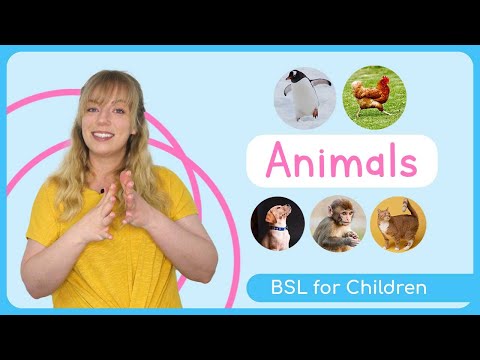
- Start with your dominant hand in a flat handshape (palm facing down) and place it in front of your chest.
- Move your hand forward a short distance while simultaneously bending your elbow, bringing your hand close to your body.
- Next, use your non-dominant hand to form a ‘C’ shape and place it under your dominant hand.
- Finally, nod your head slightly to emphasize the importance of the sign, while maintaining a friendly facial expression.
Common Mistakes
- Forgetting to use the ‘C’ handshape for “children,” which can lead to confusion.
- Not using facial expressions, which are crucial for conveying meaning in BSL.
- Incorrectly positioning the hands, which can change the intended meaning of the sign.
BSL vs ASL
The sign for “BSL for children” differs significantly from American Sign Language (ASL). In ASL, the sign may involve different handshapes and movements that do not directly correlate with the BSL sign. It’s essential to understand these differences if you’re learning both sign languages.
Related Signs
- 1 – The sign for the number one.
- 10 – The sign for the number ten.
- 100 – The sign for the number one hundred.
- 11 – The sign for the number eleven.
- 12 – The sign for the number twelve.
Frequently Asked Questions
How can I use “BSL for children” in a sentence?
You might say, “I teach BSL for children to help them communicate better.”
Are there regional variations for this sign?
While the sign is generally consistent, some variations may exist in different areas of the UK.
What are some similar signs?
Similar signs include “BSL” and “children,” which can be combined for clarity.
Do you have tips for learning this sign?
Practice in front of a mirror to check your hand shapes and facial expressions!
Can I use this sign with hearing children?
Yes! It’s a great way to introduce sign language to hearing children as well.
Why is facial expression important in BSL?
Facial expressions convey tone and emotion, adding meaning to your signs.
Practice ASL Signs
Use your camera to practice signs and get real-time AI feedback on your technique.
Free · No signup required