
Yoghurt in Australian Sign Language (Auslan)
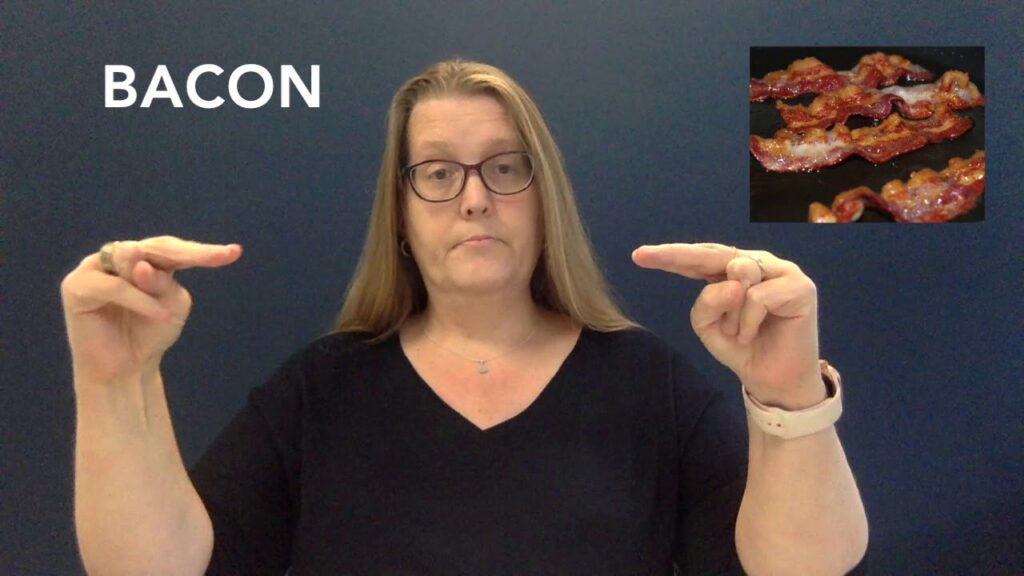
The sign for “yoghurt” in Auslan represents a popular dairy product enjoyed by many. You’ll often use this sign in conversations about food, snacks, or healthy eating. It’s a great way to express your preferences or share what you like to eat!
Table of Contents
How to Sign “Yoghurt”

- Start with your dominant hand in a flat “B” handshape (palm facing down).
- Position your hand near your mouth, about a few inches away.
- Make a small circular motion with your hand, moving it gently around.
- While signing, maintain a relaxed and engaging facial expression to convey enjoyment.
Common Mistakes
One common mistake is not using the correct handshape; some learners might use a different shape, which can change the meaning. Another mistake is making the circular motion too large—keeping it small and subtle is key. Lastly, forgetting to include facial expressions can make the sign feel less expressive and engaging.
Related Signs
- 1 – The sign for the number one.
- 1 Dollar – The sign for one dollar, often used in shopping contexts.
- 10 – The sign for the number ten.
- 100 – The sign for one hundred, useful in financial discussions.
- 11 – The sign for the number eleven.
Using “Yoghurt” in Everyday Conversations
Incorporating the sign for “Yoghurt” into your conversations can enhance your communication, especially in social settings or while discussing food. Here are some example sentences that illustrate how to use this sign naturally:
- “I bought some yoghurt at the shop.” (SIGN: I SHOP YOGHURT BUY)
- “Do you like fruit yoghurt?” (SIGN: YOU LIKE FRUIT YOGHURT?)
- “Let’s have yoghurt for dessert tonight.” (SIGN: TONIGHT DESSERT YOGHURT HAVE)
These scenarios might arise during meal planning with friends, chatting about grocery shopping, or discussing preferences in a food-related conversation. The sign for “Yoghurt” can seamlessly fit into discussions about health, snacks, or breakfast options.
Cultural Notes
The sign for “Yoghurt” holds a special place within the Australian Deaf community, often reflecting the importance of food and shared meals in Deaf culture. Food is a common topic for social gatherings, and discussing favourite snacks like yoghurt can create connections among friends and family. There may be slight variations in the sign for “Yoghurt” between northern and southern dialects in Auslan, though these differences are generally minor. For example, some may emphasize the roundness of the container more than others, reflecting regional habits or preferences.
Tips for Learning This Sign
To effectively learn and remember the sign for “Yoghurt,” consider these practical tips:
- Mirror Practice: Stand in front of a mirror while practicing the sign. This helps you refine your movements and ensure that your handshape and positioning are correct.
- Observe Non-Manual Features: Pay attention to facial expressions and body language that accompany the sign. Non-manual features can enhance the meaning and context of what you’re signing.
- Use It in Short Sentences: Incorporate the sign into everyday conversations. The more you use “Yoghurt” in context, the more naturally it will come to you.
By applying these techniques, you can build your confidence in using the sign for “Yoghurt” and enhance your overall Auslan communication skills.
Frequently Asked Questions
How can I use “yoghurt” in a sentence?
You might say, “I love yoghurt” by signing “I” (point to yourself) + “love” (cross your arms over your chest) + “yoghurt” (sign as described).
Are there regional variations for this sign?
What are some similar signs?
Similar signs include “ice cream,” “cheese,” and “milk,” which all involve dairy products but have different handshapes and movements.
How does this sign compare to BSL?
In BSL, the sign for “yoghurt” may differ significantly, reflecting different cultural contexts and hand movements. It’s interesting to see the variations!
Any tips for teaching this sign?
Encourage learners to practice with a partner and use facial expressions to convey enjoyment. Role-playing food-related scenarios can also help reinforce learning.
Practice This Sign
Try signing Yoghurt In Auslan with your camera and get AI coaching on your handshape, movement, and location.
Free · No signup required