
Ice Cream in Australian Sign Language (Auslan)
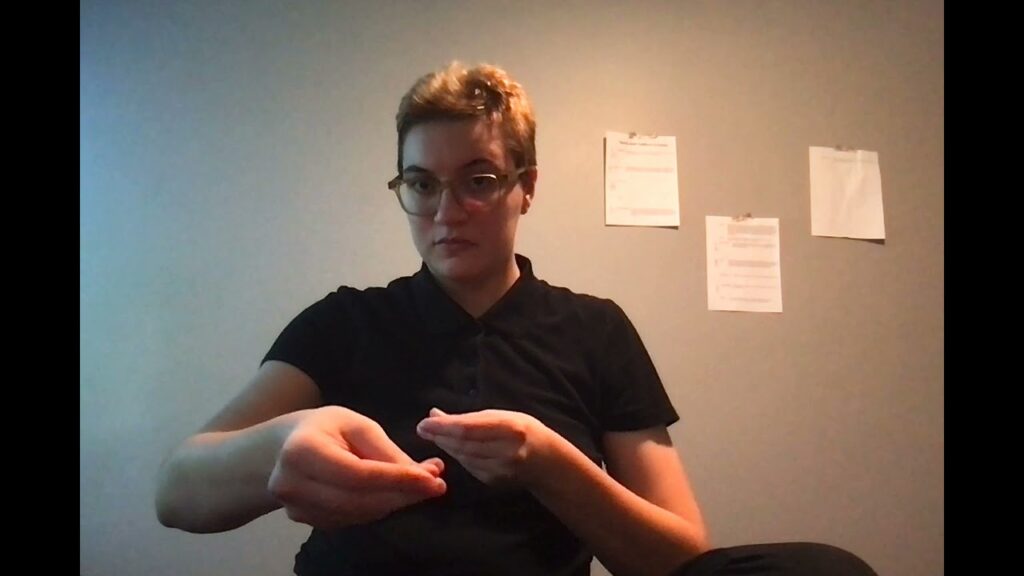
The sign for “ice cream” in Auslan represents the delicious treat that many enjoy, especially during hot weather. It’s commonly used when talking about desserts, treats, or outings to ice cream shops. This sign can evoke happy memories or plans for indulging in a sweet delight.
Table of Contents
How to Sign “Ice Cream”

- Start with your dominant hand in the shape of a flat “C”. This will represent the cone of the ice cream.
- Position your hand slightly below your chin to indicate where you would hold the ice cream cone.
- With your non-dominant hand, shape it into a fist, representing the scoop of ice cream.
- Place the fist on top of the “C” hand, ensuring that it looks like the scoop is sitting on the cone.
- As you hold this position, smile to convey enjoyment and enthusiasm for the ice cream.
Common Mistakes
- Forgetting to use facial expressions, which are essential in Auslan to convey emotion.
- Holding the signs too far from the body, making it unclear what the sign represents.
- Using a flat hand instead of the “C” shape for the cone, which can lead to confusion with other signs.
Related Signs
- 1 – The sign for the number one, often used in various contexts.
- 1 Dollar – Signifying a single dollar, useful in shopping contexts.
- 10 – The sign for the number ten, frequently used in counting.
- 100 – Representing the number one hundred, applicable in financial discussions.
- 11 – The sign for eleven, useful in various counting scenarios.
Using “Ice Cream” in Everyday Conversations
The sign for “Ice Cream” is often used in delightful contexts, particularly when discussing treats or outings. Here are a few example sentences that illustrate how to incorporate this sign into everyday conversations:
- I want ice cream. (I WANT ICE CREAM)
- Do you have ice cream? (YOU HAVE ICE CREAM?)
- Let’s go get ice cream after dinner. (AFTER DINNER, WE GO ICE CREAM)
You might find yourself using the sign when chatting with friends about dessert plans, during family outings to an ice cream shop, or when planning a picnic where ice cream is on the menu.
Cultural Notes
In the Australian Deaf community, enjoying ice cream is not just about the treat itself but also about shared experiences and social gatherings. Ice cream often features in celebrations, such as birthdays or community events, bringing people together. There are no significant dialect variations for the sign “Ice Cream” between northern and southern Australia; however, regional expressions may influence how you discuss favorite flavors or local ice cream shops. Understanding these cultural contexts enriches the meaning behind the sign and enhances communication within the community.
Tips for Learning This Sign
To effectively learn and remember the sign for “Ice Cream,” consider the following practical strategies:
- Mirror Practice: Stand in front of a mirror and practice the sign while observing your own movements. This helps reinforce muscle memory.
- Watch for Non-Manual Features: Pay attention to facial expressions and body language when practicing. These non-manual features add meaning and context to the sign.
- Use in Short Signed Sentences: Incorporate “Ice Cream” into brief sentences throughout your day. For instance, when out shopping, sign your preferences or ask others about their favorites.
These techniques will not only help you remember the sign but also increase your confidence in using it in various contexts.
Frequently Asked Questions
Can you use “ice cream” in a sentence?
Yes! For example, you can say, “I want ice cream” by signing “I” + “want” + “ice cream.”
Are there regional variations for this sign?
While the basic sign for ice cream is generally consistent, some regions may have slight variations in handshape or movement.
Is there a similar sign for “gelato”?
Yes, you can modify the “ice cream” sign by emphasizing the texture or type of dessert if you wish to specify gelato.
How does this sign compare to BSL?
In BSL, the sign for ice cream is different in both handshape and movement, highlighting the uniqueness of each sign language.
What are some tips for teaching this sign?
Encourage learners to practice with props like an actual ice cream cone to connect the sign with real-life experiences.
Practice This Sign
Try signing Ice Cream In Auslan with your camera and get AI coaching on your handshape, movement, and location.
Free · No signup required