
Validation in Australian Sign Language (Auslan)
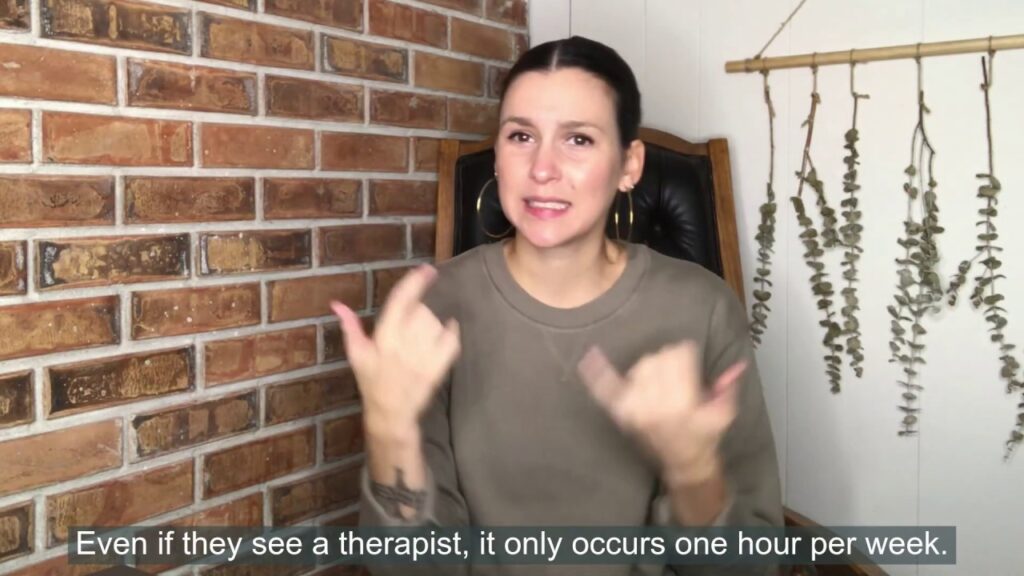
The sign for “validation in Auslan” conveys the concept of affirming someone’s feelings, experiences, or identity. It is often used in contexts where support and acknowledgment are needed, such as conversations about mental health, personal experiences, or when someone seeks understanding. This sign is a way to show empathy and connection within the Deaf community.
Table of Contents
How to Sign “Validation”
- Start with your dominant hand in a flat handshape (like a “B” handshape) with your palm facing inward.
- Position your hand near your heart, with your fingertips just above your chest.
- Move your hand slightly outward from your body, maintaining the flat handshape, as if you are gently offering something to the person in front of you.
- As you make this movement, maintain a warm and inviting facial expression to emphasize the supportive nature of the sign.
Common Mistakes
- Some learners forget to use a warm facial expression, which can make the sign seem less sincere.
- Misplacing the starting position of the hand; ensure it starts near the heart for the most impact.
- Using a clenched fist instead of a flat handshape, which changes the meaning of the sign.
Related Signs
- 1 – The sign for the number one, often used in various contexts.
- 1 Dollar – Represents the currency; useful in financial discussions.
- 10 – Another number sign, frequently used in counting or lists.
- 100 – Represents the number one hundred, commonly used in various contexts.
- 12 – The sign for the number twelve, often used in discussions involving time or dates.
Using “Validation” in Everyday Conversations
The sign “Validation” is often used in contexts where someone seeks affirmation or acknowledgment of their feelings or experiences. Here are a few examples of how it might come up in everyday conversations:
-
Example 1: “My friend said my feelings are valid.”
Auslan sign order: FRIEND MY FEELINGS VALID.This can occur in a discussion about emotional support, where someone is sharing their experiences and looking for reassurance.
-
Example 2: “I need validation for my ideas.”
Auslan sign order: I NEED VALIDATION MY IDEAS.This might come up in a professional setting, where an individual is seeking affirmation from colleagues about their contributions.
-
Example 3: “The therapist gave me validation.”
Auslan sign order: THERAPIST ME VALIDATION GAVE.This situation typically arises in conversations about mental health and the importance of receiving validation from healthcare professionals.
Cultural Notes
The concept of “Validation” holds special significance in the Australian Deaf community, where affirming one’s identity and experiences is crucial. Validation is not just about acknowledgment; it reflects a deep respect for individual experiences and promotes mental well-being. In many social settings, Deaf individuals share stories and seek validation from one another, highlighting the importance of community support.
There can be subtle dialect variations in Auslan across different regions of Australia. For instance, some Northern regions may incorporate slight variations in handshape or facial expressions when signing “Validation,” whereas Southern regions might have a more standardized approach. Being aware of these regional differences can enhance communication and foster a sense of connection.
Tips for Learning This Sign
To effectively learn and remember the sign for “Validation,” consider the following practical tips:
- Mirror Practice: Stand in front of a mirror while practicing the sign. This helps you observe your handshape and movements, ensuring you’re signing accurately.
- Watch for Non-Manual Features: Pay attention to facial expressions and body language when signing “Validation.” These non-manual features can enhance the meaning and impact of your sign.
- Use in Short Sentences: Incorporate “Validation” into brief signed sentences with familiar contexts. For example, practice signing about personal experiences or feelings where validation is relevant. This will help reinforce your memory of the sign.
Regular practice and engagement with the Deaf community will further deepen your understanding of the sign and its usage.
Frequently Asked Questions
How can I use “validation in Auslan” in a sentence?
You might say, “I want to give you validation,” using the sign to show your support.
Are there regional variations of this sign?
While the basic sign remains consistent, some regional dialects may have slight variations in movement or facial expressions.
What are some similar signs?
Signs like “support,” “understanding,” and “acknowledge” share themes of empathy and connection with “validation in Auslan.”
How does this compare with BSL (British Sign Language)?
While the concepts are similar, the signs for validation differ in BSL. Learning both can enhance communication across communities.
What are some teaching tips for this sign?
Practice in pairs to observe facial expressions and hand movements, reinforcing the emotional aspect of the sign.
Practice This Sign
Try signing Validation In Auslan with your camera and get AI coaching on your handshape, movement, and location.
Free · No signup required