
Variable Type in Australian Sign Language (Auslan)
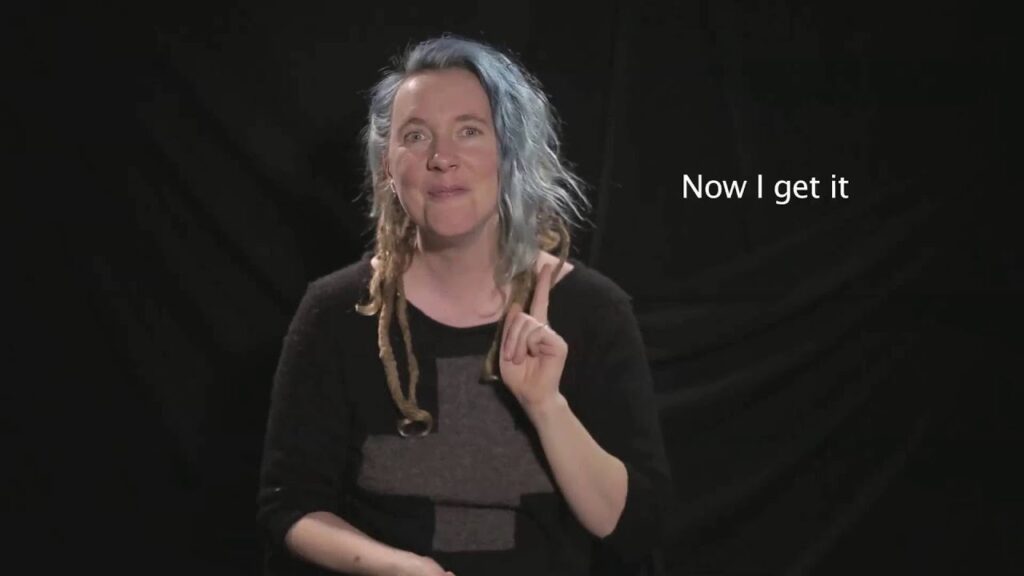
The sign for “variable type in Auslan” refers to the various categories or types of variables used in programming and mathematics. This sign is commonly used in educational settings, particularly in discussions about coding, data types, and computational concepts. Understanding this sign can enhance communication in technical conversations among Deaf individuals.
Table of Contents
How to Sign “Variable Type”
- Start with your dominant hand in a “V” shape, fingers pointing upwards.
- Position your hand in front of your chest, with your palm facing towards you.
- Move your hand slightly outwards while simultaneously bending your wrist, creating a waving motion to indicate the concept of variability.
- Maintain a neutral facial expression or add a slight nod to show understanding of the concept.
Common Mistakes
- Using a flat hand instead of the “V” shape, which can change the meaning.
- Not moving the hand enough during the waving motion, making it unclear.
- Forgetting to maintain appropriate facial expressions, which are essential for conveying context in ASL.
Related Signs
- 1 – The sign for the number one.
- 1 Dollar – The sign for one dollar in currency.
- 10 – The sign for the number ten.
- 100 – The sign for the number one hundred.
- 12 – The sign for the number twelve.
Using “Variable Type” in Everyday Conversations
The sign “Variable Type” is often used in discussions around programming, mathematics, or any context where variable types are relevant. Here are a few example sentences to illustrate its use:
- Example 1: “I learned about variable type in coding class.” (SIGN: I LEARN VARIABLE-TYPE CODING CLASS)
- Example 2: “Can you explain what a variable type is?” (SIGN: YOU EXPLAIN VARIABLE-TYPE?)
- Example 3: “Different programming languages have different variable types.” (SIGN: DIFFERENT PROGRAMMING-LANGUAGE VARIABLE-TYPE DIFFERENT)
These sentences can come up naturally in conversations among students in technology courses, programming meetups, or even casual discussions among friends who share an interest in coding.
Cultural Notes
In the Australian Deaf community, “Variable Type” is more than just a technical term; it reflects the growing interest in technology and digital literacy among Deaf individuals. The sign is commonly used in educational settings, particularly in TAFE and university courses focusing on IT and computer science. While the sign itself may remain consistent, there can be variations in how it is expressed in different regions of Australia. For example, some northern regions may have subtle differences in facial expressions or hand positioning compared to southern regions, reflecting local signing nuances. Engaging with local Deaf communities can enhance understanding of these variations.
Tips for Learning This Sign
To effectively learn and remember the sign “Variable Type,” try these practical tips:
- Mirror Practice: Stand in front of a mirror while signing. This helps you see your hand shapes and facial expressions, ensuring they match the intended sign.
- Watch for Non-Manual Features: Pay attention to facial expressions and body language that accompany the sign. These are crucial for conveying meaning in Auslan.
- Use it in Short Signed Sentences: Create simple sentences using “Variable Type” and practice signing them in context. This reinforces your understanding and helps with retention.
Integrating these strategies into your practice will not only improve your signing skills but also make learning engaging and enjoyable.
Frequently Asked Questions
Can you use this sign in a sentence?
Yes, you might say, “In programming, a variable type is important,” while signing “variable type in Auslan.”
Are there regional variations for this sign?
Yes, some regions may have slight variations in movement or handshape, so it’s good to observe local usage.
What are similar signs to this?
Signs for specific variable types like “integer” or “string” may be used in similar contexts.
How does this compare to BSL?
There are differences in signs and handshapes between ASL and BSL, so it’s essential to learn the specific signs for each language.
Any tips for teaching this sign?
Encourage students to practice in pairs and provide feedback on their hand shapes and movements to enhance learning.
Can this sign be used in other contexts?
While mainly used in tech discussions, its concept can apply to other fields that discuss variability.
Practice This Sign
Try signing Variable Type In Auslan with your camera and get AI coaching on your handshape, movement, and location.
Free · No signup required