
Variable in Australian Sign Language (Auslan)
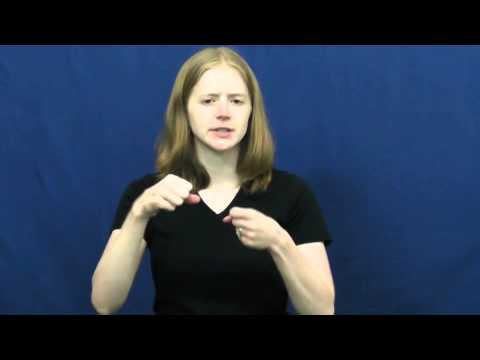
The sign for “variable in Auslan” is used to express the concept of variability or changeability. This sign is often used in discussions about mathematics, programming, or general contexts where something can change or differ over time. Understanding this sign helps in conveying ideas related to flexibility and adaptability.
Table of Contents
How to Sign “Variable”
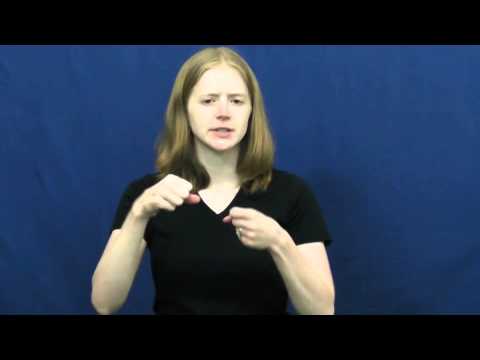
- Start with your dominant hand in a “V” shape (index and middle fingers extended, other fingers curled in).
- Position your hand in front of your chest at about shoulder height.
- Move your hand slightly side to side while maintaining the “V” shape, indicating change.
- Facial expression should be neutral, but you can raise your eyebrows slightly to emphasize variability.
Common Mistakes
- Some learners forget to use the “V” shape, using a flat hand instead, which can change the meaning.
- Not moving the hand side to side enough can make the sign less clear; the movement is key to conveying variability.
- Inconsistent facial expressions may lead to confusion, as facial expressions are important in ASL for conveying tone and emphasis.
Related Signs
- 1 – Sign for the number one.
- 10 – Sign for the number ten.
- 100 – Sign for the number one hundred.
- 12 – Sign for the number twelve.
- 15 – Sign for the number fifteen.
Using “Variable” in Everyday Conversations
The sign “Variable” is often used in discussions about mathematics, science, or even in everyday situations where things change frequently. Here are a couple of example sentences to illustrate its use:
- Math context: “In math, variable different value.” (In Auslan sign order: “Math variable different value.”)
- Weather discussion: “Weather variable today.” (In Auslan sign order: “Weather variable today.”)
These situations highlight how “Variable” can naturally fit into conversations about topics where change and difference are key concepts. Whether discussing school subjects or everyday life, using “Variable” can help convey the idea of change effectively.
Cultural Notes
In the Australian Deaf community, the concept of “Variable” can extend beyond its mathematical definition, reflecting the dynamic nature of Deaf culture itself. The word may be used to describe how sign language is used differently across various contexts and among different individuals. For instance, while Auslan is the primary sign language, variations can occur between northern and southern dialects. Signers from different regions may have unique ways of expressing “Variable,” influenced by local signs and cultural nuances.
Understanding these variations helps appreciate the rich tapestry of communication within the Deaf community, fostering deeper connections and respect for individual differences.
Tips for Learning This Sign
To effectively learn and remember the sign “Variable,” consider these practical tips:
- Mirror Practice: Use a mirror to practice the sign while watching your own movements. This helps ensure accuracy in handshape and placement.
- Focus on Non-Manual Features: Pay attention to facial expressions and body language when signing “Variable.” Non-manual features can enhance the meaning and context.
- Incorporate into Short Sentences: Use “Variable” in simple sentences throughout your day. For example, practice saying “My mood variable today” or “The price variable.” This will help solidify the sign in your memory.
Consistent practice in real-life contexts will help you feel more comfortable and confident using “Variable” in conversations.
Frequently Asked Questions
How can I use “variable” in a sentence?
You might say, “The variable in the equation changes the outcome,” using the sign for “variable” to emphasize its importance.
Are there regional variations for this sign?
Yes, some regions may have slight variations in hand shape or movement, so it’s good to learn from local Deaf communities.
Are there similar signs to “variable”?
Yes, signs like “change” or “flexible” convey related meanings and can be used in similar contexts.
How does this compare to BSL?
While the concept is similar, the sign for “variable” in BSL may differ in hand shape and movement, highlighting the unique aspects of each sign language.
What tips do you have for teaching this sign?
Encourage learners to practice the movement in front of a mirror to ensure they capture both the hand shape and the facial expressions accurately.
Practice This Sign
Try signing Variable In Auslan with your camera and get AI coaching on your handshape, movement, and location.
Free · No signup required