
Keepsake in Australian Sign Language (Auslan)
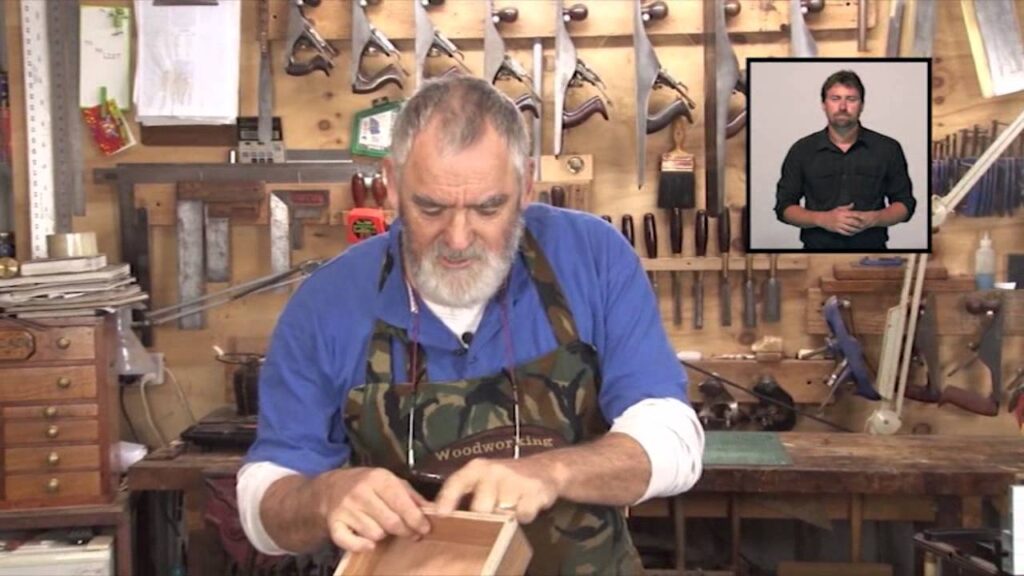
The sign for “keepsake” in Auslan represents a cherished item or memento that holds sentimental value. It is often used when discussing memories, gifts, or items that have special significance to someone. Whether reminiscing about a treasured birthday gift or a family heirloom, this sign helps convey the emotional connection to that item.
Table of Contents
How to Sign “Keepsake”
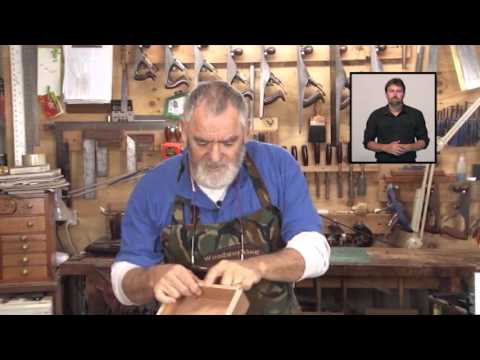
- Start with your dominant hand in a flat handshape (like a “B” hand) and hold it palm up in front of you at chest level.
- With your non-dominant hand, form a fist and place it on top of your dominant hand, as if you are cradling something precious.
- Gently lift the non-dominant fist upward while slightly curving the dominant hand, conveying the idea of holding and cherishing the keepsake.
- Maintain a soft expression on your face, reflecting the warmth and sentiment associated with the keepsake.
Common Mistakes
- Forgetting to use facial expressions, which are crucial for conveying the emotional context of the sign.
- Using a rigid handshape instead of the flat handshape, which may lead to confusion with other signs.
- Not lifting the non-dominant hand enough to show the act of cherishing the keepsake.
Related Signs
- 1 – The sign for the number one.
- 1 Dollar – The sign for one dollar, often used in financial contexts.
- 10 – The sign for the number ten.
- 100 – The sign for one hundred, useful in discussions about quantities.
- 11 – The sign for the number eleven.
Using “Keepsake” in Everyday Conversations
The sign “Keepsake” can be a meaningful addition to everyday conversations, especially when discussing memories, gifts, or sentimental items. Here are a few example sentences that illustrate its use:
- Friend 1: “I found my grandmother’s necklace, it’s a special keepsake.”
(Friend 1 signs “I” + “GRANDMOTHER” + “NECKLACE” + “FIND” + “KEEPSAKE” + “SPECIAL”) - Friend 2: “What keepsake do you have from your trip?”
(Friend 2 signs “WHAT” + “TRIP” + “KEEPSAKE” + “YOU” + “HAVE”) - Parent: “This photo album is a keepsake of your childhood.”
(Parent signs “PHOTO ALBUM” + “KEEPSAKE” + “YOUR” + “CHILDHOOD”)
These examples show how “Keepsake” naturally fits into discussions about personal treasures and memories, making it a versatile sign for various contexts.
Cultural Notes
The concept of a keepsake holds significant cultural importance in the Australian Deaf community, where personal stories and shared experiences often shape relationships. Keepsakes are more than just objects; they represent connections to family, friends, and vital moments in life. This cultural perspective encourages the sharing of memories through storytelling, which is an integral part of Deaf culture.
In terms of dialect variations, while the sign for “Keepsake” remains consistent across Australia, some Northern and Southern Deaf communities may have unique ways of incorporating non-manual features or facial expressions that add emotional depth to the sign. Observing these nuances can enhance understanding and communication.
Tips for Learning This Sign
Practicing the sign “Keepsake” in various ways can help solidify your understanding and usage. Here are some effective methods:
- Mirror Practice: Stand in front of a mirror and practice the sign. This allows you to observe your movements and ensure they match the correct form.
- Focus on Non-Manual Features: Pay attention to your facial expressions and body language while signing. Emphasizing emotions can make your signing more impactful.
- Use in Short Signed Sentences: Create simple sentences that incorporate “Keepsake.” For example, practice by signing about personal items that hold meaning for you.
By incorporating these practices into your learning routine, you can enhance your signing skills and deepen your connection with the Auslan community.
Frequently Asked Questions
How can I use “keepsake” in a sentence?
You might say, “This necklace is a keepsake from my grandmother,” using the sign to emphasize its sentimental value.
Are there regional variations for this sign?
While the core sign may remain the same, nuances can vary by region or community, so always observe local usage.
What is a similar sign to “keepsake”?
The sign for “gift” may be similar, but it focuses more on the act of giving rather than the sentimental value associated with a keepsake.
How does this sign compare to BSL?
In British Sign Language (BSL), the sign for “keepsake” may differ, reflecting unique cultural expressions and sign language structure.
What tips do you have for teaching this sign?
Encourage learners to connect emotionally with the concept of a keepsake, using personal stories to enrich their understanding and expression.
Practice This Sign
Try signing Keepsake In Auslan with your camera and get AI coaching on your handshape, movement, and location.
Free · No signup required