
Kernel in Australian Sign Language (Auslan)

The sign for “kernel” in Auslan refers to the seed or grain of a plant, particularly when discussing food, agriculture, or cooking. This sign is often used in conversations about corn, grains, or even in discussions about nutrition. It’s a useful sign to know when engaging in discussions that involve food or farming.
Table of Contents
How to Sign “Kernel”
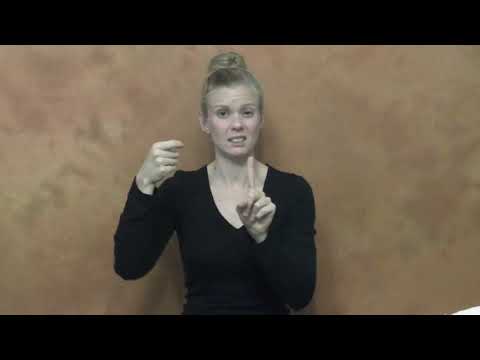
- Start with your dominant hand in a flat handshape, fingers extended and together.
- Position your hand in front of your mouth, palm facing towards you.
- Use a gentle downward movement while slightly bending your fingers, mimicking the action of pinching or squeezing.
- Maintain a neutral facial expression, or you may choose to show interest or enthusiasm depending on the context of your conversation.
Common Mistakes
- Forgetting to use a flat handshape; some learners may use a fist, which changes the meaning.
- Not incorporating facial expressions, which are important for conveying tone and context in Auslan.
- Rushing the movement, making it difficult for the sign to be understood clearly.
Related Signs
- 1 – The sign for the number one.
- 100 – The sign for one hundred.
- 12 – The sign for the number twelve.
- 10 – The sign for the number ten.
- 15 – The sign for the number fifteen.
Using “Kernel” in Everyday Conversations
The sign for “Kernel” is often used in discussions about food, cooking, and agriculture. Here are a few example sentences that demonstrate how to incorporate this sign into everyday conversations:
- “I love popcorn, the kernel is my favourite part!” (Me popcorn love, kernel favourite part!)
- “Do you know how to grow corn from a kernel?” (You know how grow corn from kernel?)
- “The farmer showed us the different types of kernel.” (Farmer show us different types kernel.)
You might encounter the sign when discussing recipes, gardening, or even during casual conversations about movies where popcorn is featured. Using “Kernel” in these contexts makes your signing more relevant and engaging.
Cultural Notes
In the Australian Deaf community, the sign for “Kernel” is not only about the literal meaning related to food; it can also symbolize the importance of agriculture and sustainable practices within the community. The Deaf community in Australia often emphasizes the value of local produce and understanding where food comes from, making discussions around “kernel” particularly significant. While there may be some dialectical variations in Auslan, the sign for “Kernel” has a fairly consistent form across the country. However, it’s always a good idea to learn from local Deaf individuals to appreciate any regional nuances.
Tips for Learning This Sign
To effectively learn and remember the sign for “Kernel,” consider the following tips:
- Mirror Practice: Stand in front of a mirror while practicing the sign. This allows you to see your handshape and movement while ensuring you have the right facial expressions.
- Focus on Non-Manual Features: Pay attention to your facial expressions and body language, as they are crucial in Auslan. Using expressions that convey enthusiasm when signing “Kernel” can help reinforce its meaning.
- Use in Short Sentences: Integrate the sign into brief, everyday sentences. Practice with a friend or fellow learner to make it a natural part of your conversations.
Consistent practice in these varied ways will help solidify your understanding and use of the sign “Kernel” in Auslan.
Frequently Asked Questions
How do I use “kernel” in a sentence?
You can say, “I love the kernel of corn,” by signing “I” + “love” + “kernel” + “corn.”
Are there regional variations for this sign?
While the sign is generally consistent, some regions may have slight variations in movement or facial expressions.
What are some signs similar to “kernel”?
Signs like “grain” or “seed” may be similar in context, but each has its own distinct sign.
How does “kernel” compare to BSL?
In BSL, the sign for “kernel” is different, highlighting the unique aspects of each language.
What tips do you have for teaching this sign?
Encourage learners to practice in context, using food-related scenarios to reinforce understanding.
Practice This Sign
Try signing Kernel In Auslan with your camera and get AI coaching on your handshape, movement, and location.
Free · No signup required