
Railings in Australian Sign Language (Auslan)
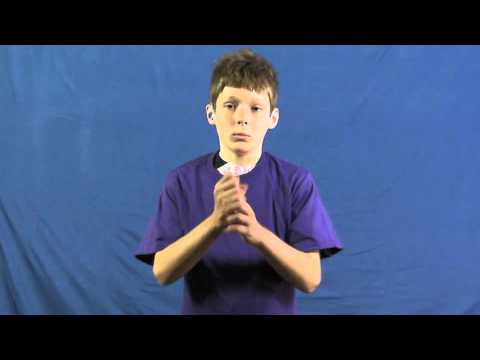
The sign for “railings” in Auslan refers to the barriers commonly found on staircases, balconies, or walkways to provide safety and support. This sign is particularly useful in conversations about architecture, home design, or safety features in public places.
Table of Contents
How to Sign “Railings”
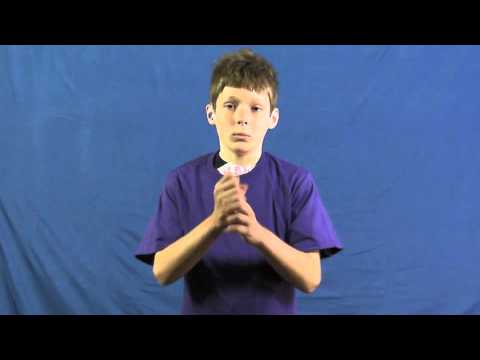
- Start with both hands in a flat “B” handshape (palm facing down).
- Position your hands a little apart at waist level.
- Move your hands outward simultaneously, as if indicating the length of a railing.
- Maintain a neutral facial expression or slightly raise your eyebrows to emphasize the action.
Common Mistakes
- Forgetting to keep the hands parallel to each other, which can lead to confusion about the sign.
- Using a closed fist instead of a flat “B” handshape, which changes the meaning entirely.
- Not using appropriate facial expressions, which can make the sign less clear or engaging.
Related Signs
- 1 – The sign for the number one.
- 100 – The sign for the number one hundred.
- 10 – The sign for the number ten.
- 11 – The sign for the number eleven.
- 12 – The sign for the number twelve.
Using “Railings” in Everyday Conversations
The sign for “railings” can come up in various everyday situations, especially when discussing safety, architecture, or outdoor activities. Here are a few example sentences that illustrate how to use the sign naturally:
- “The railings by the stairs are broken.” – This might come up during a casual conversation about home repairs or safety concerns.
- “Can you hold onto the railings while walking?” – This could be used when advising someone about safety in public spaces like parks or buildings.
- “I love the design of those railings at the café.” – This example highlights a discussion about aesthetics in architecture during a social outing.
Cultural Notes
In the Australian Deaf community, the sign for “railings” reflects not just a physical object but also a shared understanding of accessibility and safety. Railings are often discussed in the context of navigating spaces, which is crucial for many Deaf individuals, particularly those who may use wheelchairs or have mobility challenges. While the sign for “railings” is largely consistent across Australia, there can be slight variations in handshape or movement based on regional dialects. In the northern regions, for example, some users might emphasize a more exaggerated movement, while southern users may keep the sign more subtle.
Tips for Learning This Sign
To effectively learn and remember the sign for “railings,” consider these practical tips:
- Mirror Practice: Stand in front of a mirror while practicing the sign. This allows you to see your handshape and movement clearly, helping you refine your technique.
- Watch for Non-Manual Features: Pay attention to facial expressions and body posture when using the sign. These non-manual features add meaning and context to your signing.
- Use in Short Signed Sentences: Incorporate the sign into short, everyday sentences. This will help you remember the sign and its context more effectively, making it easier to recall during conversations.
Frequently Asked Questions
Can you use “railings” in a sentence?
Yes! For example, “The railings on the stairs are very sturdy.”
Are there regional variations for this sign?
Some regions may have slight variations in handshape or movement, but the basic concept remains the same.
Is there a similar sign for “fence”?
Yes, the sign for “fence” involves a similar handshape but usually includes a different movement to indicate a boundary.
How does this compare to BSL?
While BSL has its own sign for “railings,” the handshapes and movements may differ significantly from Auslan.
What are some teaching tips for this sign?
Practice with a partner to ensure clarity, and focus on maintaining the correct handshape throughout the sign.
Practice This Sign
Try signing Railings In Auslan with your camera and get AI coaching on your handshape, movement, and location.
Free · No signup required