
Salad Lettuce in Australian Sign Language (Auslan)
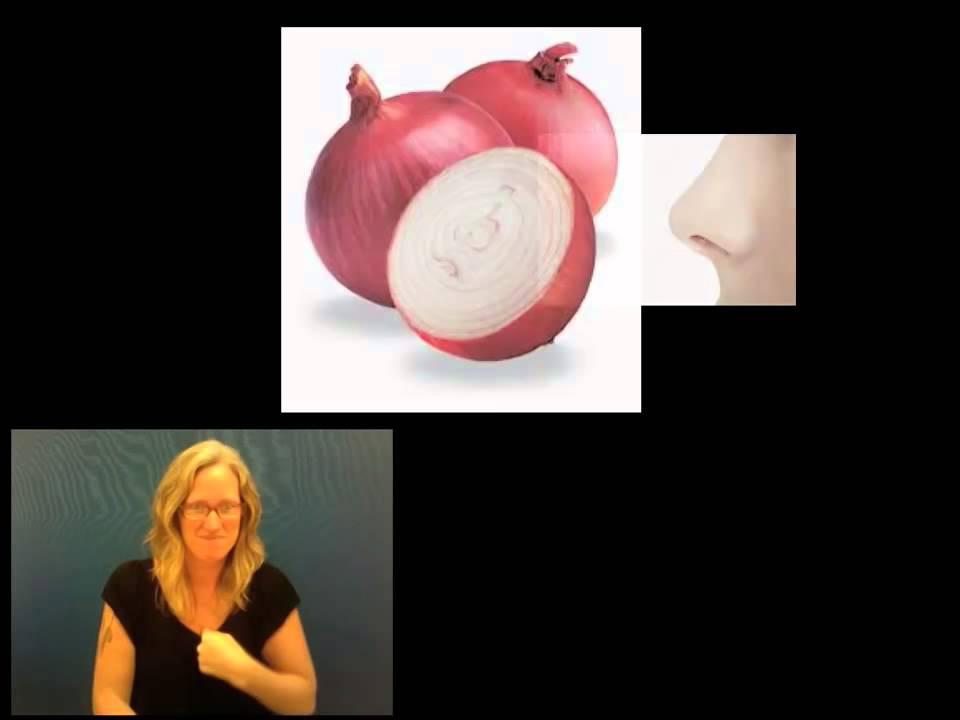
The sign for “salad lettuce” in Auslan represents the type of leafy green commonly used in salads. This sign is useful in conversations about food, cooking, or when discussing healthy eating options. It’s a great way to express your culinary preferences with friends and family.
Table of Contents
How to Sign “Salad Lettuce”
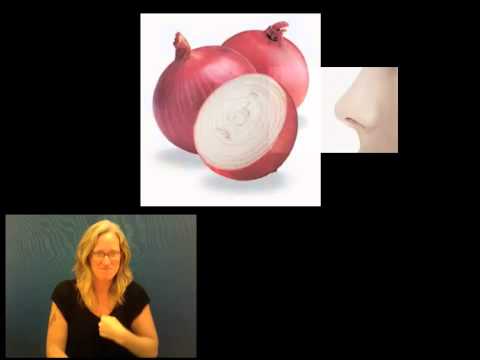
- Start with your dominant hand in a flat “B” shape (palm facing down).
- Position your hand near your mouth, as if you are about to take a bite.
- Move your hand slightly outward from your mouth while maintaining the flat “B” shape.
- As you move your hand away, slightly bend your fingers to create a more relaxed hand shape, resembling the leafy texture of lettuce.
- Use a friendly facial expression to convey enjoyment or enthusiasm about the salad lettuce.
Common Mistakes
- Some learners may mistakenly use a fist instead of the flat “B” handshape, which can change the meaning of the sign.
- Not moving the hand away from the mouth can make the sign unclear, as the action of moving signifies the concept of eating or enjoying the lettuce.
- Forgetting to include facial expressions can lead to a lack of clarity in conveying enthusiasm about the food topic.
Related Signs
- Lettuce – A general sign for lettuce without the salad context.
- Salad – The sign for salad itself.
- Vegetable – A broader term that includes all types of vegetables.
- Food – Used to talk about meals in general.
- Eat – The action of consuming food.
Using “Salad Lettuce” in Everyday Conversations
The sign for “Salad Lettuce” is commonly used in conversations about food, cooking, and healthy eating. Here are a few example sentences that illustrate how to incorporate this sign into everyday dialogue:
- “I want to make a salad with lettuce.” (I WANT MAKE SALAD SALAD-LETTUCE)
- “Do you have any fresh salad lettuce?” (YOU HAVE FRESH SALAD-LETTUCE?)
- “Let’s buy salad lettuce at the market.” (LET’S BUY SALAD-LETTUCE MARKET)
These examples show typical scenarios where discussing ingredients for meals arises, such as at home, during grocery shopping, or while planning a picnic with friends. Using “Salad Lettuce” in these contexts helps to enrich conversations about food and nutrition.
Cultural Notes
In the Australian Deaf community, food plays a significant role in social gatherings, and discussing what to prepare is common. The sign for “Salad Lettuce” is not just about the vegetable itself but also reflects a culture of sharing meals and connecting with others. Within different regions of Australia, while the sign remains generally consistent, there may be slight variations in the way it is performed due to northern and southern dialect differences. For instance, some users may incorporate more facial expressions or body movements in warmer regions, reflecting the relaxed culture surrounding food and community gatherings.
Tips for Learning This Sign
To effectively learn and remember the sign for “Salad Lettuce,” consider these practical tips:
- Mirror Practice: Stand in front of a mirror and practice the sign. This helps you see your own movements and compare them with the correct formation.
- Watch for Non-Manual Features: Pay attention to facial expressions and body language while signing. These non-manual features are crucial for conveying meaning and emotion.
- Use in Short Signed Sentences: Incorporate “Salad Lettuce” into brief sentences when communicating with others. The more you use it in context, the easier it becomes to remember.
These methods will reinforce your learning and help you feel more confident in using “Salad Lettuce” as part of your Auslan vocabulary.
Frequently Asked Questions
Can you use “salad lettuce” in a sentence?
Yes! For example, you can say, “I love salad lettuce” by signing “I” + “love” + “salad lettuce.”
Are there regional variations for this sign?
While the sign is generally understood, some regions may have slight variations in handshape or movement.
Are there similar signs for other foods?
Yes! There are specific signs for many foods. Check out related signs like lettuce and salad.
How does this sign compare to BSL?
British Sign Language may have different signs for food items; it’s important to learn the local variations if you’re using BSL.
What are some teaching tips for this sign?
Practice with a group for feedback and encourage using facial expressions to enhance understanding.
Practice This Sign
Try signing Salad Lettuce In Auslan with your camera and get AI coaching on your handshape, movement, and location.
Free · No signup required