
Food in Australian Sign Language (Auslan)

The sign for “food” in Auslan is a fundamental sign that represents nourishment and meals. It’s commonly used in various contexts, such as discussing meals, grocery shopping, or sharing what you enjoy eating. This sign is essential for everyday communication, especially in social settings or when planning gatherings.
Table of Contents
How to Sign “Food In Auslan“
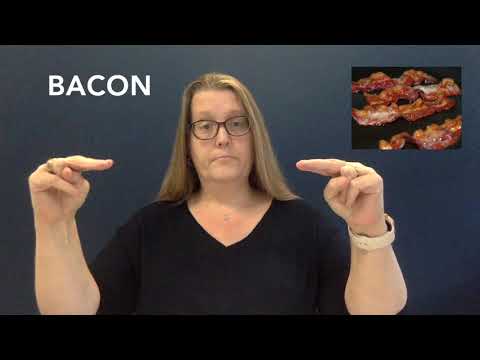
- Start with your dominant hand open, fingers together and extended.
- Bring your hand to your mouth, making sure your fingertips are near your lips.
- Gently touch your fingers to your lips, then move your hand slightly away from your mouth while keeping the same handshape.
- Maintain a friendly expression on your face to emphasize the context of sharing or enjoying food.
Common Mistakes
- Forgetting to maintain the correct handshape; using a closed fist instead of an open hand.
- Moving the hand too far away from the mouth, which can confuse the meaning.
- Not using facial expressions, which are crucial for conveying emotions and context in sign language.
Related Signs
- #Auslan Latest – Stay updated with the latest signs in the Auslan community.
- – Hello How Are You – A common greeting sign to initiate conversation.
- 0 In Auslan – The sign for zero, useful in various counting contexts.
- 1 – The sign for the number one, foundational in learning numbers.
- 1 Dollar – A specific sign for discussing currency in conversations.
Using “Food” in Everyday Conversations
The sign for “Food” is a fundamental part of daily communication in Auslan, especially in contexts involving meals, cooking, and social gatherings. Here are a few example sentences that illustrate how to incorporate this sign naturally:
- “I want food.” (I WANT FOOD)
- “What food do you like?” (WHAT FOOD YOU LIKE?)
- “Let’s eat food together.” (LET’S EAT FOOD TOGETHER)
These sentences might come up naturally during meal planning with friends, discussing dietary preferences, or inviting someone to share a meal. Using “Food” in these contexts not only helps convey your message but also fosters a sense of community and connection within conversations.
Cultural Notes
The sign for “Food” holds a special place in the Australian Deaf community, reflecting the importance of communal meals and social gatherings. Food is often a central aspect of Deaf culture, where sharing a meal can signify friendship and belonging. This is seen during community events, potlucks, and family gatherings where food serves as a bridge for social interaction.
In terms of dialect variations, while the sign for “Food” remains consistent across Australia, some regional differences might influence the speed or fluidity of the sign depending on the local community’s signing style. It’s always beneficial to observe and adapt to the sign variations used by local Deaf individuals to foster better communication.
Tips for Learning This Sign
Here are some practical ways to practice and remember the sign for “Food”:
- Mirror Practice: Use a mirror to practice the sign. This visual feedback helps improve your accuracy and confidence in forming the sign.
- Watch for Non-Manual Features: Pay attention to facial expressions and body language, which are essential in Auslan. For example, a smile can indicate enjoyment when discussing favourite foods.
- Use in Short Sentences: Incorporate the sign into short, everyday sentences. Practicing phrases like “I like food” or “Where is food?” helps reinforce your learning in practical contexts.
Regular practice and engagement with the community will enhance your skills and deepen your understanding of how to use “Food” effectively in conversations.
Frequently Asked Questions
How can I use “food” in a sentence?
You can say, “I want food,” by signing “I” (pointing to yourself) followed by the sign for “food.”
Are there regional variations for this sign?
What are some similar signs?
Signs like “drink” or “snack” share similar handshapes but have distinct movements to convey different meanings.
How does this compare to BSL?
While BSL and Auslan share similarities, the sign for “food” differs in handshape and movement in BSL.
Any teaching tips for beginners?
Encourage practice in front of a mirror to develop confidence in hand shape and facial expressions.
Practice ASL Signs
Use your camera to practice signs and get real-time AI feedback on your technique.
Free · No signup required