
Salat in Australian Sign Language (Auslan)
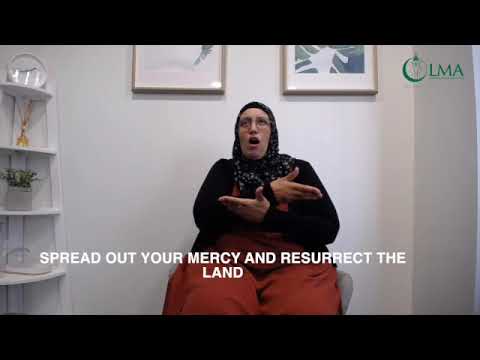
The sign for “salat” in Auslan refers to the Muslim practice of prayer, which is an important ritual in Islamic culture. This sign is often used in conversations about religion, cultural practices, and spiritual discussions. It can be used in various contexts, such as during educational discussions or when sharing experiences related to faith.
Table of Contents
How to Sign “Salat”
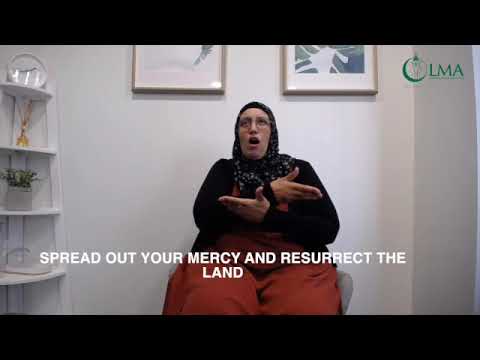
- Start with your dominant hand in a flat handshape, fingers extended and together.
- Position your hand at chest level, palm facing towards you.
- As you begin to sign, move your hand forward slightly while maintaining the flat handshape.
- Simultaneously, raise your eyebrows to indicate focus and intention, showing the importance of the action.
- End the movement with your hand slightly away from your chest, maintaining the flat handshape throughout.
Common Mistakes
- Forgetting to maintain facial expressions that reflect the seriousness of the sign.
- Using a closed fist instead of a flat handshape, which can change the meaning.
- Rushing the movement; the sign should be performed with deliberate intent.
Related Signs
- 1 – The sign for the number one.
- 1 Dollar – A sign representing one dollar.
- 10 – The sign for the number ten.
- 100 – The sign indicating one hundred.
- 11 – The number eleven sign.
Using “Salat” in Everyday Conversations
The sign for “Salat” can be seamlessly incorporated into various conversations, particularly in contexts relating to religion, food, or cultural practices. Here are a few example sentences that illustrate its use:
- “I love to prepare Salat for my family during Ramadan.”
- “What type of Salat do you prefer at the community gathering?”
- “Salat is a significant part of our cultural identity.”
These sentences would typically arise in discussions about meals shared during religious observances or gatherings. Using the sign in such contexts not only enhances communication but also fosters a deeper connection with the cultural significance of the dish.
Cultural Notes
In the Australian Deaf community, the sign “Salat” holds both linguistic and cultural value. It represents not just a dish but also the shared experiences of those who partake in it during significant occasions. The connection to cultural identity is particularly strong in communities with a high population of Deaf individuals from diverse backgrounds, including those with Middle Eastern heritage.
While regional variations in Auslan can exist, the sign for “Salat” remains consistent across both northern and southern dialects. However, some signs may evolve slightly in different contexts, reflecting local influences and community practices. Engaging with local Deaf communities can provide insight into these subtle differences and enhance understanding.
Tips for Learning This Sign
Practicing the sign for “Salat” can be made easier with a few effective techniques:
- Mirror Practice: Stand in front of a mirror while practicing the sign. This helps you to see your hand shapes and facial expressions, which are crucial in Auslan.
- Observe Non-Manual Features: Pay attention to the facial expressions that accompany the sign. These features convey meaning and emotion, enhancing your understanding of the sign’s context.
- Use in Short Sentences: Incorporate “Salat” into simple, everyday sentences. For instance, practice saying, “Tonight, I will make Salat” while signing. This reinforces memory and builds fluency.
By integrating these strategies into your learning routine, you can become more comfortable and confident in using the sign for “Salat” in conversation.
Frequently Asked Questions
Can you use “salat” in a sentence?
Yes! For example, “I perform salat five times a day” can be signed as “I salat 5 times daily.”
Are there regional variations for this sign?
Yes, some regions may have slight variations in handshape or movement, but the general concept remains the same.
Is there a sign similar to “salat” in BSL?
Yes, BSL has a sign for prayer, which may look different but conveys a similar meaning.
What are some teaching tips for this sign?
Encourage students to practice facial expressions to convey the significance of the sign and to perform it with the correct handshape.
Can “salat” be used in non-religious contexts?
While it primarily refers to Islamic prayer, it can also be part of broader discussions about spirituality or cultural practices.
How does “salat” relate to other signs in Auslan?
It connects with signs related to religion, spirituality, and cultural practices, enriching conversations about these topics.
Practice This Sign
Try signing Salat In Auslan with your camera and get AI coaching on your handshape, movement, and location.
Free · No signup required