
Rainfall in Australian Sign Language (Auslan)

The sign for “rainfall” in Auslan captures the essence of rain coming down from the sky. This sign is commonly used in weather discussions, storytelling, and when describing the environment. It’s a great way to express changes in weather conditions or to set the scene for a conversation.
Table of Contents
How to Sign “Rainfall”
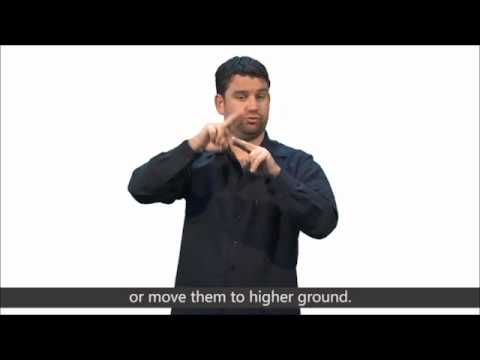
- Start with both hands open and fingers spread wide, palms facing down.
- Position your hands at shoulder height, slightly apart, to represent clouds.
- Gently move your hands downward in a wavy motion, mimicking the flow of raindrops falling.
- As you move your hands, slightly bend your knees and lean forward to enhance the visual effect of rain.
- Maintain a relaxed facial expression, perhaps with raised eyebrows, to convey the lightness of rainfall.
Common Mistakes
- Some learners may forget to use both hands, leading to a less expressive sign.
- Not incorporating the downward movement, which is essential for conveying the action of rainfall.
- Using a stiff posture instead of a relaxed one can make the sign appear unnatural.
Related Signs
- 1 – The sign for the number one.
- 10 – The sign for the number ten.
- 100 – The sign for the number one hundred.
- 12 – The sign for the number twelve.
- 16 – The sign for the number sixteen.
Using “Rainfall” in Everyday Conversations
The sign for “Rainfall” can be seamlessly integrated into various conversations, especially those related to weather, nature, or outdoor activities. Here are a few example sentences where this sign might come up:
- Weather Discussion: “Rainfall today will be heavy.” (Sign: RAINFALL TODAY HEAVY)
- Outdoor Plans: “I will stay inside if there’s rainfall.” (Sign: I STAY INSIDE IF RAINFALL)
- Gardening Talk: “The plants love the rainfall.” (Sign: PLANTS LOVE RAINFALL)
These examples highlight how the sign can be used in everyday conversations about weather forecasts, personal plans, and nature appreciation. Engaging in these discussions helps to reinforce the sign’s meaning and application.
Cultural Notes
In the Australian Deaf community, weather-related signs like “Rainfall” are not just practical; they also reflect the cultural connection to the environment. The way we communicate about weather can vary by region, with some Deaf individuals incorporating local dialects or unique signs influenced by their surroundings. For instance, in northern Australia, where rainfall patterns differ significantly from the south, you may encounter variations in how “Rainfall” is signed, often reflecting the local climate and community experiences.
Understanding these nuances can enrich your learning experience and help you connect more deeply with the community.
Tips for Learning This Sign
Practicing the sign for “Rainfall” effectively can enhance your retention and fluency. Here are some tips to help you learn and remember it:
- Mirror Practice: Stand in front of a mirror while practicing the sign. This allows you to self-correct your movements and ensure clarity.
- Watch for Non-Manual Features: Pay attention to facial expressions and body language while signing. These non-manual features can provide context and enhance understanding.
- Use in Context: Try incorporating “Rainfall” into short signed sentences during conversations with friends or in practice sessions. This contextual usage strengthens your memory and comfort with the sign.
By regularly engaging with the sign in various contexts, you will build confidence and fluency in your Auslan communication.
Frequently Asked Questions
How can I use “rainfall” in a sentence?
You might say, “It started to rainfall during our picnic,” by signing “picnic” followed by “rainfall.”
Are there regional variations for the sign?
Yes, some regions may have slight variations in the movement or handshape, so it’s helpful to learn from local Deaf community members.
Are there similar signs for other weather conditions?
Yes, signs for “snow” or “storm” have distinct movements and handshapes. Each one conveys different weather phenomena.
How does this compare to BSL signs?
While there may be similarities, BSL has its own unique signs for “rain” and “rainfall,” highlighting the differences between sign languages.
What are some teaching tips for this sign?
Encourage learners to practice in front of a mirror to see their movements and expressions, ensuring they capture the feeling of rainfall.
Can I combine this sign with others?
Absolutely! You can combine “rainfall” with signs for “sun,” “cloud,” or “wind” to create a more detailed weather description.
Practice This Sign
Try signing Rainfall In Auslan with your camera and get AI coaching on your handshape, movement, and location.
Free · No signup required