
Rain in Australian Sign Language (Auslan)
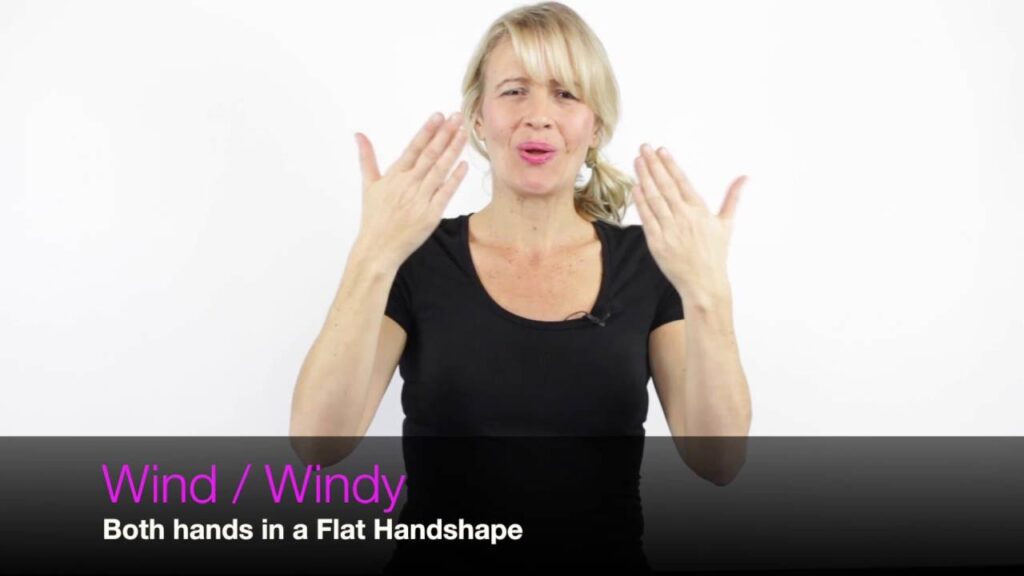
“Rain” in Auslan conveys the idea of precipitation descending from the heavens. Frequently incorporated into dialogues concerning weather, nature, and outdoor pursuits, this sign enhances your vocabulary, particularly when engaging in discussions about seasonal changes.
Table of Contents
How to Sign “Rain”
- Start with both hands in a loose “5” handshape, fingers spread apart.
- Position your hands above your head, with palms facing down.
- Bring your hands downward in a soft, fluttering motion, mimicking the falling of raindrops.
- As you perform the movement, slightly bend your knees and lean forward to enhance the visual effect.
- Maintain a neutral or pleasant facial expression to convey the idea of rain gently falling.
Common Mistakes
- Forgetting to use both hands, which can make the sign less visually clear.
- Using a stiff handshape instead of a loose “5,” which may not effectively show the softness of falling rain.
- Not incorporating facial expressions, which are essential in Auslan to convey emotion and context.
Related Signs
- Snow – Represents snow falling from the sky.
- Sunny – Sign for sunny weather.
- Wind – Indicates windy conditions.
- Cloud – Represents clouds in the sky.
- Storm – Sign for stormy weather.
Using “Rain” in Everyday Conversations
The sign for “Rain” is versatile and can be integrated into various everyday conversations. Here are a few example sentences that illustrate its use:
-
Weather discussion: “Today rain fall.” (Today it is raining.)
This sentence might come up when chatting with friends about the current weather, especially if you’re planning an outdoor activity.
-
Planning events: “Next week rain?” (Will it rain next week?)
You might use this when discussing upcoming plans, such as a picnic or a sports event, to check if the weather will cooperate.
-
Sharing experiences: “Yesterday rain, enjoy!” (It rained yesterday, I enjoyed it!)
This can be used in conversations about past events, perhaps when reminiscing about how the rain brought joy or relaxation.
Cultural Notes
In the Australian Deaf community, the sign for “Rain” not only represents the weather phenomenon but also holds cultural significance. Rain is often appreciated for its role in nourishing the land and is tied to many traditional stories and practices. In agricultural contexts, discussions around rain can evoke strong emotions and community connections, as it directly impacts farming and local ecosystems.
Dialect variations can exist, particularly between Northern and Southern Deaf communities. While the core sign remains widely understood, some might have unique regional signs or variations in the intensity or motion used when signing “Rain.” Engaging with local Deaf individuals can enhance understanding of these nuances.
Tips for Learning This Sign
Practicing the sign for “Rain” effectively can enhance retention and fluency. Here are some concrete ways to practice:
- Mirror Practice: Stand in front of a mirror and practice the sign while watching your hand movements and facial expressions. This will help ensure that your signing is clear and accurate.
- Focus on Non-Manual Features: Pay attention to your facial expressions while signing “Rain.” A relaxed face can convey a calm rainy day, while a more animated expression can reflect a heavy downpour.
- Use in Short Sentences: Create short sentences incorporating “Rain” in various contexts. Practice these with a friend or fellow learner to build confidence and fluency.
Regularly using the sign in conversation will help reinforce your learning and make it a natural part of your Auslan vocabulary.
Frequently Asked Questions
How can I use “rain” in a sentence?
You can say, “It is raining today,” by signing “RAIN” followed by the sign for “TODAY.”
Are there regional variations for this sign?
What is a similar sign to “rain”?
The sign for “snow” is similar, but instead of a downward flutter, you would use a more delicate downward motion with your fingers close together.
How does “rain” compare in BSL?
In British Sign Language (BSL), the sign for “rain” also involves hand movements, but the specific gestures and handshapes differ from Auslan.
Any tips for teaching this sign?
Encourage learners to exaggerate the movement and facial expressions to make the sign clearer and more engaging.
Can I use this sign for different types of rain?
Yes, you can modify the hand movement to indicate light rain versus heavy rain, enhancing the sign’s meaning.
Practice This Sign
Try signing Rain In Auslan with your camera and get AI coaching on your handshape, movement, and location.
Free · No signup required