
Rain Down in Australian Sign Language (Auslan)
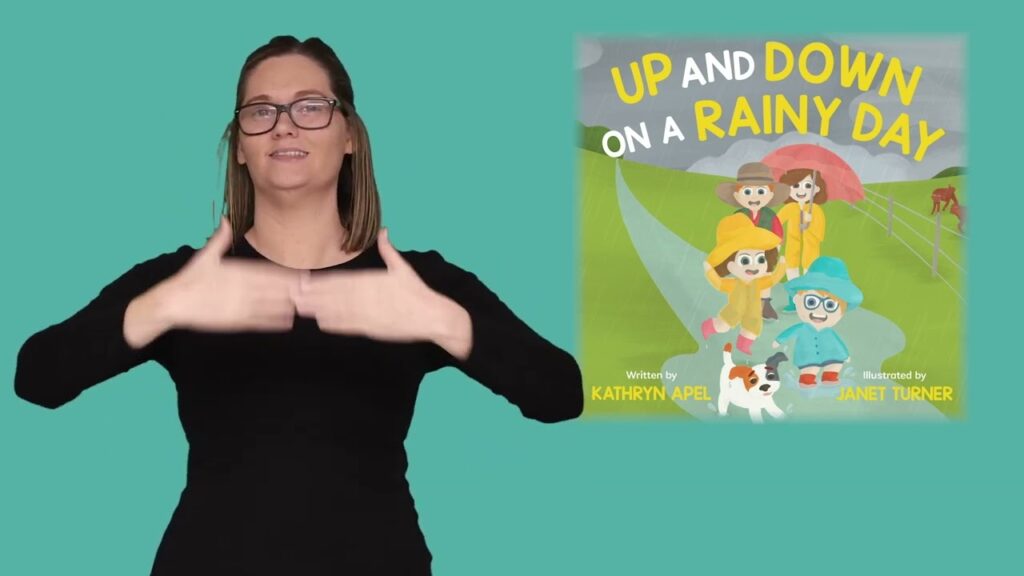
Representing the natural phenomenon of rain falling from the sky, “rain down” in Auslan is frequently used in discussions about weather, nature, or when expressing feelings of sadness or overwhelm, akin to the heaviness of rain. This sign effectively conveys the essence of rain cascading down.
Table of Contents
How to Sign “Rain Down”
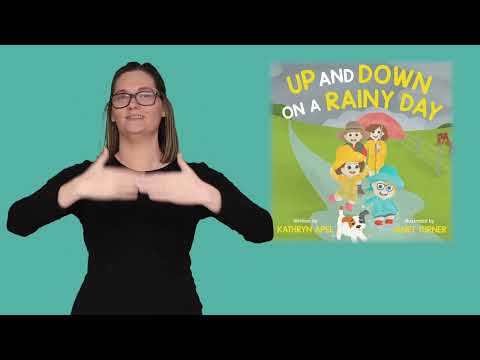
- Start with both hands open, palms facing down, fingers slightly spread apart.
- Position your hands above your head, about shoulder-width apart.
- Slowly move your hands downward, maintaining the open hand shape, simulating the motion of rain falling.
- As you bring your hands down, your facial expression should reflect the mood of the sign—soft and gentle for light rain, or more intense for heavy rain.
Common Mistakes
- Using a fist instead of an open hand, which can change the meaning of the sign.
- Moving the hands too quickly, which may not accurately represent the gentle nature of rain.
- Not coordinating facial expressions, which are important for conveying emotion in Auslan.
Related Signs
- 1 – The sign for the number one.
- 1 Dollar – The sign for one dollar in currency.
- 10 – The sign for the number ten.
- 100 – The sign for one hundred.
- 11 – The sign for the number eleven.
Using “Rain Down” in Everyday Conversations
The sign “Rain Down” can be seamlessly integrated into everyday conversations, particularly when discussing weather, emotions, or experiences that feel overwhelming or abundant. Here are a few example sentences that illustrate its use:
- Example 1: “Yesterday, rain down heavily.” (YESTERDAY RAIN-DOWN HEAVY)
- Example 2: “I felt joy rain down when I saw my friends.” (I FRIENDS SEE JOY RAIN-DOWN)
- Example 3: “After the news, tears rain down.” (NEWS AFTER TEARS RAIN-DOWN)
These examples show how “Rain Down” can be used to describe not only literal rain but also metaphorical feelings or events that overwhelm us, creating a rich context for communication.
Cultural Notes
The sign “Rain Down” holds particular resonance within the Australian Deaf community, where shared experiences often shape the way signs are interpreted and used. This sign can be emblematic of emotions that are widely understood, such as joy, sadness, or relief, often conveyed through expressive facial features and body language.
While Auslan is relatively uniform across Australia, there can be subtle variations in how signs are used in different regions. For example, in some northern areas, “Rain Down” might be signed with a more pronounced hand movement to reflect the often heavier rains characteristic of tropical climates, compared to the gentler gestures sometimes seen in southern regions. These nuances reflect the culture and environment of the signers, enriching the language experience.
Tips for Learning This Sign
Practicing the sign “Rain Down” can be both fun and effective with these strategies:
- Mirror Practice: Stand in front of a mirror while practicing the sign. This helps you observe your hand movements and facial expressions, ensuring they match the intended meaning.
- Watch for Non-Manual Features: Pay close attention to the facial expressions and body language that accompany the sign. These non-manual features add depth to the sign and can alter its meaning.
- Use in Short Signed Sentences: Create simple sentences that include “Rain Down.” For instance, try signing about your day or emotions, incorporating the sign to reinforce its meaning in context.
By using these techniques, you’ll not only remember the sign but also understand its emotional weight within conversation.
Frequently Asked Questions
How can I use “rain down” in a sentence?
You can say, “It rained down all night,” using the sign while expressing the action with your hands.
Are there regional variations for this sign?
Some regions may have subtle differences in hand movements, but the core concept remains the same.
Are there any similar signs?
Yes, signs like “snow” or “storm” have similar hand movements but vary in hand position and facial expression.
How does this compare to BSL?
In British Sign Language (BSL), the sign for rain is different, with distinct hand movements and positions.
What are some tips for teaching this sign?
Encourage learners to practice in front of a mirror to focus on their hand shapes and facial expressions.
Practice This Sign
Try signing Rain Down In Auslan with your camera and get AI coaching on your handshape, movement, and location.
Free · No signup required