
Qualify in Australian Sign Language (Auslan)
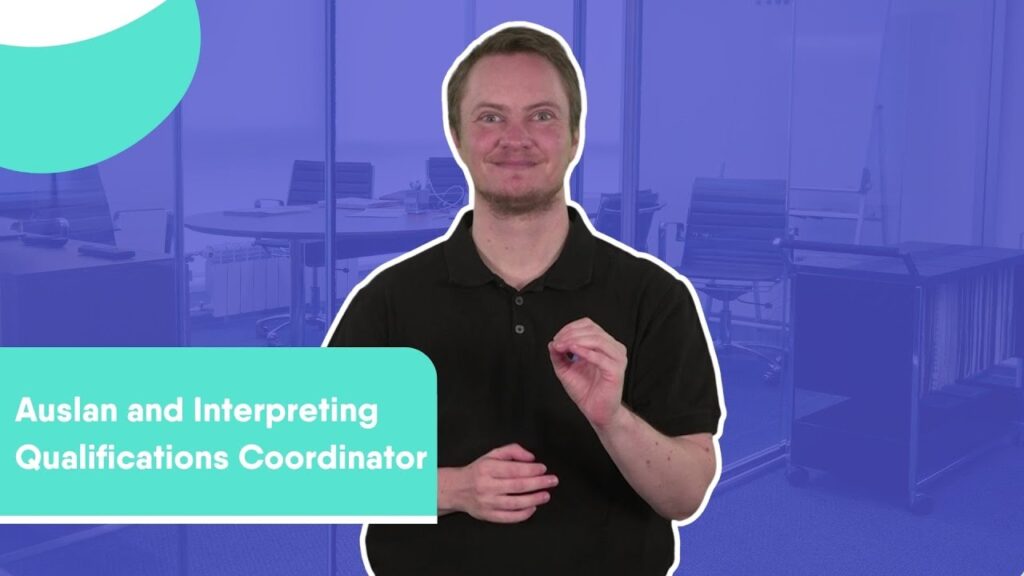
The sign for “qualify” in Auslan refers to meeting the necessary standards or requirements for a particular role, task, or situation. It is commonly used in contexts like education, job applications, and competitions. Understanding this sign can help facilitate clear communication about qualifications and competencies.
Table of Contents
How to Sign “Qualify”
- Start with your dominant hand in a flat handshape (like the letter “B”).
- Position your dominant hand in front of your chest, palm facing down.
- Now, move your hand forward slightly while bending your wrist, as if you are emphasizing the action or importance of qualifying.
- Maintain a serious yet approachable facial expression to convey the significance of the sign.
Common Mistakes
- Using the wrong hand shape; some learners may confuse it with a fist or a closed hand.
- Not maintaining the correct facial expression, which can lead to misunderstandings about the seriousness of the sign.
- Making the movement too abrupt or fast, which can make it less clear.
Related Signs
- 1 – The sign for the number one.
- 1 Dollar – Signifying a single dollar.
- 10 – The sign for the number ten.
- 100 – The sign for the number one hundred.
- 15 – The sign for the number fifteen.
Using “Qualify” in Everyday Conversations
The sign “Qualify” can be integrated into various everyday conversations, especially in contexts involving education, job applications, or competitions. Here are some example sentences using this sign:
- “I qualify for the scholarship.”
Situation: Discussing educational opportunities with a friend.
- “She didn’t qualify for the finals.”
Situation: Talking about a sports event and the performance of a team or individual.
- “Do you think I qualify for this job?”
Situation: Seeking advice from a mentor or colleague about job prospects.
Cultural Notes
The concept of “qualifying” holds significant cultural relevance in the Australian Deaf community, particularly in relation to educational and employment opportunities. Many Deaf individuals advocate for inclusivity and accessibility in these areas, emphasizing the importance of equal qualifications and opportunities. There can be some variation in the use of this sign depending on the region, with slight differences in handshape or facial expressions between northern and southern dialects of Auslan. Engaging with local Deaf events or gatherings can provide insight into these variations and enrich your understanding of the community’s culture.
Tips for Learning This Sign
To master the sign “Qualify,” consider the following practices:
- Mirror Practice: Use a mirror to practice your signing. This helps you ensure your hand movements and facial expressions are accurate.
- Watch for Non-Manual Features: Pay attention to the facial expressions that accompany the sign. These non-manual features can change the meaning or emphasis of your message.
- Use in Short Signed Sentences: Create short sentences incorporating “qualify” in various contexts, and practice them regularly. This will help reinforce your memory and understanding of the sign.
Consistent practice and engagement with the Deaf community will enhance your fluency and comfort in using Auslan effectively.
Frequently Asked Questions
How can I use “qualify” in a sentence?
You can use the sign in a sentence like: “I qualify for this job” by signing “I” followed by “qualify.”
Are there any regional variations for this sign?
While the sign is generally consistent, some regions may have slight variations in hand movement or facial expressions.
What are similar signs to “qualify”?
Signs like “certify” or “meet requirements” may share similar hand shapes or movements.
How does this compare to BSL?
In British Sign Language (BSL), the sign for “qualify” may differ in handshape and movement, reflecting the unique features of each sign language.
What tips do you have for teaching this sign?
Encourage learners to practice in pairs and to focus on the facial expressions that emphasize the meaning of the sign.
Practice This Sign
Try signing Qualify In Auslan with your camera and get AI coaching on your handshape, movement, and location.
Free · No signup required