
Qualification in Australian Sign Language (Auslan)

The sign for “qualification in Auslan” is used to express the credentials or certifications that an individual has achieved in Australian Sign Language (Auslan). This sign commonly comes up in educational settings, professional discussions, or when sharing one’s skills within the Deaf community.
Table of Contents
How to Sign “Qualification”
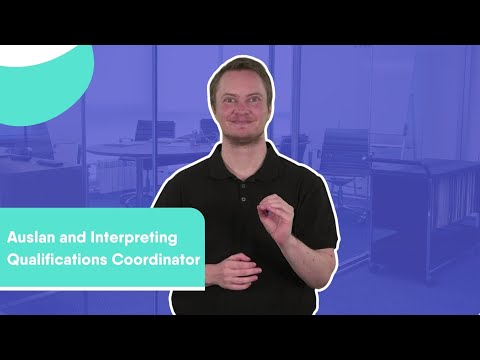
- Start with your dominant hand in a flat handshape (palm down) and place it in front of your chest.
- Move your hand slightly outward while keeping the palm facing down, as if you’re presenting something.
- As your hand moves, use a confident facial expression to convey the importance of the qualification.
- End the motion by returning your hand to your chest, maintaining eye contact to emphasize your qualification.
Common Mistakes
- Forgetting to use a flat handshape, which can lead to confusion with other signs.
- Not maintaining clear facial expressions, which are important in conveying the significance of the sign.
- Moving the hand too quickly, making the sign less clear to the viewer.
Related Signs
- 1 – The sign for the number one.
- 1 Dollar – A representation of a single dollar.
- 10 – The sign for the number ten.
- 100 – The sign for the number one hundred.
- 11 – The sign for the number eleven.
Using “Qualification” in Everyday Conversations
The sign for “Qualification” can be a valuable addition to your Auslan vocabulary, especially in conversations about education and professional experiences. Here are a few example sentences that illustrate how to use this sign in context:
- “I have my qualification in teaching.” (ME TEACH QUALIFICATION)
- “She is studying to get her qualification in nursing.” (SHE NURSE STUDY QUALIFICATION)
- “What qualification do you need for that job?” (YOU JOB WHAT QUALIFICATION NEED?)
You might naturally use the sign “Qualification” in discussions about career paths, education, or when sharing personal experiences related to training or certifications. It helps to provide clarity about someone’s background and expertise.
Cultural Notes
In the Australian Deaf community, the concept of qualification extends beyond formal educational credentials; it also encompasses lived experiences and skills developed through various community activities. The term is often used when discussing vocational training, mentoring, and the importance of practical experience in addition to academic achievements.
There may be some regional variations in how “Qualification” is signed, particularly between northern and southern dialects. While the core sign remains consistent, the nuances in speed, facial expressions, and body language can vary. Engaging with local Deaf communities can enhance your understanding of these differences and provide insights into the contextual use of the sign.
Tips for Learning This Sign
Practicing the sign for “Qualification” can be both fun and rewarding. Here are some effective strategies to help you master it:
- Mirror Practice: Use a mirror to observe your handshape and movement. This will help ensure your sign looks accurate and natural.
- Watch for Non-Manual Features: Pay attention to facial expressions and body language when signing “Qualification.” These non-manual features can add emphasis and clarity to the sign.
- Use in Short Signed Sentences: Incorporate “Qualification” into brief sentences daily. For example, practice stating your qualifications or asking about others’ qualifications during conversations.
By actively using these strategies, you can reinforce your understanding and retention of the sign in a meaningful way.
Frequently Asked Questions
How can I use this sign in a sentence?
You can say, “I have a qualification in Auslan,” using the sign to emphasize your credentials.
Are there regional variations of this sign?
While the sign is generally consistent, some regions may have slight variations in movement or facial expressions. Observing local signers can help.
Are there similar signs for different qualifications?
Yes, signs for other qualifications may differ slightly in handshape or movement. It’s important to learn each sign’s specific nuances.
How does this sign compare to BSL?
British Sign Language (BSL) has different signs for qualifications, reflecting the unique structure and vocabulary of BSL compared to Auslan.
What tips do you have for teaching this sign?
Encourage students to practice in pairs, focusing on clear handshapes and confident facial expressions to convey meaning effectively.
Practice This Sign
Try signing Qualification In Auslan with your camera and get AI coaching on your handshape, movement, and location.
Free · No signup required