
Occupier in Australian Sign Language (Auslan)
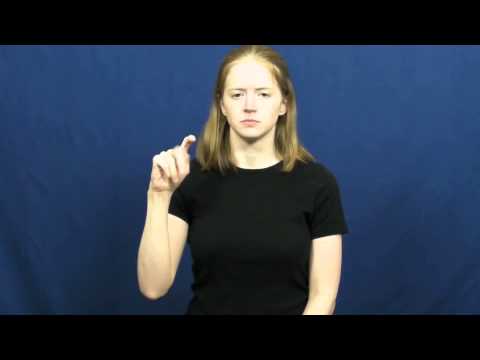
The sign “occupier” in Auslan refers to someone who resides in or occupies a space, often used in discussions about housing, property, or living situations. It’s a practical term that can come in handy in various contexts, especially when talking about tenants and landlords.
Table of Contents
How to Sign “Occupier”
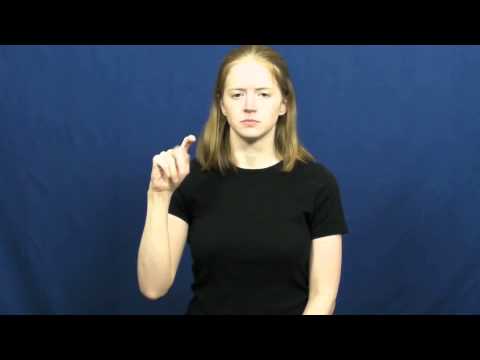
- Start with your dominant hand in a flat “B” shape (palm down).
- Position your hand at chest level, slightly to the side, as if indicating space.
- Move your hand forward in a gentle arc, maintaining the “B” shape, to signify the act of occupying.
- Use facial expressions that convey a sense of presence or settling in, such as a slight smile or nodding your head.
Common Mistakes
- Forgetting to maintain the “B” handshape throughout the sign.
- Using too much force in the hand movement, making it look aggressive.
- Neglecting facial expressions, which are crucial for conveying the right meaning.
Related Signs
- 1 – Representing the number one.
- 1 Dollar – Signifying one dollar in transactions.
- 10 – Indicating the number ten.
- 100 – Representing the number one hundred.
- 11 – Signifying the number eleven.
Using “Occupier” in Everyday Conversations
The sign “Occupier” can be effectively incorporated into various everyday conversations, especially when discussing living arrangements or property matters. Here are a few example sentences showcasing how to use this sign naturally:
- “The occupier of this house is my friend.” – This sentence might come up during a casual chat about where friends live.
- “Who is the occupier of the apartment you are renting?” – This could be used in a conversation about rental properties or real estate.
- “The occupier needs to pay the water bill this month.” – This might be relevant in discussions about household responsibilities or bills.
Cultural Notes
In the Australian Deaf community, the term “Occupier” holds significance beyond its literal meaning. It reflects various aspects of living arrangements and community dynamics. The understanding of who occupies a space can indicate social relationships, support networks, and cultural ties within the Deaf community.
Dialect variations can also be observed, particularly between northern and southern regions of Australia. While the sign itself remains consistent, the context in which it is used may vary. For instance, in northern areas, discussions about community housing might be more prevalent, while southern regions might focus on individual living situations. This reflects the diverse experiences and priorities of Deaf individuals across the country.
Tips for Learning This Sign
To effectively learn and remember the sign for “Occupier,” consider the following strategies:
- Mirror Practice: Use a mirror to observe your own signing. This helps ensure that your hand shapes and movements are accurate.
- Watch for Non-Manual Features: Pay attention to facial expressions and body language that accompany the sign. This adds depth and meaning to your signing.
- Use in Short Sentences: Practice incorporating “Occupier” in simple signed sentences. For example, try signing “My occupier is helpful” during your practice sessions.
Regular practice with these tips will help reinforce your understanding and use of the sign in everyday contexts.
Frequently Asked Questions
How can I use “occupier” in a sentence?
You could say, “The occupier of this apartment has two pets,” which would be signed as “OCCUPIER APARTMENT TWO PETS.”
Are there regional variations for this sign?
Yes, some areas may have slight variations in handshape or movement based on local dialects of Auslan.
Are there signs similar to “occupier”?
Yes, signs like “tenant” and “resident” may have similar movements but differ in handshape or facial expression.
How does this sign compare to BSL?
British Sign Language (BSL) has its own sign for “occupier,” which may look different. It’s essential to learn each sign language‘s unique vocabulary.
What tips can help me teach this sign effectively?
Encourage students to practice in pairs, focusing on fluidity and facial expressions. Watching native signers can also be helpful.
Practice This Sign
Try signing Occupier In Auslan with your camera and get AI coaching on your handshape, movement, and location.
Free · No signup required