
Occupied in Australian Sign Language (Auslan)

The sign for “occupied” in Auslan conveys that a space or item is currently in use or not available. It’s commonly used in everyday conversations, such as indicating that a room, restroom, or seat is taken. This sign is helpful in both casual and formal settings to communicate availability.
Table of Contents
How to Sign “Occupied”
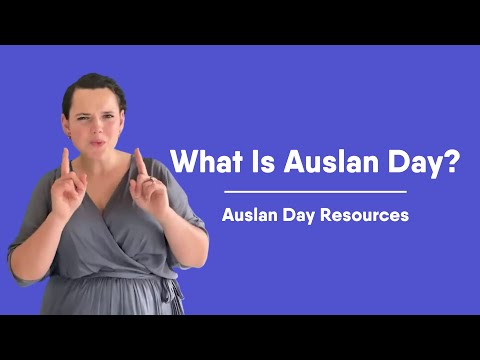
- Start with your dominant hand in a flat handshape (palm facing down).
- Position your hand slightly above waist level in front of your body.
- Move your hand horizontally to the side while maintaining the flat handshape.
- As you move your hand, slightly tilt your head to the side and raise your eyebrows to enhance the meaning.
- Finish the motion at a comfortable distance from your body, indicating the space is occupied.
Common Mistakes
- Forgetting to tilt the head or raise eyebrows, which can make the sign less expressive.
- Using a fist instead of a flat hand, which changes the meaning of the sign.
- Not moving the hand, which can lead to confusion about whether the space is actually occupied.
Related Signs
- 1 – Sign for the number one.
- 1 Dollar – Sign indicating one dollar.
- 10 – Sign for the number ten.
- 100 – Sign for the number one hundred.
- 11 – Sign for the number eleven.
Using “Occupied” in Everyday Conversations
The sign for “Occupied” is commonly used in various everyday situations. Here are a few example sentences that demonstrate its use:
- Bathroom: “Toilet occupied.” (sign “Toilet” + sign “Occupied”)
- Meeting Room: “Room occupied.” (sign “Room” + sign “Occupied”)
- Seat: “Seat occupied.” (sign “Seat” + sign “Occupied”)
These situations occur frequently in daily life, especially in public spaces where understanding whether a space is available is important for effective communication.
Cultural Notes
In the Australian Deaf community, the use of the sign “Occupied” reflects an understanding of shared spaces and the need for clear communication. It plays a role in social etiquette, allowing Deaf individuals to quickly convey information about availability without disrupting conversations. In Australia, regional variations may exist, with some Northern dialects using slightly different signs or facial expressions to indicate “Occupied.” These variations highlight the rich diversity within Auslan and the importance of being aware of local signing habits.
Tips for Learning This Sign
To effectively learn and remember the sign for “Occupied,” consider the following tips:
- Mirror Practice: Use a mirror to practice your signing. This allows you to see your hand movements and facial expressions, ensuring they align with the sign’s meaning.
- Focus on Non-Manual Features: Pay attention to the facial expressions that accompany the sign. These features can convey additional meaning and context, enhancing your communication.
- Use in Context: Incorporate the sign into short sentences or phrases during your practice. For instance, practice saying “Toilet occupied” while signing. This reinforces its meaning and helps you remember it better.
Consistent practice in real-life scenarios will help solidify your understanding and use of the sign “Occupied.”
Frequently Asked Questions
How can I use “occupied” in a sentence?
You can say, “The restroom is occupied” by signing “restroom” followed by “occupied.” This clearly communicates that the restroom is currently in use.
Are there regional variations for this sign?
What signs are similar to “occupied”?
Signs like “busy” or “full” may convey similar meanings, but “occupied” specifically indicates that a space is taken.
How does this sign compare to BSL?
In British Sign Language (BSL), the sign for “occupied” is different. It emphasizes the context, so it’s best to learn the specific signs for each language.
What are some teaching tips for this sign?
Encourage learners to practice with a partner and to use facial expressions to convey the sign’s meaning. Watching native users can also help.
Can I use this sign in formal settings?
Yes, “occupied” is appropriate in both casual and formal settings, as it clearly communicates important information without confusion.
Practice This Sign
Try signing Occupied In Auslan with your camera and get AI coaching on your handshape, movement, and location.
Free · No signup required